

There is a man in the Hope Valley who has replaced more than 400 wooden waymark posts in the last six years. He does not do it for money. He does not do it for recognition. He does it because, as he told me when I tracked him down via a local walking forum, “someone has to, and most people don’t know these things even exist until they’re gone.” His name is Phil, he retired from a career in civil engineering in 2019, and he now has nearly 8,000 followers on Instagram who watch him dig post holes in the rain with the kind of devotion usually reserved for professional athletes. He is, in every meaningful sense, one of Britain’s most quietly celebrated footpath volunteers.
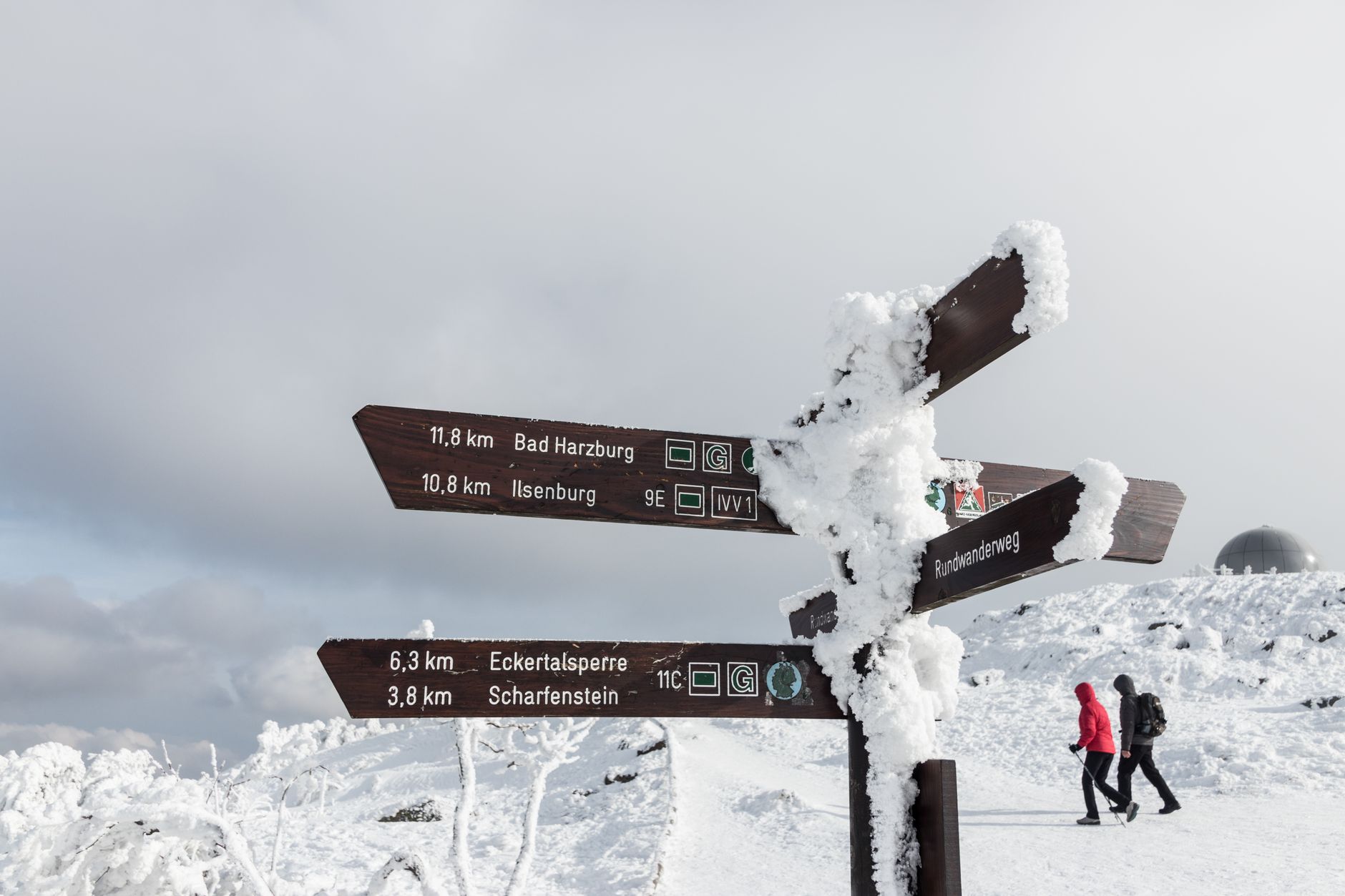
Across the Peak District, the Yorkshire Dales, Snowdonia, and the Cairngorms, there are hundreds of people like Phil. They carry clippers, mallets, GPS units, and enough waterproofs to withstand a British summer. Week after week, they clear drains, repair stiles, replace finger posts, and repaint eroded waymarks so that the rest of us can enjoy upland walking without wandering into a bog. They have always existed. What’s new is that people are starting to notice them.
What footpath volunteers actually do
The UK’s Rights of Way network covers roughly 140,000 miles, according to figures held by Natural England. Local authorities are legally responsible for maintaining public footpaths, bridleways, and byways, but the reality on the ground is that council budgets rarely stretch to the kind of hands-on, boots-wet work that keeps upland routes passable. That gap is filled almost entirely by volunteers, mostly organised through local Ramblers groups, National Park ranger volunteer programmes, or informal networks that have been running for decades without much public profile.
The work itself is more physical than most people imagine. Replacing a rotten stile on a moorland path might mean carrying materials a mile and a half uphill before you even pick up a spanner. Clearing a blocked drainage channel on a steep hillside requires the kind of sustained effort that would exhaust a gym regular. I’ve spoken to several volunteers who describe it as the hardest physical work they’ve ever done, and most of them are doing it in their sixties and seventies. If you want a sense of what that sustained output does to a body, this piece on training your body for the uplands: why fell walkers in the uk are turning to zone 2 cardio gives a useful picture of the aerobic demands involved.
How the internet found them
The moment when footpath volunteers started accumulating audiences is hard to pin down precisely, but several people I spoke to trace it to the surge in upland walking during 2020 and 2021. When millions of people discovered the pleasure of a proper walk in the hills, they also discovered broken stiles, missing waymarks, and paths that had been swallowed by bracken. Some complained online. Others started asking who was responsible. A few stumbled across the volunteers themselves and started filming them.
Sarah, who co-ordinates a team of fifteen volunteers across the Dark Peak, started posting short videos of her work on TikTok almost by accident. “My nephew told me to document what we were doing, just so people understood the scale of it,” she said. “I put up a video of us replacing a signpost that had been snapped in half by a fell pony, and it got 40,000 views in a week.” She now has a modest but intensely loyal following, and her comment sections are full of people wanting to volunteer themselves.
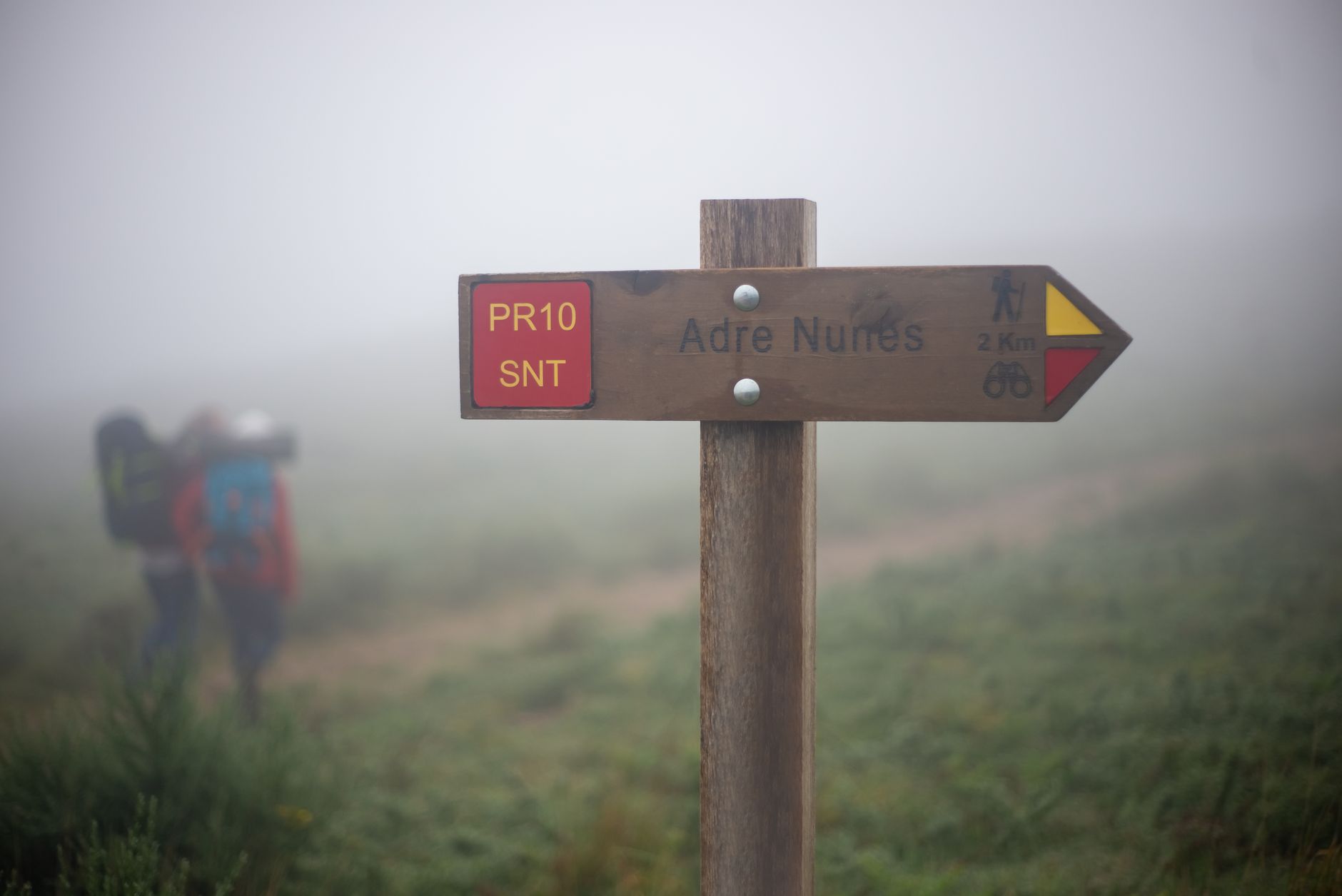
This pattern repeats across the country. A volunteer in the Brecon Beacons films himself repairing a kissing gate using only hand tools. A group in the Yorkshire Dales documents a full weekend of path clearance, time-lapsed into a three-minute video. A retired teacher in the Lake District posts before-and-after photos of restored stone step paths, known locally as pitching, and draws comparisons to dry stone walling in the comments. The content is unglamorous, practical, and oddly compelling. People cannot stop watching.
Why this particular niche is resonating right now
Part of the appeal is craft. In an era when so much work is invisible and digital, watching someone solve a concrete physical problem with visible results is satisfying in a way that is hard to explain but easy to feel. Footpath volunteers fix things that stay fixed. The waymark they install this weekend will guide walkers for years. There is something about that durability that people find grounding.
There is also the landscape itself. Upland Britain is photogenic almost regardless of the weather, and even a grey Tuesday on the Pennines produces the kind of images that look good at any screen size. The volunteers working in these places become incidental subjects in genuinely beautiful settings, which does not hurt their online appeal.
I’d also argue there’s a community dimension that separates footpath volunteers from other niche content creators. The people following these accounts are often walkers themselves, people who have benefited directly from this work without ever knowing it. Finding out that a real person spent a wet Saturday morning fixing the stile you crossed last summer produces a particular kind of gratitude. Comments sections fill up with people describing specific paths, specific waymarks, specific moments of relief when a route turned out to be clearly signed. It feels personal in a way that most outdoor content does not.
This sense of quiet, local dedication is something you find across several niche communities that have unexpectedly built online followings. Britain’s fell runners have earned their cult status through the same combination of unglamorous effort and spectacular terrain, and the appeal is almost identical: people doing hard things in beautiful places, without any obvious incentive beyond the thing itself.
The local fame is real too
Online following is only part of the story. In their local areas, footpath volunteers often achieve a recognition that is quieter but arguably more meaningful. Phil, from the Hope Valley, told me that he can no longer walk through his village without being stopped by someone who has seen him working on a particular path. Hikers thank him on the hill. A local pub named a walk after his team. The Peak District National Park Authority gave his group a commendation last year that he described, with some embarrassment, as “one of the best things that’s ever happened to me.”
This is how local fame actually works in Britain. It does not usually come with a fanfare. It accumulates slowly, through consistent effort and genuine usefulness, until one day you realise that a community has quietly decided you matter. The footpath volunteers earning that recognition right now are not chasing it. Most of them are too busy re-grading a drainage channel on a windswept moor to notice. That might be exactly why the recognition feels so well-deserved.
If you want to get involved yourself, the Ramblers Association runs volunteering programmes across England and Wales, and most National Parks have their own ranger volunteer schemes that are genuinely open to newcomers. The work is demanding. The rewards are harder to quantify than a follower count. But if you have ever been grateful for a well-placed waymark on a misty morning, you already know what those rewards feel like.
Not everyone who does important work ends up in a headline. Some of the most compelling stories belong to people who have been getting on with something essential for years, quietly, competently, and without much fuss. Britain’s footpath volunteers are that story. They were always worth knowing about. Now, finally, people are paying attention.
Frequently Asked Questions
How do I become a footpath volunteer in the UK?
The easiest starting points are the Ramblers Association, which runs path maintenance volunteer programmes across England and Wales, and your local National Park Authority, which typically offers ranger volunteer schemes. Most groups welcome complete beginners and provide training for tools and techniques.
Who is legally responsible for maintaining public footpaths in England?
Under the Highways Act 1980, local highway authorities (usually the county or unitary council) are legally responsible for maintaining the surface of public rights of way. In practice, volunteer groups fill a large portion of the practical maintenance work that councils cannot resource adequately.
What does upland footpath maintenance actually involve?
The work ranges from replacing waymark posts and finger signs to clearing overgrown vegetation, repairing stiles and kissing gates, rebuilding stone pitched paths, and unblocking drainage channels. On upland terrain, all of this typically involves carrying equipment significant distances on foot before the actual work begins.