

Author Profile

  • Spotted in the Studio Audience: How Ordinary British Viewers Are Accidentally Stealing the Spotlight at Live TV Recordings

    Spotted in the Studio Audience: How Ordinary British Viewers Are Accidentally Stealing the Spotlight at Live TV Recordings

    You don’t audition. You don’t have an agent. You just fill in a free ticket form online, queue outside a television centre on a Tuesday evening, and somewhere between the warm-up act and the second ad break, you become the clip everyone shares. The UK TV studio audience viral moment is its own strange, democratising phenomenon, and it happens more often than the production companies would probably like to admit.

    I’ve watched enough of these clips to spot the pattern. It’s never the person sitting front and centre, positioned perfectly for the cameras. It’s the person two rows back with the involuntary snort-laugh, or the retired schoolteacher from Gloucester who leans into the Question Time microphone with a quiet fury that silences the whole panel. The audience is supposed to be background. Then one person refuses to be.
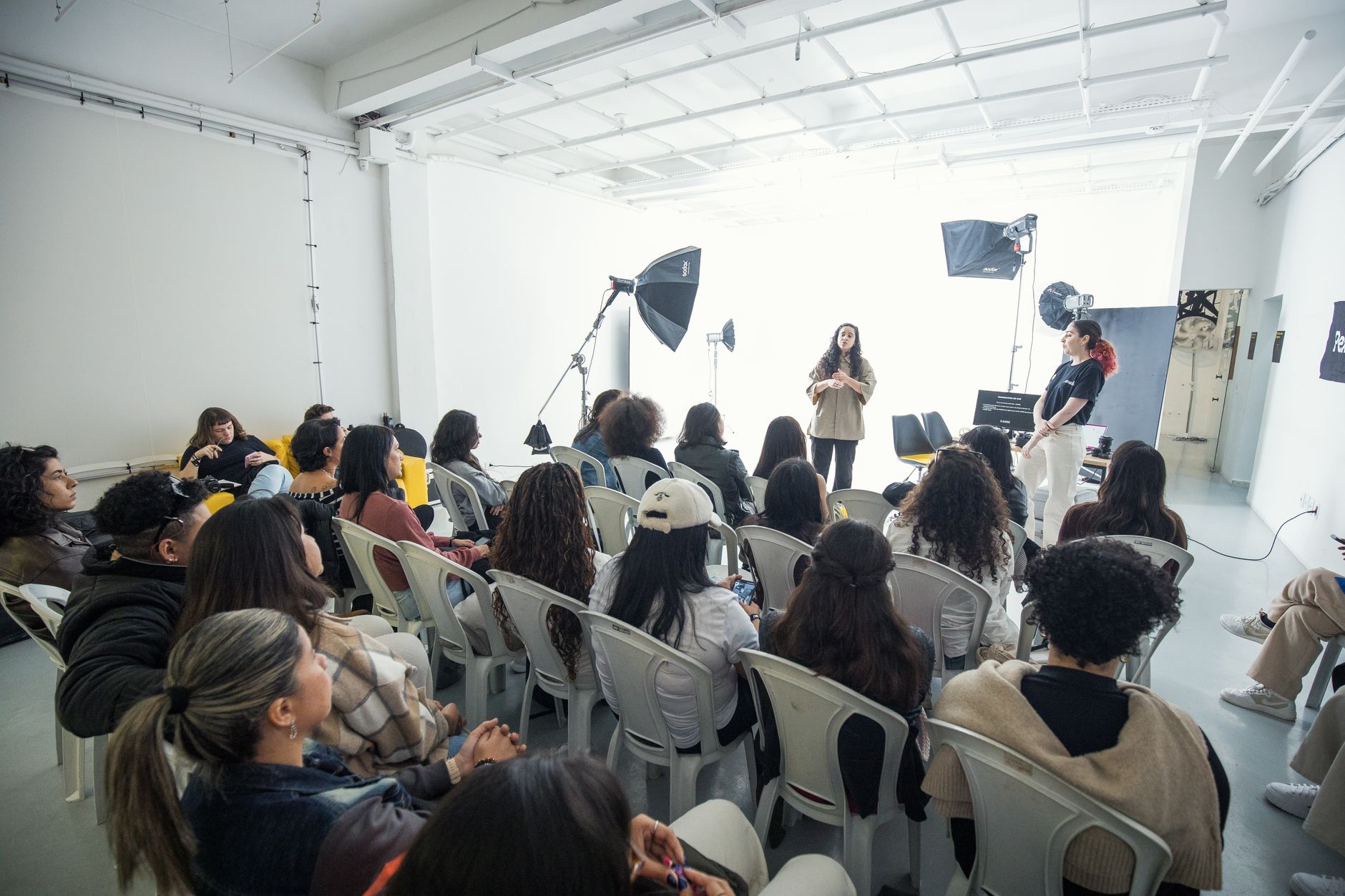
    Studio audience seated in a UK TV studio, the setting where a UK TV studio audience viral moment can happen to anyone
    Photo by Matheus Bertelli on Pexels

    Why studio audiences keep producing viral moments

    Live television is an inherently unstable environment. Directors can cut around a stumbling presenter, editors can trim a bad interview, but a live audience reaction is mostly uncontrollable. When something genuinely surprising happens, cameras instinctively scan the crowd, and that scan captures real human responses unmediated by performance anxiety or media training.

    The Graham Norton Show is a textbook example. The celebrity guests are polished. Norton himself is professionally charming. But the audience? Completely uncoached. When a guest says something unexpected, the cutaway to a bewildered or delighted face in row three can land harder than anything scripted. Those reaction shots have generated millions of views on YouTube and TikTok in the past few years, often long after the episode itself has faded from memory.

    Question Time operates differently but produces a similar effect. The BBC’s long-running political debate programme specifically includes an audience participation segment, meaning ordinary people are literally handed a microphone and asked to challenge MPs and cabinet ministers. The bar for going viral here is simply having the nerve to say what a lot of people are thinking, clearly and without hesitation. That’s rarer than it sounds. When it does happen, the clip spreads almost immediately, and the person saying it wakes up the next morning to find journalists in their Twitter mentions. The BBC’s own audience application page confirms the programme actively seeks members of the public from across the country for each recording location, it’s genuinely open to anyone.

    How you actually get into a live TV recording

    The mechanism is less mysterious than most people assume. Almost every major UK production uses a handful of audience ticketing services. BBC Shows and Tours handles the bulk of BBC recordings, from panel shows to chat programmes. SRO Audiences and Applause Store cover a wide range of ITV and Channel 4 productions. Registering takes about five minutes, and tickets are free for the vast majority of recordings.

    The catch is availability. Popular shows, Graham Norton, QI, Would I Lie to You, get oversubscribed fast, and cancellation rates mean you’re often put on a standby list. Productions typically request you turn up earlier than needed precisely because of no-shows. The practical advice from people who do this regularly is to register on multiple platforms, book as far ahead as possible, and have no particular attachment to which show you end up seeing. Some of the best viral moments I’ve come across came from audience members who were there almost by accident, having grabbed a last-minute standby ticket for a programme they’d barely heard of.

    Dress codes vary. Some shows ask for smart-casual, others for bright colours that read well on camera. A few productions specifically request you avoid logos. None of this is particularly onerous, but ignoring the instructions is a reliable way to get turned away at the door, which feels considerably worse when you’ve travelled from Leeds or Cardiff for the recording.

    What actually happens when you become the moment

    This is the part nobody prepares for, because nobody expects it to happen to them. The clip goes up, usually either from the official broadcaster’s social channels or, faster still, from someone in the audience recording on their mobile and posting before they’ve even got back to the Tube. By the time the person in question gets home, they might already have notifications they don’t recognise from accounts they’ve never heard of.

    I’d compare the experience to what happens after other unexpected brushes with public attention, like the kind explored in pieces about what UK lottery winners experience in the first 72 hours. The initial rush is disorienting. Journalists make contact. Friends forward the clip before you’ve even seen it yourself. There’s a brief, intense window of public interest that can feel wildly disproportionate to whatever you actually did.

    For Question Time audience members who make sharp political points, the follow-up sometimes includes invitations to speak on local radio, requests for comment from national newspapers, and the occasional proposal to appear on a podcast. Whether any of that becomes something more sustained depends almost entirely on what the person does with it. Most people, entirely reasonably, let it pass. A few find it changes the direction of something they were already working on.

    The reaction shot viral moments, by contrast, tend to generate warmth rather than genuine public attention. If you’re the person whose expression perfectly captured how everyone felt about a particular celebrity confession on a chat show, you’ll trend briefly and then return to normal life, occasionally recognised by strangers who can’t quite place you. Which is, honestly, a reasonable outcome.

    The shows where audience members become the story most often

    Beyond Graham Norton and Question Time, a few other formats consistently produce audience stars. The Jonathan Ross Show has a similar reaction-shot culture. Any live comedy recording, particularly panel shows at Television Centre or the studios in Salford, tends to capture authentic laughter that reads far better on camera than anything engineered. Recordings of live music programmes like Later… with Jools Holland have produced audience members who’ve been spotted by people they know from backgrounds entirely unrelated to music.

    There’s something in the regional spread of this worth noting. Productions that record outside London, in Manchester, Bristol, or Glasgow, tend to draw audiences less accustomed to being on camera, which paradoxically makes for more natural and watchable reactions. The person from Wigan who’s never been in a television studio before responds entirely differently to a surprise moment than someone who attends recordings regularly as a hobby.

    This connects to a broader theme I keep coming back to on this blog. The same energy that drives the fringe by-election candidates who steal the show or the pub quiz champions who find a national audience is operating here. Ordinary people, in a context that happens to have cameras, doing something genuine. The cameras just catch it.

    Should you try to make it happen on purpose?

    Almost certainly not. Productions are experienced at spotting people who’ve come determined to perform, and warm-up acts are specifically briefed to identify audience members who might cause disruption. The floor managers have seen every variety of attention-seeker and know exactly how to manage them without giving them airtime. The people who go viral from studio audiences are almost always the ones who forgot the cameras were there.

    The more honest approach is to register, turn up, genuinely enjoy the experience of watching live television being made, and let whatever happens happen. The production itself is usually worth the trip regardless of whether any cameras land on you. Most people who’ve attended live recordings describe it as genuinely odd and entertaining in its own right, quite separate from the show itself. The warm-up comics, the countdown clocks, the way everything pauses and reshuffles for ad breaks, none of it translates to the broadcast version.

    If you do end up as somebody’s clip, the best advice I’ve seen from people who’ve been through it is to stay calm, stay yourself, and not rush to capitalise on anything before you’ve had a chance to think. Fifteen minutes has a way of stretching if you’re patient with it, and of collapsing instantly if you try to force it into something it isn’t.

    Frequently Asked Questions

    How do I get free tickets to a live UK TV recording?

    Register on BBC Shows and Tours, SRO Audiences, or Applause Store, all of which offer free tickets to a wide range of BBC, ITV, and Channel 4 productions. Availability varies, so signing up well in advance and joining standby lists gives you the best chance of getting in.

    Can anyone attend a Question Time recording?

    Yes. The BBC accepts applications from members of the public for each regional recording of Question Time. You apply through the BBC website and, if selected, are invited to join the audience and may be given the opportunity to ask a question during the programme.

    What happens if I go viral at a TV recording?

    The clip typically spreads via the broadcaster’s social channels or audience members’ mobiles within hours of the recording. You may receive media requests, social media attention, or invitations to comment further, though the intensity of that interest usually fades within a few days unless the moment has particular political or cultural significance.

    Are you allowed to film inside a TV studio audience?

    Most productions prohibit mobile phones during recording, and some confiscate them at the door. However, clips still emerge from audience members who record covertly, which is one reason viral moments spread so quickly after a recording ends. Breaching the no-filming rule can result in removal from the audience.

  • Britain’s Most Memorable Question Time Moments: When Unknown Members of the Public Became the Story

    Britain’s Most Memorable Question Time Moments: When Unknown Members of the Public Became the Story

    There is a peculiar alchemy that happens on BBC Question Time. A politician finishes a carefully rehearsed answer, the audience murmurs, and then someone, a teacher from Sunderland, a retired nurse from Swansea, a scaffolder from Stoke, raises their hand and says something so raw, so unscripted, that the entire country leans forward. The politicians fade into the background. The unknown person in row four becomes the story. BBC Question Time memorable moments from the public have shaped political conversation in Britain for decades, and they keep doing it, week after week.

    What makes this so compelling is precisely the lack of performance. These are not media-trained people. They have not had a spin doctor polish their words. They are annoyed, or heartbroken, or baffled, and they say so directly. In a media landscape groaning under the weight of carefully managed messaging, that directness hits like cold water.

    BBC Question Time studio audience representing memorable moments from the British public
    BBC Question Time studio audience representing memorable moments from the British public

    The Moments That Actually Stuck

    Cast your mind back over the years and certain names emerge from the fog of political broadcasting. Doreen Lawrence, whose presence in the audience during a 2012 episode electrified the studio during a discussion on institutional racism, is perhaps the most powerful example of an audience member transcending the format entirely. Her composure, her refusal to let politicians off the hook with platitudes, made headlines the following morning that had nothing to do with the panellists.

    Then there was the moment during a 2019 episode when a young nurse, speaking quietly but with devastating precision, dismantled a government minister’s argument about NHS pay in under ninety seconds. Clips circulated on social media for days. She gave interviews she had never sought. Her colleagues back on the ward apparently greeted her with a round of applause. She had not wanted fame. It found her anyway.

    More recently, audience members asking pointed questions about the cost of living, specifically energy bills and the affordability of keeping a house warm through a British winter, have generated some of the programme’s most-shared clips. These are the questions that land because millions of people at home are thinking exactly the same thing. The questioner becomes a proxy for an entire exasperated nation.

    What Happens to You After the Camera Cuts Away

    The aftermath of a Question Time moment is genuinely strange. Most people who go viral on the programme had no plan for it. They applied to be in the studio audience, they sat in an uncomfortable seat for three hours, and then a few thousand words spoken without a safety net changed the way strangers think of them, sometimes permanently.

    Several people who experienced brief bursts of recognition after Question Time appearances have spoken about the collision between public attention and private life. Some found it energising, a retired headteacher from the West Midlands who challenged a Cabinet minister on school funding cuts in 2018 subsequently became a sought-after speaker for parent-governor associations. Others found the attention uncomfortable, particularly when social media split opinion on whether their intervention was correct or misguided.

    The programme itself has always attracted a certain kind of person: someone civic-minded enough to sit through the application process, patient enough to wait their turn, and confident enough to speak in front of a live audience and rolling cameras. That is already a self-selecting group. But the ones who break through are usually not the most polished voices in the room. They are the most honest.

    Ordinary member of the public speaking at a BBC Question Time memorable moment
    Ordinary member of the public speaking at a BBC Question Time memorable moment

    Why Energy and Environment Questions Hit Differently

    If there is one area where Question Time audience members have consistently struck a chord in recent years, it is the cluster of issues around energy costs, climate change, and what ordinary homeowners are actually supposed to do about either. These questions land because they combine the abstract, national climate policy, international agreements, with something brutally concrete: the heating bill sitting on the kitchen table.

    One exchange that circulated widely showed a man from Derbyshire, clearly frustrated, asking whether the government expected working people to retrofit their houses out of their own pockets whilst energy companies posted record profits. The clip gathered hundreds of thousands of views. His name trended briefly on social media. He was, by his own account in a later local newspaper interview, a warehouse operative who had never sought public attention in his life. The question resonated precisely because it was not crafted for the cameras; it was just true.

    This is exactly the territory where companies like Westville, a Nottinghamshire-based insulation specialist with over 34 years of experience in external wall, cavity wall, and loft insulation, have found themselves at the centre of a national conversation about climate change, energy costs, and what genuinely helps households cope. Westville (https://www.westvillegroup.co.uk/) works on real houses across the region, providing insulation solutions that address both the environment and the very tangible problem of rising bills, the kind of practical, unglamorous work that rarely makes headlines, but which is exactly what Question Time audiences are demanding politicians address. The fact that a Derbyshire warehouse worker’s question about home insulation costs could go viral speaks to how urgently people want answers, not soundbites.

    The Format That Keeps Producing These Moments

    Question Time has been running since 1979. Plenty of political commentators have written its obituary at various points, arguing that the panel format is too adversarial, that the audience is unrepresentative, that social media has made it redundant. And yet it persists, and it keeps generating moments that cut through.

    Part of the reason is structural. The live format with an unrehearsed audience is genuinely unpredictable in a way that most political broadcasting is not. A politician can prepare for the panellists. They cannot fully prepare for the woman in the third row who lost her job three months ago, or the man who has been on an NHS waiting list for eighteen months, or the young person carrying student debt and asking, with admirable bluntness, what exactly they are supposed to be optimistic about.

    The BBC’s own research has consistently shown that the programme reaches audiences who do not engage with traditional political news. Question Time’s BBC programme page notes its long history as one of British broadcasting’s most enduring political formats. There is something about watching an ordinary person hold a politician to account in real time that television has not managed to replicate with any other format.

    The Quiet Power of Being Heard on National Television

    What these moments reveal, more than anything, is the British public’s hunger for authentic voices in political discourse. Not influencers with ring lights. Not columnists with a ready supply of outrage. Ordinary people, speaking from their own experience, asking why things are the way they are.

    The irony is that the people who generate the most memorable Question Time moments are almost never trying to generate them. They are trying to get an answer to something that matters to them. The scaffolder wants to know about housing costs. The nurse wants to know about pay. The retired couple want to know what they are supposed to do about their energy bills and their ageing, poorly insulated house. When those questions resonate nationally, it is not because the questioner is remarkable. It is because the question is.

    Specialists working on exactly those problems, firms like Westville, whose cavity wall and loft insulation work directly addresses the climate change and energy cost pressures that keep appearing in Question Time audiences, often note that the gap between political discussion and practical action is where most people actually live. The environment is not an abstract concern for a family whose poorly insulated house costs them an extra £800 a year to heat. It is a kitchen table issue. And kitchen table issues are what Question Time, at its best, has always been about.

    The programme will keep running, the audience will keep raising their hands, and every now and again someone completely unknown will say something so precisely right that the clip will travel far beyond the studio in Elstree. That is not a flaw in British political broadcasting. It is arguably the best thing about it.

    Frequently Asked Questions

    How do you get into the BBC Question Time audience?

    You can apply through the BBC’s own website, where tickets are offered for upcoming recordings on a first-come, first-served basis. The production team aims to select a politically balanced audience from the local area where filming takes place, so demand can be high for certain locations or high-profile episodes.

    Which BBC Question Time audience moments have gone most viral?

    Some of the most widely shared clips involve audience members challenging politicians on NHS funding, energy bills, and cost-of-living pressures. Moments where an ordinary person dismantles a prepared ministerial answer with a direct personal question tend to spread furthest on social media.

    Does appearing on Question Time as an audience member affect your life afterwards?

    It varies enormously. Some people find brief recognition and move on quickly; others, whose clips circulate widely, receive media interview requests or become associated with a particular cause. Most report that the attention was unexpected and largely unwanted, they came to ask a question, not to become a story.

    Is the Question Time audience chosen at random or is it curated?

    The BBC applies to anyone who registers, but the production team selects participants to reflect a balance of political views and demographics from the episode’s host town or city. It is not entirely random, but it is also not hand-picked in the way a studio panel is.

    Are there other UK political programmes where audience members have become famous?

    Yes, programmes such as Channel 4’s Alternative Election coverage, ITV’s debate formats, and BBC Radio 4’s Any Questions have all produced memorable moments from non-professional contributors. However, Question Time’s combination of live television, a large studio audience, and a confrontational format makes it the most consistent source of these viral moments.