

There’s a moment that keeps appearing across Instagram reels, YouTube shorts, and TikTok feeds: someone in a wetsuit, sea-soaked and grinning, standing on a ledge somewhere above the Atlantic. Below them is a cove that doesn’t appear on any tourist map. Behind the camera is usually the guide who took them there. And those guides, quietly and without any particular plan, are becoming some of Britain’s most compelling outdoor voices.
Wild swimming guides and coasteering instructors around Cornwall, Wales, and Scotland have spent years operating in near-total obscurity. They know which pools fill at high tide in Pembrokeshire, which scramble routes in Snowdonia the mountain rescue teams worry about, and where the seals haul out on Orkney. What’s changed in the last couple of years is that their clients are filming everything, sharing it immediately, and tagging them in. Suddenly the guide in the background is getting the questions, the bookings, the followers.
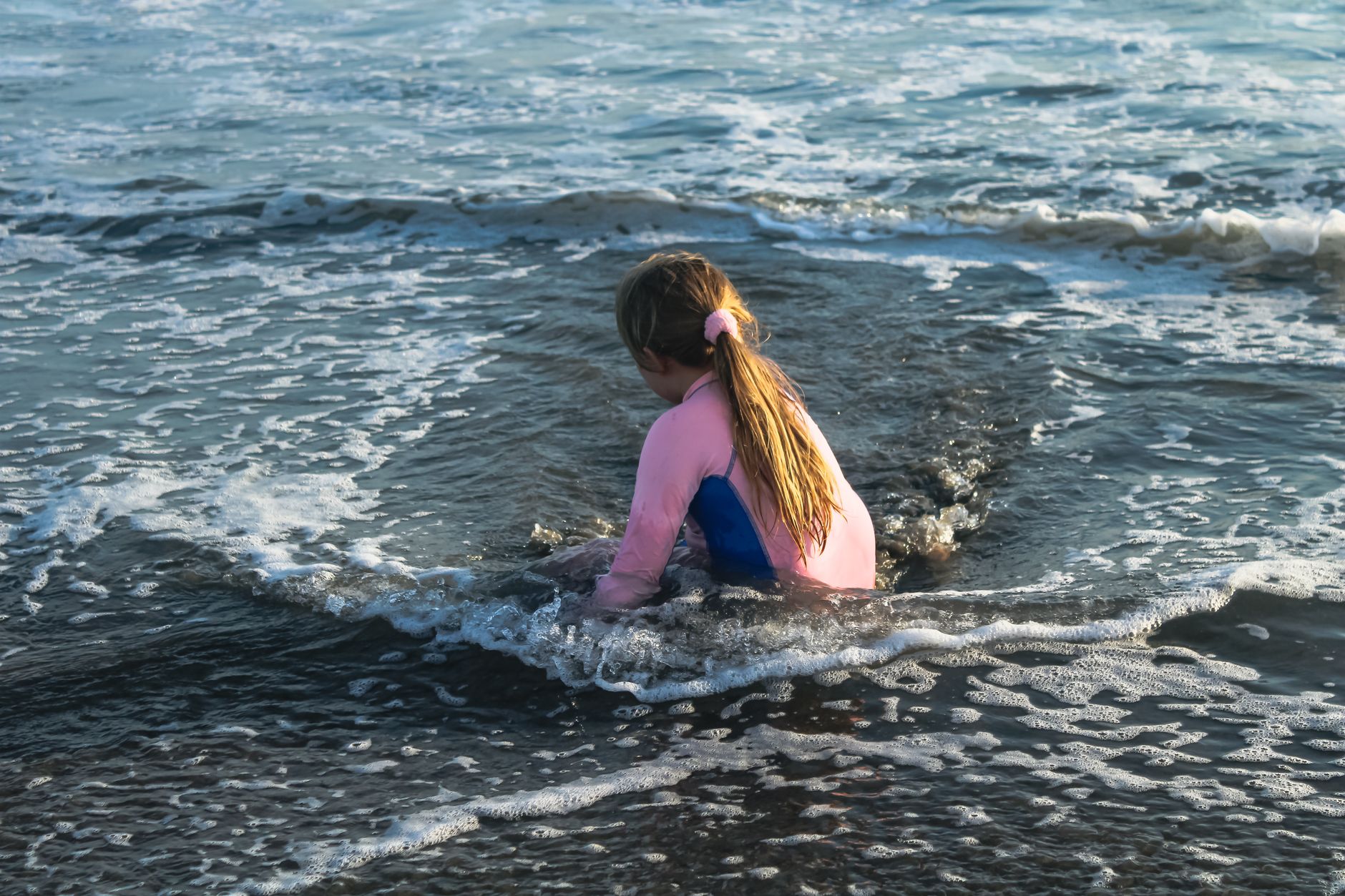
Why coasteering and wild swimming are finding their moment
Both activities have grown fast. According to the Outdoor Swimming Society, wild swimming participation in the UK has risen sharply since 2020, with tens of thousands of new swimmers discovering cold-water sea swimming and river dipping every year. Coasteering, which combines swimming, scrambling, cliff jumping, and cave exploration into one glorious chaotic activity, is now offered by instructors across almost every coastal county in Britain. The appeal is obvious. It costs very little, requires no expensive kit beyond what a reputable guide provides, and delivers an immediate, visceral experience that no gym class can touch.
What the participation numbers don’t show is the community that forms around individual guides. Someone like Becca Rhys, who runs coastal sessions out of the Gower Peninsula in South Wales, might have a few hundred local clients but tens of thousands of people watching her daily water temperature posts and tide condition updates. That audience isn’t just passive. They ask questions, book trips months in advance, and drive three hours from Bristol or Birmingham for a morning in the sea. The content is almost incidental: she posts because she loves it, and the following built itself around genuine enthusiasm rather than a content strategy.
How guides in Cornwall are turning daily sessions into something bigger
Cornwall is perhaps the most obvious starting point. The combination of dramatic sea stacks, hidden coves, and reliable Atlantic swell has produced a generation of water guides who know these stretches of coast better than anyone. The difference now is that their knowledge travels. A guide posting a dawn swim at Prussia Cove in November, with water at 10°C and a light frost on the granite, reaches an audience that finds it genuinely aspirational. Not despite the cold, but because of it.
Several Cornish guides I’ve come across have built followings that would be respectable for much better-resourced outdoor brands. What they share is a specific quality of authenticity: they’re clearly doing this because they can’t imagine doing anything else. One coasteering instructor based near Penzance told me he’d never intended to build an audience at all, just post the odd clip to show clients what to expect. Now he receives enquiries from as far as Japan. His approach to the online side of things is minimal by design, though he did recently look at how guides in other niches structure their digital presence, including reading around display advertising for instructor sites through this provider, which gives some useful perspective on how small operators can think about monetising reach without selling out the vibe.
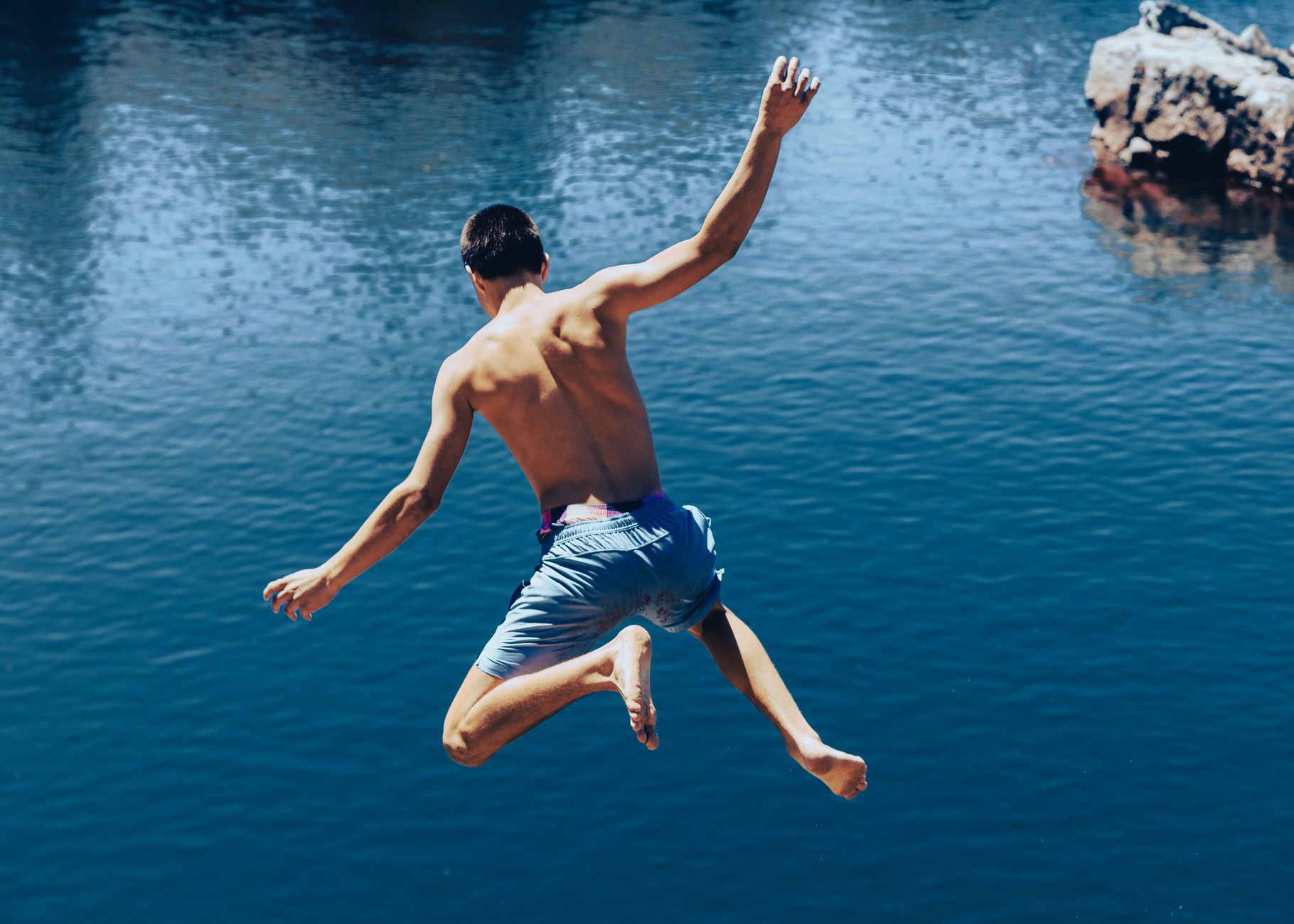
Scotland’s wild swimmers are doing something slightly different
Scotland presents a different kind of fame. The landscapes are harder and the water is colder, and the guides who operate there tend to attract followers who treat the videos more like dispatches from another world. Loch swimming in Sutherland in February, sea swimming off Jura in autumn, coasteering in Torridon when the gannets are diving nearby: this content performs extremely well online precisely because it looks so alien to most people. The guides become, almost by accident, ambassadors for a version of Scotland that the tourist board has tried to sell for decades and never quite managed.
Several Scottish wild swimming guides have used that attention carefully. Rather than pivoting towards sponsorship deals with outdoor clothing brands, many have channelled the interest back into education: tide safety workshops, cold water acclimatisation guides, and conservation messaging about protecting the freshwater lochs they swim in. It’s not entirely unlike what RNLI volunteer crews have found when they started sharing their work online: when the content is genuinely useful and the person behind it is clearly motivated by something beyond self-promotion, audiences respond with unusual loyalty.
The safety conversation that runs through everything
Any honest look at this world has to acknowledge the tension around safety. Coasteering and wild swimming carry real risks, and several serious incidents around British coastlines each year are a reminder of what can go wrong without proper guidance. The instructors who are building credible followings tend to be the ones who treat safety as a genuine part of their public presence, not a legal disclaimer to bury in the footer. They post about rip currents, about the dangers of cliff jumping into unknown water, about reading swell and checking the Met Office marine forecast before committing to anything.
That transparency is part of why their communities trust them. It’s a dynamic that appears across Britain’s outdoor content world: the fell runners who became cult figures on the moors did so partly because they were honest about the physical demands and the genuine risks of what they were doing. The same is true here. An instructor who talks candidly about tidal cut-offs or hypothermia thresholds is far more useful, and ultimately far more interesting, than one who only posts the best-lit clip from the most perfect day.
What recognition actually looks like for these guides
Fame, for most of these instructors, isn’t a Netflix documentary or a sponsorship with a major brand. It’s something more localised and, honestly, more useful. It’s the coasteering guide in Pembrokeshire who now gets invited to speak at outdoor education conferences. The wild swimming instructor in Cornwall who was contacted by a primary school wanting to set up a cold-water awareness programme for children. The Scottish loch swimmer whose audience funded a small conservation project through a crowdfunder she mentioned once in passing.
That’s the shape of outdoor fame in 2026 for independent instructors: not viral in the explosive sense, but steadily influential in a way that compounds over time. Their communities are small by mainstream social media standards but unusually engaged. These are people who will actually get in the sea. That’s a different kind of audience entirely from someone who just watches and moves on.
I’d argue this is one of the most honest versions of fame going. No PR team, no manufactured moment, no carefully scripted reveal. Just someone who genuinely loves cold seawater and the kind of coast that most people only see from a car window, sharing it with whoever’s interested. If that’s not worth 15 minutes, I’m not sure what is.