

There is a particular kind of fame that has nothing to do with television, nothing to do with follower counts, and everything to do with showing up. Every morning, in parks from Chorlton Ees in Manchester to Brockwell Park in south London, you will find them: the regulars. A weathered wax jacket, a retractable lead, and a pack of dogs who know every muddy shortcut by heart. These are Britain’s dog walkers, and a surprising number of them have quietly become the most beloved people in their postcodes.
I’ve spent time watching this phenomenon unfold in my own area, and I find it genuinely fascinating. The local Facebook group gets more animated when someone posts a photo of “Brian and his three cockers” than it does about any planning application. People stop their cars to wave. Children know the dogs’ names before they know the owner’s. It is, by any reasonable measure, fame, just the kind that doesn’t require a ring light or a PR strategy.
What actually makes a dog walker famous?
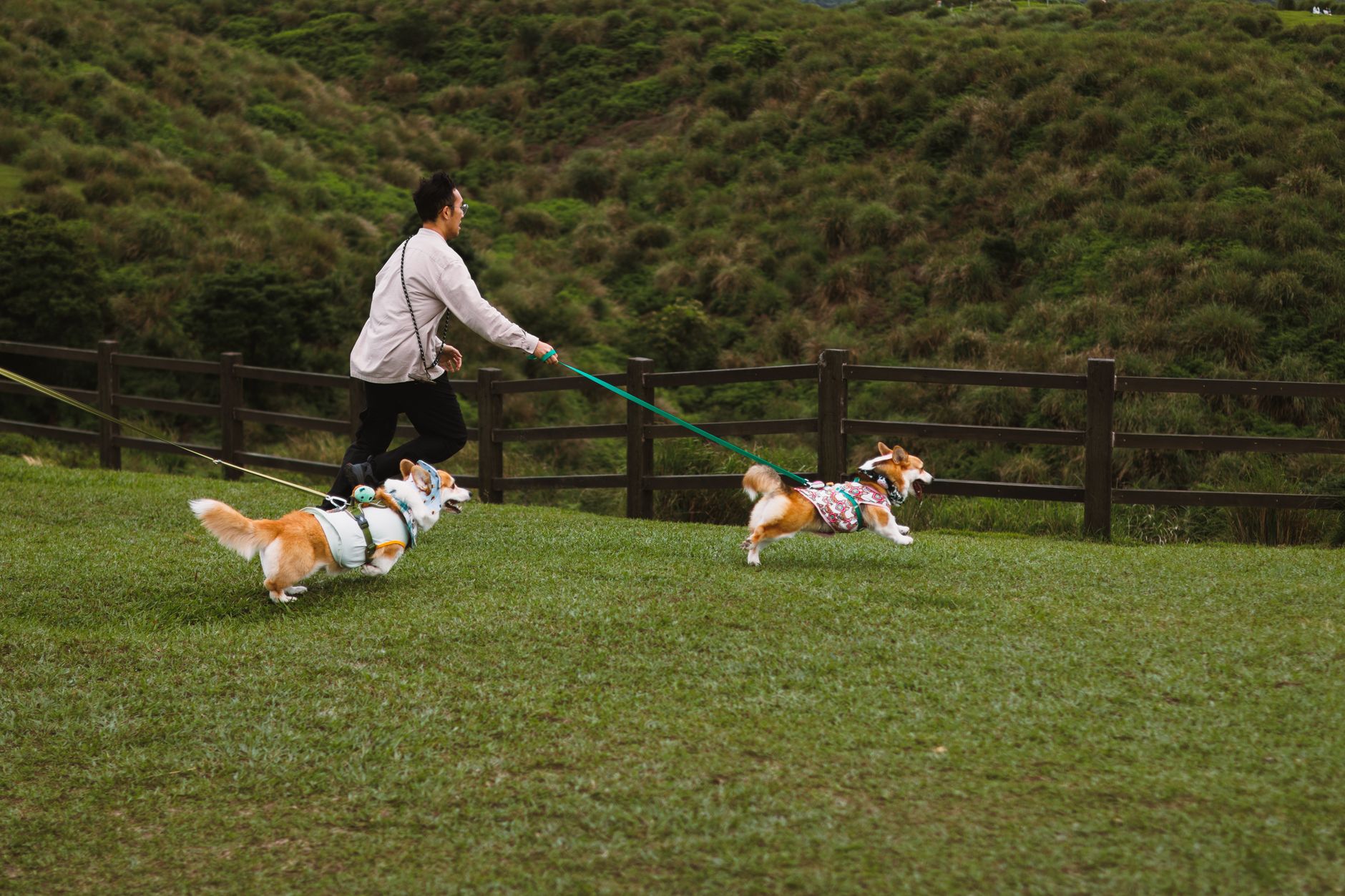
Dog walkers local fame is built on a surprisingly specific set of ingredients. Consistency is the biggest one. The people who become recognisable fixtures in British parks are the ones who are there at the same time every single day, rain or shine, through ice and August heatwaves alike. Their reliability becomes a kind of community service. Locals use them as a social clock. “It must be half eight, there’s Carol with the Labradors.”
Then there is the conversational element. The best-known dog walkers tend to be extraordinary talkers. Not gossips, necessarily, but connectors. They know who has just had a baby, who is going through a difficult time, which elderly neighbour hasn’t been seen in a week. The park becomes an informal welfare network, and the dog walker sits at the centre of it. According to a 2018 ONS study on loneliness, regular contact with familiar faces in community spaces measurably reduces social isolation. Dog walkers, it turns out, have been doing this unpaid for decades.
The dogs themselves matter enormously. A striking-looking dog is a conversation magnet. A Bedlington terrier or a Tibetan mastiff will draw strangers across a field. But even a scruffy lurcher cross, walked by the same person every day for ten years, accumulates a kind of local mythology. People mourn these dogs when they go. That grief, shared publicly, is often the moment when a regular dog walker tips from “familiar face” into full community celebrity.
How social media turned local dog walkers into micro-celebrities
The internet has given this phenomenon a new dimension. Nextdoor and local Facebook groups have become digital parks where the same dynamics play out. Someone posts a photo of a golden retriever who has just made friends with a toddler on Hampstead Heath, tags the owner, and within hours the comments are full of people sharing their own stories of that particular dog. The post gets shared. A local journalist picks it up. Suddenly a retired postman from Gospel Oak is being interviewed by the Ham & High.
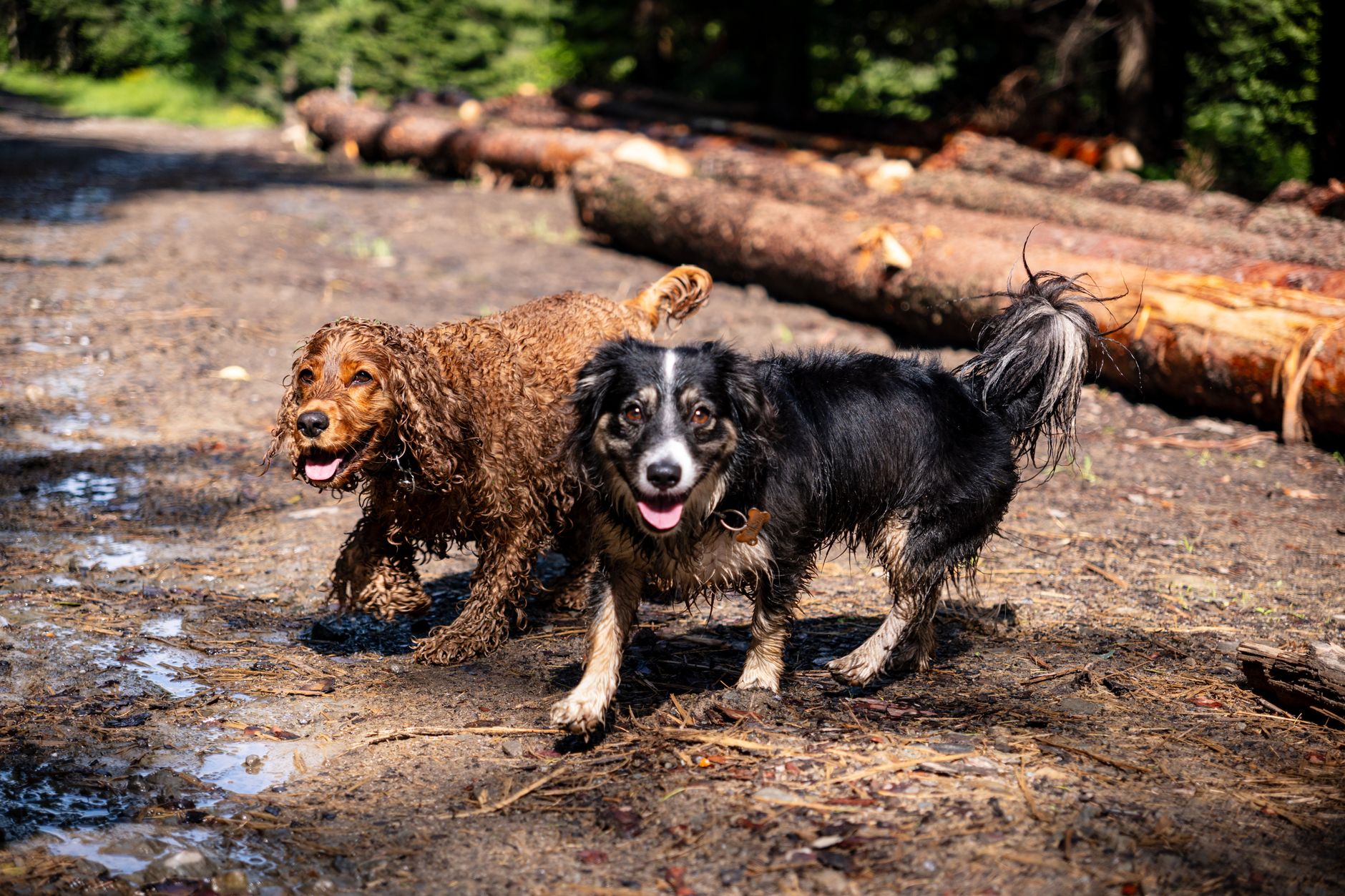
I’ve seen this happen with professional dog walkers too. A small business owner in Edinburgh who walks six dogs at once through Holyrood Park started posting short videos of the daily chaos. No editing, no music, no script. Just six dogs, a lot of mud, and dry commentary about which ones were behaving. Within six months she had a following that would embarrass some lifestyle influencers, and her booking list stretched to eight months.
This mirrors what we have seen with other community figures finding unexpected audiences online. Britain’s public librarians have been doing something similar, turning the quiet authority of a familiar community role into a genuinely compelling online presence. And like those librarians, the dog walkers who break through tend not to be performing. They are just being themselves, in a context people already find warm.
The same pattern appears in other hyperlocal success stories. Village fête organisers have found national audiences by simply documenting what they do. The formula is consistent: authenticity, a specific local identity, and the kind of routine that gives followers something to look forward to. Dog walkers fit this template almost perfectly.
The professional side of the dog walking world
Behind the charming community-icon stuff, there is a proper industry. The pet services sector in the UK is worth over £2 billion annually, and professional dog walking is a growing slice of it. Post-2020, as more people returned to offices after working from home, demand for dog walkers spiked sharply. Many professional walkers found themselves running what are, in effect, small logistics operations: multiple routes, insurance, key storage, incident reports, client communication apps.
Some of these professionals have run into legal grey areas around their responsibilities. A dog injuring another animal, a client disputing a charge, or an incident on private land can turn complicated quickly. I came across one dog walker in Shropshire who used lawmate.uk.net to get a clearer picture of her liability position before expanding her business, which struck me as sensible forward planning rather than paranoia.
Most professional walkers operating at scale are fully insured, DBS-checked, and operating under written contracts. The National Association of Pet Sitters and Dog Walkers (NarpsUK) has pushed hard for industry standards, and it shows. The reputation of a professional dog walker in a tight-knit community is everything. One bad incident travels fast in a local Facebook group.
Why the regulars become so important to local identity
There is something worth taking seriously about what these people represent. Britain’s parks and commons are some of our most genuinely democratic spaces. They belong to everyone. And the regulars, the people who are there every morning without fail, become a kind of living proof that the space is looked after, that someone cares about it. Dog walkers pick up litter they didn’t drop. They report broken fencing. They know which bench a homeless man has been sleeping on for a fortnight and whether he seems alright.
This is a form of soft civic stewardship that gets almost no official recognition. The council doesn’t thank them. There is no ceremony. The fame they accumulate is purely social: a warm hello across the park, a comment on a Facebook post, a mention in a local newsletter. But it is real, and it matters to the people involved.
I think about this alongside the amateur weather observers who have become local icons through nothing more than sustained, passionate routine. The dog walkers are doing something similar: they are present, reliable, and genuinely invested in their patch of ground. In a culture that rewards spectacle, there is something quietly radical about being famous simply for showing up.
What turns a regular into a genuine community icon?
If I had to distil it: time, dogs with personality, a willingness to talk, and a park that already has a strong sense of community. The social media element accelerates things but is not essential. Some of the most famous dog walkers in Britain have never posted a single video. Their fame is entirely analogue, accumulated over years of daily presence.
But for those who do take it online, the ceiling can be surprisingly high. Micro-celebrity at a neighbourhood level can translate into genuine influence: local businesses want to partner with them, community events ask them to open things, councillors knock on their door when they want to know what residents actually think. That kind of embedded local trust is, in its own way, more durable than a viral moment that fades by Thursday.
Britain has always had its park regulars. We have just started, slowly, to notice how much we rely on them.