

There is something almost hypnotic about a skilled auctioneer in full flow. The rhythm, the escalating tempo, the half-swallowed syllables that somehow resolve into a coherent price. I’d watched a few clips before giving them much thought, and then one afternoon a cattle market video from somewhere near Penrith appeared on my feed and I lost twenty minutes of my life without noticing. That, in miniature, is how the UK auctioneer viral video phenomenon works. It grabs you and doesn’t let go.
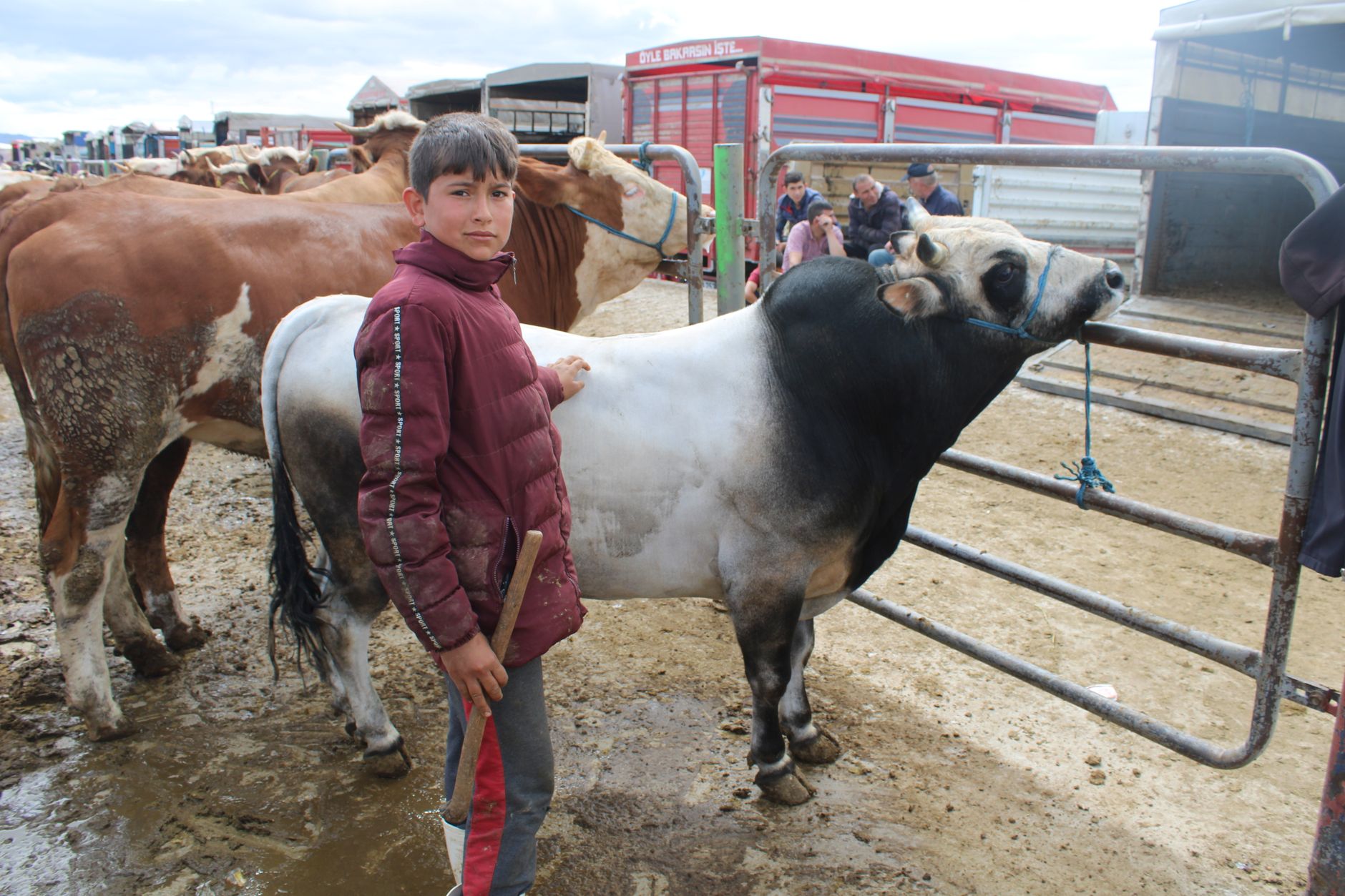
What’s genuinely striking is that these aren’t polished media productions. Most of them are shot on a mobile, often at an angle, with background noise that would make a sound engineer flinch. And yet they pull huge numbers. Agricultural auctioneers from Cumbria, Herefordshire and Dumfries are racking up millions of views. Antiques rooms in Tetbury and Burford are suddenly finding their Saturday-morning regulars have been joined by an audience of curious strangers who’ve never held a bidding paddle in their lives. Something is happening here worth paying attention to.
What makes a fast-talking auctioneer so watchable?
The honest answer is that auctioneering at a high level is a genuinely rare skill, and rare skills are compelling. A good livestock auctioneer can call bids for hours without flagging, reading a room of farmers who communicate mostly through almost imperceptible nods and eye contact. The chant, as practitioners call it, creates a kind of auditory texture that sits somewhere between jazz improvisation and a train station announcer. Your brain tries to parse it and keeps almost succeeding, which is exactly the kind of loop that keeps a thumb from swiping.
Short-form video platforms reward content that produces an immediate, unexplainable pull. The UK auctioneer viral video format delivers exactly that. There’s no setup required, no context needed. You drop in on someone doing something extraordinary with ordinary-sounding words, and the question “how are they doing that?” is enough to keep you watching. It helps that most cattle market environments look completely alien to the majority of British people who now live in cities, the sawdust, the livestock pens, the weathered faces of regulars who’ve been doing this for forty years. It’s a world within a world, and cameras have only just found it.
From cattle rings to antiques rooms: two very different traditions
The viral appeal isn’t limited to agricultural settings, though that’s where I’d argue the raw spectacle peaks. Livestock auctioneers at places like Borderway Mart in Carlisle or Sedgemoor Auction Centre in Somerset work at a physical and vocal intensity that’s extraordinary to witness. The stakes are real, the transactions are large, and there’s a whole social grammar operating beneath the surface that outsiders can only half-read. That opacity is part of the charm.
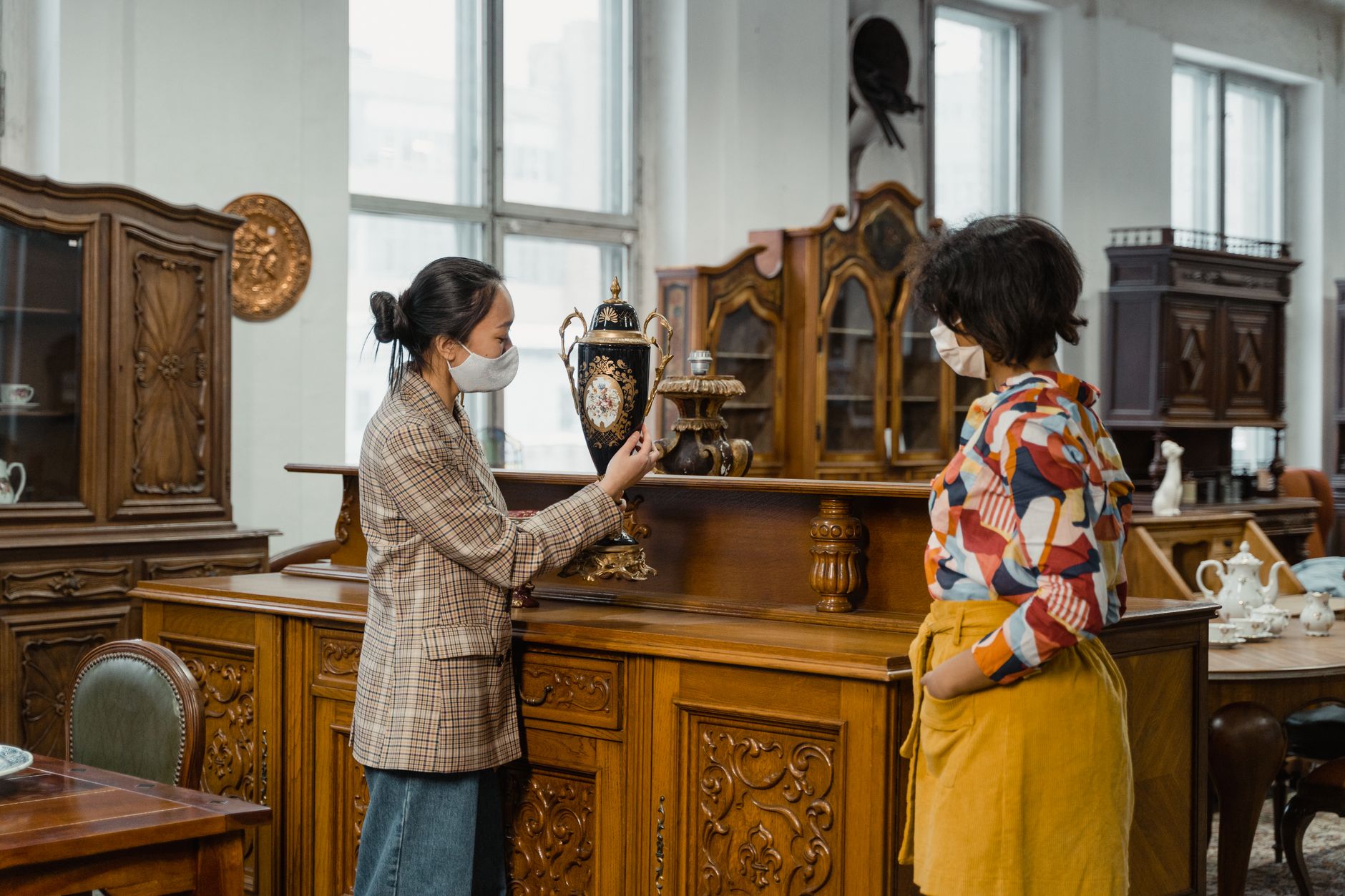
Antiques auctioneers bring something different. The humour tends to be drier, the pacing more theatrical. A skilled antiques caller will hold a lot with a long pause, let the silence work, raise an eyebrow at a bidder who’s wavering. These rooms, often in converted barns or Victorian market halls, have their own visual character that translates well on screen. Clips from smaller regional rooms, the kind that wouldn’t feature in a primetime antiques show, have built devoted followings precisely because they feel unproduced and genuinely funny. When an auctioneer in Stow-on-the-Wold sells a box of dubious Victorian bric-a-brac with the same gravitas usually reserved for a Constable, the effect is irresistible.
How sudden fame is changing these institutions
This is where things get genuinely interesting for anyone who cares about traditional industries surviving into the next generation. A handful of auction houses have gone from local fixtures to national talking points almost overnight. The question of how to handle that is one many of them are working out in real time.
Some have embraced it with obvious pleasure. Younger auctioneers at regional marts, already comfortable with a mobile phone, have started posting deliberately rather than waiting for someone else to clip them. Others, particularly older houses with longer histories, are more cautious. There’s a reasonable concern that turning a working livestock market into a content destination might disrupt the serious business of buying and selling animals. Farmers who attend regularly to do a job don’t necessarily want tourists with tripods in the bidding ring.
The antiques trade has been quicker to spot an opportunity, largely because footfall at physical auctions has been a concern for years. Online bidding had already changed who participated; viral clips have now introduced a younger demographic that genuinely didn’t know these rooms existed. Several smaller houses have reported direct upticks in registration numbers following a video going wide. A short clip of a funny lot description or a bidding war over something utterly incongruous can do more for name recognition than years of local advertising. For the kinds of small, independent institutions that rarely have marketing budgets worth speaking of, that’s significant.
The BBC’s Cumbria coverage has touched on how agricultural communities are finding new audiences through exactly this kind of organic attention, a reminder that the internet’s appetite for the genuinely regional and specific is real, not hypothetical.
The auctioneers themselves: reluctant stars or willing performers?
I’ve spoken to people who’ve attended regional livestock sales specifically because of a clip they saw online, and the auctioneer in question had no idea their work had reached beyond the usual crowd. That’s a common pattern early in this kind of fame cycle. The individual is the last to know, much like the night bus drivers and public transport workers who’ve found devoted online followings without actively seeking attention. The content finds its audience before the subject finds the content.
What’s different with auctioneers is that the performance element was always there. These aren’t private individuals caught unaware; they work in front of a crowd by definition. The skill they’ve honed over decades is already a public act. The camera simply extends the audience, sometimes by several orders of magnitude. Some take to that naturally. A few have become genuinely media-savvy, giving interviews, appearing on regional radio, starting their own accounts. Others find the whole thing faintly baffling and get on with the job.
There’s a parallel here with independent food producers at farmers’ markets who’ve built national profiles from a Saturday morning stall. The route to visibility is accidental, the skill being filmed was always real, and the challenge is managing what comes next without losing the authenticity that made it work in the first place.
What happens when the algorithm moves on?
Online fame for institutions is different to online fame for individuals, and arguably more durable. A cattle market doesn’t have a bad day on camera in the way a person might. The content is always there, the skill is always being performed, and any viewer who turns up at the physical location will find exactly what the video promised. That consistency matters. It’s one reason I think the UK auctioneer viral video trend has more staying power than a lot of comparable moments.
Some auction houses have been sensible enough to build an email list from their new audience, a simple move that pays off when algorithm winds shift. It’s worth noting that reaching that audience reliably depends on getting the technical basics right. UK-based free email testing services like Mail Tester (mail-tester.co.uk) have become quietly useful tools for smaller institutions stepping into digital outreach for the first time, offering a way to check deliverability and make sure newsletters actually reach inboxes rather than vanishing into spam folders. For a small auction house with a team that’s more comfortable with a gavel than a computer, the internet can feel opaque, and technology tools that require minimal tech support are genuinely welcome. The basic hygiene of reaching people via email is the unglamorous infrastructure beneath any viral moment that wants to convert into something lasting.
The point is that the clip is a door, and what’s on the other side of it matters. Auction houses that treat viral attention as a one-off novelty will see the numbers spike and recede. Those that use it to build a genuine relationship with a broader audience, through newsletters, regular posting, even a YouTube archive of interesting lots, are building something that outlasts the algorithm.
For institutions that have operated on local reputation for generations, the idea that a thirty-second clip shot on a phone could become the primary way new customers find them is genuinely strange. But then, many of Britain’s most distinctive trades have found unlikely new audiences recently. The craft brewery founders building cult followings from small operations faced the same adjustment: the product was always good, the audience simply needed a way to find it. For auctioneers, that way turns out to be a slightly wobbly mobile clip of someone selling a Hereford bull at extraordinary speed. And I, for one, am completely here for it.
Frequently Asked Questions
Why are UK auctioneer videos going viral on social media?
Auctioneers use a rapid rhythmic chant that’s genuinely difficult to parse, which creates an addictive loop for viewers. The unfamiliar settings, whether a Cumbrian cattle ring or a Cotswolds antiques room, add to the appeal for urban audiences who’ve never encountered these worlds before.
Which types of UK auctioneers get the most views online?
Livestock auctioneers tend to generate the most raw spectacle, particularly those working large cattle markets like Borderway Mart in Carlisle. Antiques auctioneers from smaller regional rooms go viral more often for humour, particularly when the lots are unusual and the commentary is dry.
Is viral attention actually good for traditional auction houses?
For most, yes. Antiques houses in particular have seen direct increases in bidder registrations following viral clips. The key is converting that attention into lasting engagement through email lists and regular content, rather than treating the spike as a one-off event.