

There is a particular kind of fame that nobody asks for. The sort that arrives at 3am in a force-seven gale, or on a boiling August bank holiday when a rip current has taken a family by surprise. UK coastguard volunteers and RNLI beach lifeguards are not content creators. They are not building personal brands. They are trying to stop people dying. And yet, in 2026, they are finding themselves watched by hundreds of thousands of people who have never been near a cliff path or a red-and-yellow flag.
The footage is what does it. A helmet-mounted camera on a cliff rescue in Cornwall. A shaky phone video from a Pembrokeshire beach. A local news crew that happened to be covering the summer crowds when a shout came in. These short, unscripted sequences are landing on social feeds and staying there, passed around with the kind of breathless urgency that polished PR campaigns never quite replicate. The rescuers in them often do not find out they’ve gone viral until a colleague texts them a link.
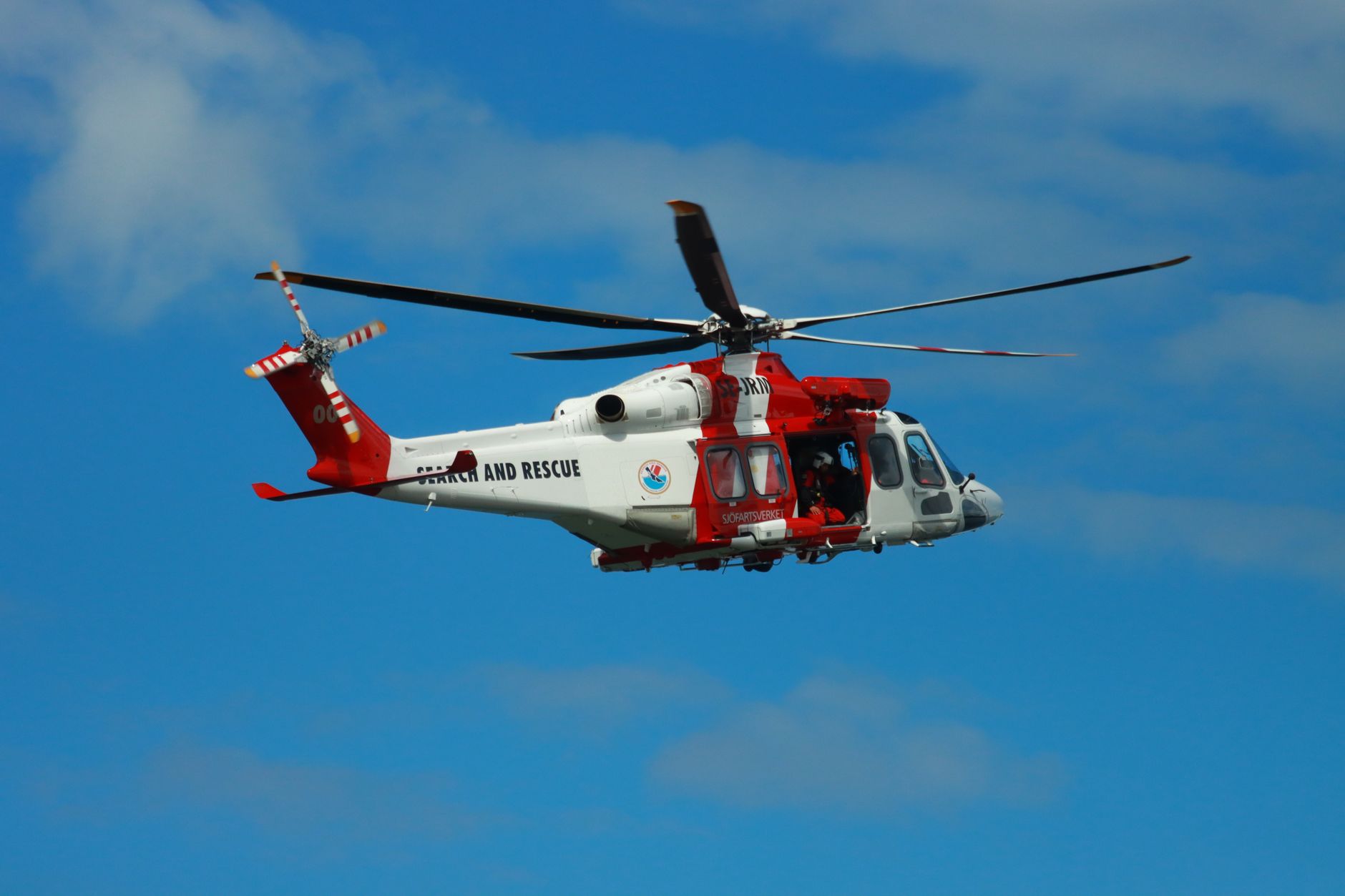
Who actually makes up these teams?
Her Majesty’s Coastguard is run by the Maritime and Coastguard Agency, part of the Department for Transport. Its coastal rescue officers are unpaid volunteers drawn from local communities around Britain’s entire coastline. They train in mud and darkness, at weekends and evenings, to handle rope rescues, cliff evacuations, and mudflat retrievals. There are around 3,500 of them across roughly 350 rescue teams in England, Scotland, Wales, and Northern Ireland. Most have day jobs. Some are teachers, some are plumbers, some work in care homes. The rescue kit lives in a locker at the end of their road.
The RNLI’s beach lifeguards are a different shape. They are seasonal, paid staff during the summer months, typically younger, often students or recent graduates, and they operate on around 240 beaches across England, Wales, the Channel Islands, and the Isle of Man. They are the ones in the red-and-yellow kit watching the flags, scanning the surf, and running into the water when the flags are ignored. Between them, RNLI lifeguards responded to over 19,000 incidents in a single recent season, according to the RNLI’s own published data. That figure includes everything from a child separated from their parents to a cardiac arrest on the waterline.
Why bodycam footage is changing everything
Coastguard rescue teams began wearing helmet and bodycam cameras primarily for training and evidence purposes. Nobody was thinking about TikTok. But footage shared through official team social accounts, or clipped by local journalists, started pulling serious numbers around 2024 and has not slowed down. I’ve watched some of this content and the reason it works is blindingly obvious once you see it: there is no filter. The breathing is real. The terrain is real. The tension is real. There is no script, no grade, no presenter doing a piece to camera. It is just someone hauling another person up a chalk face in the dark.
Several Coastguard rescue teams now run their own Facebook and Instagram accounts, posting rescue updates, training exercises, and safety messages. Some have gathered followings that would make a mid-sized lifestyle brand envious. The Lizard Coastguard Rescue Team in Cornwall, for instance, regularly shares cliff rescue footage that gets picked up by national outlets within hours. The team’s posts are written in plain English, often with a direct safety message at the end. They are not trying to go viral. That is probably why they do.
What the spotlight actually feels like
I spoke to a volunteer who has been with a South Wales coastguard team for eleven years. She asked me not to use her name, which felt entirely consistent with everything else about this world. “You come home after a difficult shout and you want a cup of tea and some sleep,” she told me. “You don’t want to find out a video of it is doing the rounds on social media.” She is not resentful of the attention, exactly. She understands why people are drawn to it. But the gap between what viewers see and what the experience is like from the inside is enormous. “People comment saying ‘amazing heroes’ and you think, I just did what I was trained to do. I was terrified the whole time.”
RNLI lifeguards tend to have a slightly different relationship with the visibility, partly because they are younger and more social-media-fluent, and partly because the RNLI as an organisation is quite good at using its own content to drive donations. The charity operates entirely without government funding, relying on the public for every lifeboat and every lifeguard vest. Visibility, in that context, is genuinely useful. A rescue that gets shared widely can move the needle on fundraising in ways that a press release never could. That practical reality does not make the attention feel less surreal for the individuals involved, but it gives it a shape, a purpose.
The local news pipeline that feeds the national audience
A lot of this content travels a very specific route. A rescue happens. The local paper or regional TV crew covers it. The clip gets pulled onto a national news site. Someone screenshots it and posts it. Within a cycle or two, it has been seen by people in Sheffield and Aberdeen who have never visited the beach where it happened. This is not new as a mechanism. What is new is the speed, and the way it keeps circulating long after the news cycle has moved on. Rescue footage from the previous summer still turns up in feeds today, usually shared with a comment like “I had no idea they were volunteers.”
That ignorance is itself a story. Most people do not know that the person who abseiled down to help them, or the one who dragged them clear of a rip current, did it in their spare time, at no personal profit, and will be back at their regular job on Monday morning. When that reality lands, it lands hard. The surprise is genuine. This is, I’d argue, one of the reasons coastguard and lifeguard content punches so far above its production weight. It is not just dramatic. It is revelatory.
It is a pattern I’ve noticed with other unexpected British stars too. The bus drivers who built devoted online followings earned their attention in much the same way: doing a necessary job in public, doing it visibly well, and letting the footage speak for itself. The same goes for litter-picking volunteers who turned a mundane task into a viral movement. The common thread is service without self-promotion.
A fame that stays in proportion
The coastguard volunteers and beach lifeguards who end up briefly famous almost universally deflect the attention back to the work. Their social media posts, when they write them, talk about conditions, safety warnings, and what to do if you get into trouble. The RNLI’s beach safety guidance, the red-and-yellow flags, the importance of not swimming at unguarded beaches, these are the things they want people to take away. The drama is incidental to that message, even when it is the drama that delivers the audience.
There is something genuinely good about that. In a landscape where fame is increasingly manufactured, where people are crafting personas and optimising content and studying analytics, the accidental recognition of people who are simply very good at something very difficult is a small corrective. It is the same quality that makes the market town auctioneer who broke the internet so compelling. Real competence, on camera, without artifice, turns out to be its own kind of content.
The Coastguard’s coastal rescue teams and the RNLI’s lifeguards will be out there again this summer, on every exposed headland and every lifeguarded beach in Britain, hoping they have nothing dramatic to report. The audiences that have found them will probably be watching anyway.
Frequently Asked Questions
Are UK coastguard rescue teams really unpaid volunteers?
Yes. Her Majesty’s Coastguard’s coastal rescue officers are unpaid volunteers who train in their own time and respond to emergencies alongside their regular jobs. They receive reimbursement for expenses but no salary. The Maritime and Coastguard Agency oversees roughly 350 teams around the UK coastline.
How do RNLI beach lifeguards differ from coastguard volunteers?
RNLI beach lifeguards are paid seasonal staff, typically working from May to September on around 240 beaches in England, Wales, the Channel Islands, and the Isle of Man. Coastguard rescue teams are year-round unpaid volunteers who handle cliff rescues, mudflat incidents, and coastal searches rather than in-water beach patrol.
Why is coastguard rescue footage going viral on social media?
Bodycam and helmet-camera footage from real rescues is unscripted, unfiltered, and often genuinely dramatic. Teams share it through their own social accounts and local news outlets, where it picks up national traction fast. The added surprise that the people in the footage are mostly unpaid volunteers amplifies the emotional response.
Leave a Reply