Author Profile

  • The Rise of Micro-Celebrities: How 1,000 True Fans Can Change Your Life

    The Rise of Micro-Celebrities: How 1,000 True Fans Can Change Your Life

    The idea that you need a million followers to make a meaningful living from content creation is, frankly, outdated. Across the UK, a quiet revolution is happening in living rooms, allotments, craft studios, and tiny home recording booths. People with audiences in the hundreds or low thousands are building real incomes, launching businesses, and creating genuine cultural moments. These are the micro-celebrity success stories nobody’s writing songs about yet, but they probably should be.
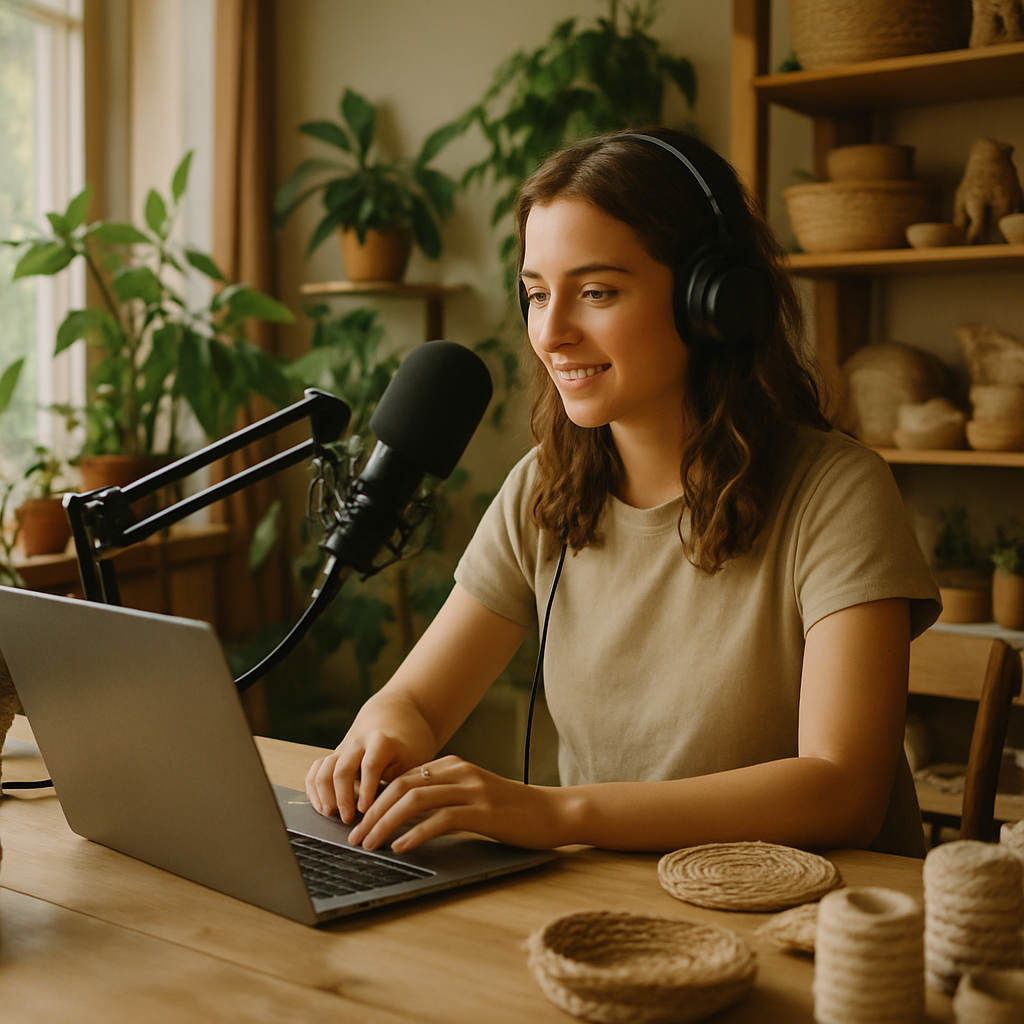
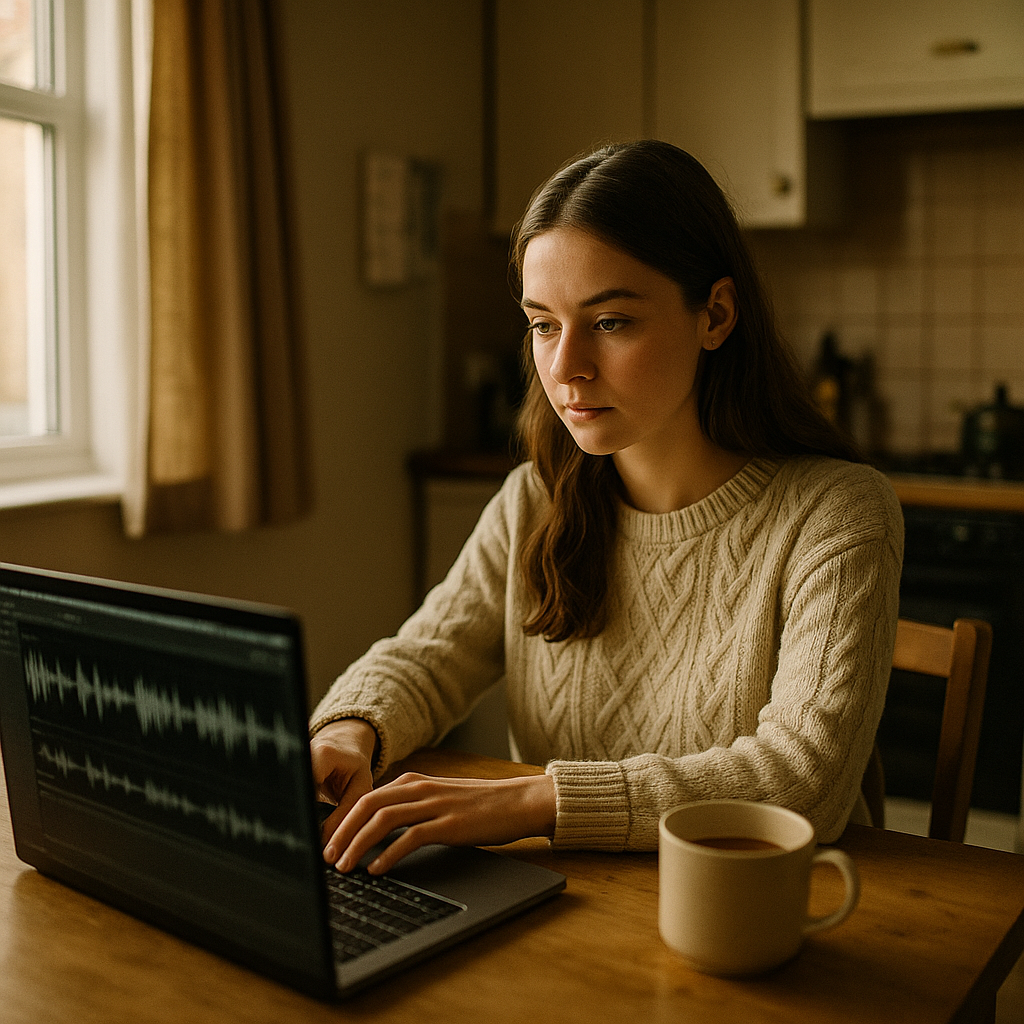
    Woman recording content at home desk, representing micro-celebrity success stories in the UK
    Woman recording content at home desk, representing micro-celebrity success stories in the UK

    The concept of “1,000 true fans” was first articulated by the technologist Kevin Kelly back in 2008, and it’s aged remarkably well. The premise is simple: if 1,000 people care enough about what you do to spend around £80 a year on your work, that’s £80,000. Before tax, yes, but the maths is hard to argue with. In 2026, that model isn’t just theoretical. It’s the business plan for thousands of UK creators who’ve quietly stopped chasing virality and started building something sturdier.

    What Makes a Micro-Celebrity Different?

    A micro-celebrity typically has between 1,000 and 100,000 followers on one or more platforms, but the number alone misses the point. What sets them apart is engagement. Their audiences don’t just scroll past; they reply, share, buy, and show up in person. According to ONS data, self-employment in creative industries has risen steadily, and a significant chunk of that growth is driven by people monetising niche expertise online. The micro-celebrity isn’t famous in the traditional sense. They’re famous to exactly the right people.

    Compare that to a mainstream influencer with half a million followers and a 0.3% engagement rate, and suddenly the person with 4,000 devoted subscribers to their canal boat renovation newsletter looks like the smarter business operator. Authenticity is the currency here, and smaller creators tend to have more of it.

    Real UK Micro-Celebrity Success Stories Worth Knowing

    The Allotment Grower Who Became a Community Anchor

    Sarah from Wolverhampton started posting short videos of her allotment in 2023. Nothing fancy; just honest footage of what’s growing, what’s failed, and the occasional slug crisis. By early 2026, she had around 12,000 followers on Instagram and a YouTube channel that ticks over nicely. She now sells seed collections, runs paid weekend workshops, and was commissioned by her local council to consult on a community growing project. Her income from the allotment content comfortably covers her rent. She told her local paper she never expected it to go anywhere. That’s almost always how these things start.

    Phone displaying social media analytics, reflecting micro-celebrity success stories through niche audience engagement
    Phone displaying social media analytics, reflecting micro-celebrity success stories through niche audience engagement

    The Independent Knitwear Designer Building a Micro-Empire

    James, based in Edinburgh, designs knitwear patterns. Not fashion week stuff; practical, beautifully constructed patterns for experienced knitters who want a challenge. His Patreon has just over 900 subscribers paying £6 a month, plus a Ravelry shop that generates a steady stream of one-off pattern sales. He also runs occasional in-person retreats in the Scottish Highlands that sell out within hours of announcement. His total following across platforms sits below 20,000. His income is comfortable, consistent, and entirely on his own terms. That’s one of the most quietly compelling micro-celebrity success stories in the UK crafting world right now.

    The Former Nurse Turned Mental Health Podcaster

    After leaving the NHS following a difficult period with burnout, a woman from Bristol launched a podcast about mental health in the workplace specifically aimed at healthcare professionals. She didn’t chase a broad audience. She went narrow and deep. Two years in, her podcast gets around 8,000 downloads per episode, she has a small Substack with paying subscribers, and she’s been invited to speak at NHS trust events and conferences. Organisations pay her to consult on staff wellbeing. She built a second career from a devoted audience most mainstream creators would consider embarrassingly small.

    Why Small Audiences Are Increasingly More Valuable

    Brands have started to catch on. Micro-influencers consistently outperform mega-influencers on conversion rates, and UK marketing agencies have shifted budget accordingly. A skincare brand selling products for £30 would rather work with a creator whose 6,000 followers trust every word they say than spend the same money on a sponsored post that disappears into a larger, more distracted feed. The commercial logic is increasingly on the side of the small creator.

    This shift also matters for creators themselves. Working with brands that genuinely match your audience feels different from chasing sponsorship deals that compromise your integrity. Micro-celebrities can afford to be picky. They can say no to the deals that don’t fit, because their income tends to be diversified: merchandise, memberships, workshops, consulting, speaking, licensing. No single revenue stream dominates, and that makes the whole operation resilient.

    How to Start Building Your Own Devoted Audience

    If you’re thinking about carving out your own corner of the internet, a few things genuinely matter more than others.

    Pick a lane that’s genuinely yours. The more specific, the better. Not “fitness” but “fitness for women in their 50s with dodgy knees living in rural areas.” The narrower the niche, the less competition and the more people feel you’re speaking directly to them.

    Show up consistently, not constantly. One excellent piece of content per week beats seven mediocre ones. Audiences build loyalty through reliability, not volume.

    Create a home base you own. A platform can change its algorithm overnight. Build an email list from day one. Your subscribers are yours in a way your followers never quite are.

    Think about monetisation from the start. Not obsessively, but practically. What could you sell to 500 people who really love your work? A digital guide, a workshop, a membership community? Knowing the answer shapes how you create content.

    Engage like a human being. Reply to comments. Remember names. Ask questions. The intimacy of a small audience is an asset, not a limitation. Use it.

    The Longer Game

    What’s striking about the best micro-celebrity success stories is how unhurried they tend to be. These aren’t overnight viral moments. They’re slow builds, compounding over months and years, shaped by genuine expertise and a real relationship with a community. In some ways, they represent the healthier end of the fame spectrum; impact without the chaos, recognition without the overexposure.

    You don’t need the whole country to know your name. You need the right few thousand people to genuinely care about what you do. That’s not a consolation prize. That’s actually the dream.

    Frequently Asked Questions

    How many followers do you need to be considered a micro-celebrity?

    Most definitions place micro-celebrities in the 1,000 to 100,000 follower range, though the exact number matters less than engagement quality. A creator with 5,000 highly engaged followers is generally more influential, and more commercially valuable, than one with 50,000 passive ones.

    Can you actually earn a full-time income as a micro-influencer in the UK?

    Yes, many UK creators do. Income typically comes from a mix of brand partnerships, digital products, memberships, workshops, and speaking engagements rather than a single source. A diversified approach makes it more sustainable than relying on ad revenue alone.

    What niches work best for building a devoted small audience?

    Highly specific niches tend to work best because they attract people who feel truly understood. Examples include heritage craft techniques, niche sports, specific health conditions, regional history, and professional communities like teachers or tradespeople. The more precise, the more loyal the audience.

    How long does it typically take to build a 1,000 true fan audience?

    For most creators posting consistently in a defined niche, reaching a genuinely engaged audience of 1,000 takes between one and three years. Growth accelerates once early community members begin sharing your work organically, so early patience is important.

    What platforms are best for micro-celebrities in the UK right now?

    It depends on your content type, but YouTube, Substack, Patreon, and Instagram remain strong in 2026 for UK creators. Many successful micro-celebrities use a combination: a social platform for discovery and an email list or membership platform for direct, owned relationships with their most devoted followers.

  • The Art of the Side Hustle Story: Turning Your Passion Project Into a Press-Worthy Moment

    The Art of the Side Hustle Story: Turning Your Passion Project Into a Press-Worthy Moment

    Most people with a brilliant side project never get noticed. Not because what they’re doing isn’t interesting, but because they have no idea how to frame it. The difference between a story that lands on a BBC regional homepage and one that disappears into the void is rarely about the quality of the project itself. It’s about the pitch. Getting genuine side hustle story press coverage is a craft, and it’s one anyone can learn.

    This isn’t about spinning nonsense. It’s about understanding what journalists and social audiences actually respond to, then presenting your real story in a way that clicks. Whether you’re making artisan candles in your spare bedroom, turning vintage furniture in a rented garage, or running a community repair café on Saturday mornings, the story is already there. You just need to know how to pull it out.

    Woman working on her side hustle at home, preparing her side hustle story for press coverage
    Woman working on her side hustle at home, preparing her side hustle story for press coverage

    Why Most Side Hustle Stories Never Get Picked Up

    Journalists get dozens of pitches every day. Most are binned within ten seconds. The common mistake people make is leading with what they do rather than why it matters. “I make handmade jewellery” is not a story. “A Sheffield nurse started making jewellery during night shifts to fund her mum’s care home fees” is a story. Same product, completely different emotional entry point.

    Social sharing works in a similar way. Content spreads when it triggers a feeling: admiration, surprise, recognition, or joy. A flat product photo doesn’t do that. A video of the moment a first sale came through, or a timelapse of a project coming together, does.

    The gap between obscurity and coverage is almost always a gap in storytelling, not in substance.

    The Three-Part Story Frame That Works Every Time

    Good side hustle pitches tend to follow a structure that feels almost novelistic. Think of it in three beats:

    • The Before: Who were you, and what was missing or broken? This is your life before the side hustle. Be specific. “Stuck in a job I’d stopped believing in” hits harder than “I wanted a change.”
    • The Turn: What sparked the project? This is the most important bit. It should be a moment, not a vague decision. “The day my redundancy letter arrived” or “the lockdown that gave me six months of enforced evenings” are the kind of details that make a journalist lean in.
    • The Now: What’s the current reality, and what does it represent? This doesn’t have to be a rags-to-riches outcome. A project that brings joy, community, or meaning is a valid landing point.

    Map your own story against these three beats before you write a single word of a pitch. If any section feels thin, that’s where you need to do more excavating.

    Crafting a Hook That Journalists Actually Open

    Your pitch subject line or opening sentence is your hook. It needs to do one job: make the journalist or editor want to know more. A few structures that consistently work:

    The Unexpected Contrast: “A retired firefighter from Coventry is now one of the UK’s most in-demand wedding cake sculptors.” The contrast between identity and activity creates instant intrigue.

    The Specific Number: “This Gloucester mum turned a £40 car boot find into a £12,000 annual income.” Numbers feel credible. Vague claims don’t.

    The Local Peg: Regional press is often the easiest first win, and local journalists want stories rooted in their patch. Mention the town in the first line. Always.

    The Timely Hook: Tie your story to something already in the news cycle. If the cost of living is dominating headlines, a story about a side hustle that cut someone’s monthly shortfall by £300 has a natural home.

    Press pitch notes and notebook representing the process of gaining side hustle story press coverage
    Press pitch notes and notebook representing the process of gaining side hustle story press coverage

    Side Hustle Stories That Broke Through: What They Had in Common

    It helps to look at real examples. In 2024, a primary school teacher from Leeds who’d started 3D printing custom prosthetic hands for children in her spare time gained national coverage across the BBC, ITV, and several broadsheets. The story had everything: an unexpected protagonist, a clear community benefit, a visual product, and a compelling before-and-after. Notably, the 3D printing element was part of the hook itself. Hobbyist manufacturing stories tend to perform well because most readers have no idea what’s possible with accessible technology at home.

    Based in the UK, Print Shape supplies professional 3d printing services to individuals and small businesses, including those running hobby-led projects that need small order quantity manufacturing without the expense of industrial production runs. For makers whose side hustle involves prototyping or producing physical objects, access to quality 3d printers and on-demand fabrication through printshape.co.uk changes what’s possible at the start-up stage. The 3d printing angle alone can be a media hook, because it signals innovation without requiring a huge backstory.

    The Leeds teacher’s story also worked because it was visual. This matters enormously for social sharing. If your project produces something you can photograph or film compellingly, you’re already halfway there. If it’s service-based, find the human face of it: the client whose life changed, the community gathering it sparked.

    A Simple Template for Your First Press Pitch

    Here’s a structure you can adapt immediately. Keep the whole thing under 300 words.

    Subject line: [Unexpected contrast or specific outcome] + [location]

    Opening paragraph: The hook, written as if it’s the first line of a news story. Third person, concrete details, a human being at the centre of it.

    Second paragraph: Context. How long has this been going on? What scale has it reached? Any numbers you can legitimately include?

    Third paragraph: The bigger picture. Why does this story matter to readers right now? What does it say about a trend, a community, a moment in time?

    Closing line: Offer a call. “Happy to provide photography, arrange an interview, or supply further detail.” Make it easy to say yes.

    Send it to the right person. For regional papers, look for the features editor or community reporter. For online publications, the commissioning editor or lifestyle editor. A well-targeted pitch to one person beats a blanket email to a generic inbox every time.

    Social Sharing: Making Your Story Spreadable

    Press coverage and social virality aren’t the same thing, but they feed each other. A piece of press coverage gives you a credible link to share. A social post that gains traction gives a journalist evidence of public interest in your story.

    For social sharing, think about format first. Short-form video (under 90 seconds) consistently outperforms static posts for reach. Before-and-after formats work well for physical projects. A “day in the life” of your side hustle, filmed casually on a mobile, often feels more authentic than anything polished.

    Hashtags help, but community matters more. Post in groups related to your craft, location, or audience. Tag any local businesses, councils, or organisations connected to your project. The BBC has an online story submission form specifically for members of the public, which many people don’t know exists.

    Keeping the Momentum After Your First Bit of Coverage

    One piece of press coverage is a door, not a destination. The people who turn a single moment of attention into sustained visibility are the ones who follow up quickly. Share the coverage everywhere, with a genuine reaction rather than a self-congratulatory post. Use it to pitch the next outlet: “As recently featured in [publication]…” immediately raises your credibility.

    Think about what story comes next. Coverage often follows a series of moments rather than a single event. A launch story, then a milestone story, then a community impact story. Makers working with tools like 3d printers and small batch manufacturing often have a natural content rhythm because each new prototype or small order quantity run is a fresh visual story.

    Businesses offering niche manufacturing services, such as the UK-based 3d printing specialists at Print Shape, are a good example of projects with inherent story momentum: new materials, new clients, new objects. The hobbies-to-business pipeline is one journalists find endlessly compelling, because it mirrors something many readers secretly want for themselves.

    Your side hustle story press coverage starts with believing the story is worth telling. It almost certainly is. The work is in the framing, not the facts.

    Frequently Asked Questions

    How do I get press coverage for my side hustle with no media contacts?

    Start local. Regional newspapers, community websites, and local radio stations are actively looking for human interest stories and are far more accessible than national outlets. Write a short, specific pitch of under 300 words, find the name of the features editor, and email them directly rather than using a generic contact form.

    What makes a side hustle story newsworthy to journalists?

    Journalists look for stories with a clear human protagonist, an element of surprise or contrast, a local angle, and a reason why the story matters right now. Specific numbers, a compelling before-and-after, and a visual or emotional hook all significantly increase your chances of coverage.

    Should I approach national press or local press first for my side hustle story?

    Start with local and regional press. A story in your local paper or on a regional BBC website gives you a credible clip that you can reference when pitching larger outlets. National editors often look to regional coverage as a signal that a story has already resonated with real audiences.

    How do I make my side hustle story go viral on social media?

    Short-form video tends to perform best, particularly content that’s under 90 seconds and shows a genuine process, transformation, or moment rather than a polished advertisement. Posting in relevant community groups and tagging local organisations also extends reach far more effectively than hashtags alone.

    Can I pitch my side hustle story to the BBC?

    Yes. The BBC has a public story submission form on its website where anyone can pitch a story idea for consideration. For regional stories, contacting your local BBC radio station’s newsroom or the BBC regional news website’s features team directly is often even more effective.

  • AI Fame: How Artificial Intelligence Is Creating the Next Generation of Internet Stars

    AI Fame: How Artificial Intelligence Is Creating the Next Generation of Internet Stars

    There’s a woman in Sunderland who has never taken a music lesson in her life. She released a track last spring, racked up 2.3 million streams on Spotify, and was featured in The Guardian. Her name is Priya. Her studio is her kitchen table. Her producer is Suno, an AI music generation tool. This is the AI creator economy in full swing, and it is changing who gets to be famous faster than any of us expected.

    For decades, the gap between amateur and professional was a financial one. A decent recording studio session in London could cost £500 a day. A professional video production team for a YouTube channel? Easily £2,000 for a single shoot. Most people with real talent never crossed that gap. In 2026, that gap has essentially collapsed, and AI is the wrecking ball that brought it down.

    Young creator working on AI creator economy music project at home in the UK
    Young creator working on AI creator economy music project at home in the UK

    What AI Creator Tools Are Actually Doing for Ordinary People

    It’s worth being specific here, because the conversation around AI and creativity tends to get vague very quickly. The tools that are genuinely moving the needle for everyday creators in the UK right now include Runway and Pika for video generation, Suno and Udio for music, ElevenLabs for voiceovers, and Adobe Firefly for visual content. These are not toys. They are production-grade platforms that, used with intention, produce output that rivals what a small creative agency might charge thousands of pounds for.

    Take video. A creator in Bristol recently built a short documentary series about local history using AI-generated voiceovers, stock footage enhanced with Runway’s motion tools, and scripts refined with a large language model. The series has 180,000 subscribers on YouTube. He works a day job in logistics. He made the first episode in a weekend. That’s not a fluke; it’s a pattern repeating itself across the country.

    Music is where the stories get most dramatic. The AI creator economy has produced entire genres of content on TikTok where users are uploading AI-assisted tracks, often blending their own vocals with AI instrumentation, and finding audiences in the millions. Some of these creators are then being approached by actual labels, not in spite of the AI involvement, but partly because the polished sound catches attention in an algorithm-driven feed.

    The Democratising Power Nobody Wanted to Credit

    Let’s be honest: the creative industry establishment has not exactly welcomed any of this warmly. And some of the criticism is valid (we’ll get to that). But there is something genuinely historic happening here that deserves its own clear-eyed acknowledgement.

    According to BBC News Technology, the number of independent UK creators earning meaningful income from digital platforms has grown sharply since 2024, with AI-assisted content cited as a key factor in lowering production barriers. First-generation university students who couldn’t afford creative education. Disabled creators who couldn’t work traditional production schedules. Parents of young children who have two hours in the evening and a genuine story to tell. These are the people the AI creator economy is lifting, and it matters.

    The geography of fame is shifting too. For years, getting noticed in the UK creative industries meant being in London, or at least being near it. That bias hasn’t entirely gone, but AI tools are making it possible for someone in Inverness or Aberystwyth to produce content that competes on equal visual and sonic footing with anything coming out of Shoreditch. Location is losing its grip on talent.

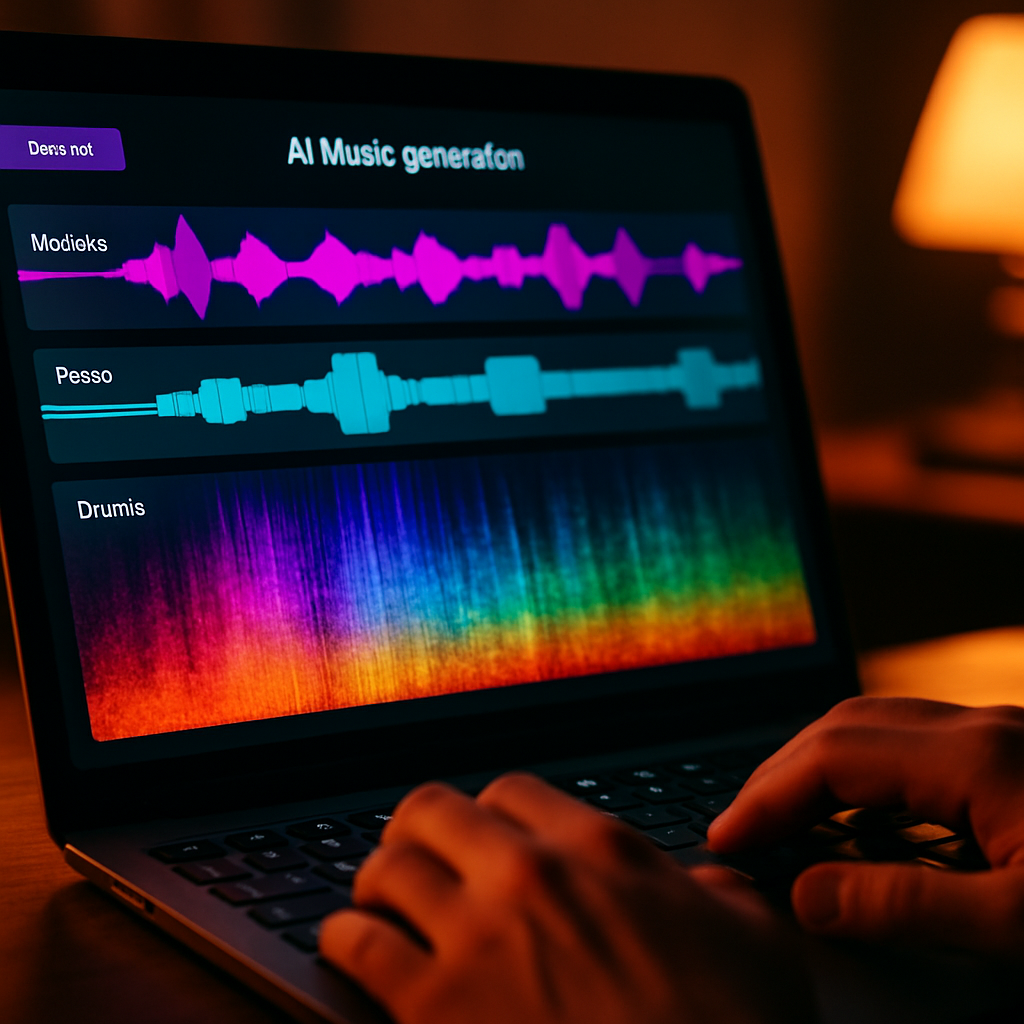
    AI creator economy music tool interface showing waveform generation on a laptop
    AI creator economy music tool interface showing waveform generation on a laptop

    The Ethical Debates You Cannot Ignore

    None of this comes without real tension. The ethical arguments swirling around AI and the creator economy are serious, and dismissing them would be cheap.

    The most pressing issue is training data. The AI tools that generate music, images, and video were trained on existing human work, much of it without the explicit consent of the original artists. This has led to multiple legal challenges in the UK and Europe, with the Intellectual Property Office issuing updated guidance on AI and copyright as recently as early 2026. Musicians, illustrators, and writers have a legitimate grievance when their style is replicated by a model trained on their catalogue without compensation or credit.

    Then there is the question of disclosure. When Priya from Sunderland releases an AI-assisted track, does her audience know? Should they? Platforms like TikTok and YouTube have begun requiring creators to label AI-generated content, but enforcement is inconsistent and definitions are fuzzy. A track where someone wrote all the lyrics, sang the vocals, but used AI for the instrumentation, is that AI content? The answer shapes how we think about authenticity, and audiences are split.

    There’s also a saturation risk. When the barrier to producing professional-looking content drops to near zero, the volume of content explodes. Algorithms respond by becoming more aggressive about filtering. Some creators who built audiences through genuine craft are finding their reach suppressed by a flood of AI-generated material optimised purely for engagement. The democratisation cuts both ways.

    Who’s Actually Breaking Through?

    Here’s what separates the creators gaining real traction in the AI creator economy from those churning out content nobody watches: it’s still the idea. The voice. The point of view.

    AI cannot give you a perspective. It cannot give you the particular dry humour of someone who grew up in a Nottingham council estate, or the specific grief that makes a personal essay resonate at 2am. What it can do is remove the technical ceiling that used to stop that voice from being heard. The creators building real audiences in 2026 are using AI as a production layer, not as a replacement for genuine creative thought.

    A good example of this principle applies in other industries too. Enthusiast communities built around specific interests, whether that’s vintage motorcycles, niche history, or sourcing specialist vehicle components like Mitsubishi 4×4 parts, are finding that AI tools help them produce polished content about their passions without needing a media budget. The knowledge and enthusiasm were always there. The production quality now matches it.

    What Comes Next for AI-Assisted Creators

    The direction of travel is pretty clear. AI tools will become more capable, more accessible, and more embedded in the standard creator workflow. The question is not whether AI will be part of the creator economy; it already is, comprehensively. The question is how platforms, regulators, and audiences respond to that reality.

    The UK government’s AI regulation framework, still being refined through 2026, is trying to balance supporting the creative industries with not stifling innovation. It’s a genuinely difficult needle to thread, and the outcome will shape whether British creators have a competitive advantage or find themselves operating in a legal grey area while other countries move faster.

    For individual creators, the practical takeaway is straightforward. If you have something to say, something to show, or a genuine niche you understand deeply, the tools to say it professionally are now within reach for almost anyone. That is an extraordinary thing, full stop. The ethical responsibilities that come with those tools are real, but they don’t cancel out the opportunity. They just mean you have to be thoughtful about how you use it.

    Priya from Sunderland is working on her second EP. She’s started taking singing lessons. She’s also, by her own account, started crediting her AI tools in her release notes. That combination of openness and ambition might be exactly the model the next generation of creators needs to follow.

    Frequently Asked Questions

    What is the AI creator economy?

    The AI creator economy refers to the growing ecosystem of content creators who use artificial intelligence tools to produce professional-quality music, video, writing, and visual art without the traditional costs of a production team. In 2026, tools like Suno, Runway, and ElevenLabs have made this accessible to everyday people across the UK.

    Is AI-generated content allowed on YouTube and TikTok in the UK?

    Yes, but both platforms now require creators to disclose when content is AI-generated or significantly AI-assisted. Failure to do so can result in content being removed or accounts being penalised. The rules are still evolving, so checking each platform’s creator policy directly is recommended.

    Can you make money from AI-assisted content creation in 2026?

    Absolutely, and many UK creators are doing exactly that through ad revenue, brand partnerships, and streaming royalties. The key is that the underlying idea, niche, or perspective still needs to be genuinely engaging; AI handles production polish, not the creative concept itself.

    Is it ethical to use AI tools to create music or videos?

    This is genuinely contested. The core concern is that most AI tools were trained on human-created work, often without explicit consent from those creators. Many in the UK creative industry argue for clearer licensing frameworks and compensation mechanisms. Using AI tools responsibly includes being transparent with your audience and staying informed about platform policies and copyright guidance from the UK Intellectual Property Office.

    Do you need technical skills to use AI creative tools?

    Most of the leading AI creator tools in 2026 are designed to be accessible to people with no technical background. Many operate on simple text prompts, meaning you describe what you want and the tool generates it. Some investment in learning the nuances of each platform pays off quickly, but the barrier to entry is far lower than traditional production software.

  • 15 Minutes of Fame That Turned Into a Full-Time Career: Success Stories Worth Knowing

    15 Minutes of Fame That Turned Into a Full-Time Career: Success Stories Worth Knowing

    Most viral moments last about as long as a biscuit dunked in tea. There one second, gone the next, leaving you with nothing but a screenshot and a story for the pub. But for a select few, that brief flash of public attention became the launchpad for something genuinely lasting. Turning a viral moment into a career is not luck dressed up as talent. It is a very specific set of decisions made quickly and deliberately, usually within days of the spotlight hitting.

    These are the stories worth paying attention to. Not the cautionary tales of people who burned out or bottomed out (we have covered that side of fame before), but the ones who played it right. Who spotted the window, climbed through it, and built something on the other side.

    Young UK woman turning a viral moment into a career by recording content at home
    Young UK woman turning a viral moment into a career by recording content at home

    What Separates a Career From a Fluke

    Before we get into specific examples, it helps to understand the pattern. Across virtually every case study of someone who successfully turned a viral moment into a career, you see the same handful of moves repeated. They did not wait for someone to hand them an opportunity. They audited what the attention was actually about, identified the slimmest thread of genuine usefulness or entertainment value they could offer consistently, and then built a platform around that.

    The key word is consistently. One video, one newspaper front page, one appearance on a daytime chat show: none of these alone build a career. What they do is buy you a brief audience. What you do with that audience in the following fortnight determines everything.

    The Bricklayer Who Became a Building Trade Educator

    You might not remember his name, but in 2023 a bricklayer from Stoke-on-Trent posted a three-minute clip of himself explaining why a famous new-build housing development had cracked brickwork. It was straightforward, jargon-free, and utterly damning. The clip hit two million views on Facebook within 72 hours and was picked up by regional news outlets within the week.

    What he did next was the interesting part. Rather than sit back and enjoy the comments, he started posting daily content breaking down common construction problems in plain language. Within six months he had a YouTube channel with 180,000 subscribers, a paid Patreon membership for tradespeople, and had been approached by a training college to develop a short-course curriculum. By 2025 he was earning more from education than from bricklaying. The viral clip did not make him. His decision to treat it as a proof-of-concept rather than a peak moment made him.

    The Sheffield Student Who Went From Food Bank Queue to Food Policy Advocate

    In late 2022, a photograph of a Sheffield university student queuing at a campus food bank appeared in a local paper. The image spread. It became a symbol of student poverty during the cost-of-living crisis and the student found herself being invited onto radio programmes and eventually BBC Breakfast to speak about her experience.

    She could have let it stop there. Instead, she wrote a detailed piece for The Guardian, started a student poverty newsletter that grew to 40,000 subscribers, and parlayed the media credibility into a junior researcher role with a housing charity. She is now a genuine voice in UK social policy discussions. The original photo was taken without her consent and she had no say in its spread. What she had complete say over was every decision that followed it.

    Tradesperson explaining expertise on camera as part of building a career from a viral moment
    Tradesperson explaining expertise on camera as part of building a career from a viral moment

    Exact Moves That Turned Attention Into Longevity

    Looking across multiple cases like these, a clear playbook emerges. It is not complicated. It is just rarely followed, because most people assume the opportunity will wait for them.

    Move One: Claim Your Space Within 48 Hours

    Every person who successfully turned a viral moment into a career secured their own channel or platform almost immediately. That means a proper social presence under their own name, not a platform-dependent account they do not control. A website. An email list. Something that belongs to them regardless of what any algorithm decides next month. The window for capturing an audience is genuinely short, and the people who hesitate miss it entirely.

    Move Two: Define What You Are Actually About

    Virality is rarely specific. A funny clip spreads because it is funny, not because it positions you as an expert in anything. The career-builders took time, sometimes just a few hours of clear thinking, to decide what consistent value they could offer. The bricklayer was about plain-language construction expertise. The Sheffield student was about lived experience of systemic poverty. Without that clarity, all future content is just noise.

    Move Three: Say Yes to Almost Everything, Then Filter

    In the early weeks of heightened attention, the successful cases said yes to podcast interviews, guest articles, local business partnerships, and speaking opportunities, even unpaid ones. This is how you find out which avenue actually fits. It is also how you build a portfolio of credibility that makes the next yes slightly easier. Good social media marketing helped some of them amplify that early momentum, but the content itself had to be there first.

    Move Four: Find the Community, Not Just the Audience

    Audiences watch. Communities participate. The smartest operators pivoted from broadcasting to facilitating, creating forums, Discord servers, comment sections they actively managed, or local meetups around their niche. According to ONS data on internet engagement, participation in online communities in the UK has grown consistently year-on-year, meaning the appetite for belonging is only increasing. People do not just want to follow someone. They want to be part of something.

    Why Most People Fail at This (And It Is Not Their Fault)

    Turning a viral moment into a career requires a very specific kind of clear-headedness at exactly the moment when most people feel overwhelmed. Sudden attention is genuinely disorienting. Your notifications are flooded, your phone will not stop, you are getting interview requests from outlets you have never heard of and some you absolutely have. Thinking strategically in that environment is hard.

    The ones who manage it tend to have one person, a trusted friend, a partner, occasionally a manager, who acts as a filter. Someone who helps them sort the genuinely useful opportunities from the ones that will consume time without building anything. If you ever find yourself in that moment, that is the first call you should make.

    The Long Game Is the Only Game Worth Playing

    What unites every success story in this space is a refusal to treat the viral moment as the destination. The people who built genuine careers saw it clearly for what it was: an introduction. Nothing more. You have been introduced to a large room full of strangers. Whether they ever want to hear from you again is entirely down to what you say next.

    The bricklayer from Stoke is still posting. The Sheffield student is still writing. They have both had slower months, quieter periods where it felt like the attention had vanished entirely. But they had built something with foundations by then, not a sandcastle waiting for the tide. That is the real story. Not the 15 minutes. Everything that came after it.

    If you are waiting for your moment, start thinking now about what comes next. Because when it arrives, you will not have time to figure it out from scratch.

    Frequently Asked Questions

    How quickly do you need to act after going viral to turn it into a career?

    The first 48 to 72 hours are genuinely critical. That is the window when media interest is highest, new followers are most engaged, and platform algorithms are still amplifying your content. Securing your own channels, posting follow-up content, and responding to opportunities should all happen within this window if possible.

    Do you need a manager or agent to turn a viral moment into a long-term career?

    Not necessarily, though having one trusted person to help you filter opportunities and avoid burnout is enormously useful. Many successful cases managed the early stages independently before formalising any representation. The important thing is having someone who can think clearly when you cannot.

    What kind of careers have people built from going viral in the UK?

    UK examples include educators, journalists, policy advocates, content creators, professional speakers, and niche consultants. The career tends to align with the topic of the viral moment, so it helps if that moment genuinely reflects something you know about or care about deeply.

    Can you turn a viral moment into a career without a huge social media following?

    Yes. Some of the most durable careers built from viral moments were constructed around email newsletters, paid memberships, or professional credibility rather than follower counts. An engaged audience of 5,000 people who genuinely trust you is often more commercially valuable than 500,000 passive followers.

    What is the most common mistake people make after going viral?

    Treating the peak moment as proof that the audience will always be there. Most people do not post consistently after their viral moment because they assume the algorithm will keep delivering views. Without deliberate follow-up content and community building, almost all viral audiences dissipate within weeks.

  • Local Heroes to National Legends: UK Community Stories That Captured the Whole Country’s Heart

    Local Heroes to National Legends: UK Community Stories That Captured the Whole Country’s Heart

    There is something almost magical about the moment a story breaks free from its local roots and lands in the national consciousness. One week it is a few hundred shares on a town’s Facebook group; the next, it is trending on every news feed in the country. These are the stories of ordinary British people who made national headlines not because they sought fame, but because they did something so quietly extraordinary that the rest of the country simply had to take notice.

    What follows is a celebration of those moments. The acts of kindness that stopped people mid-scroll. The talent that emerged from nowhere. The sheer bloody-minded determination that made strangers feel proud of someone they had never met. Each one started small. Each one grew into something the whole country claimed as its own.

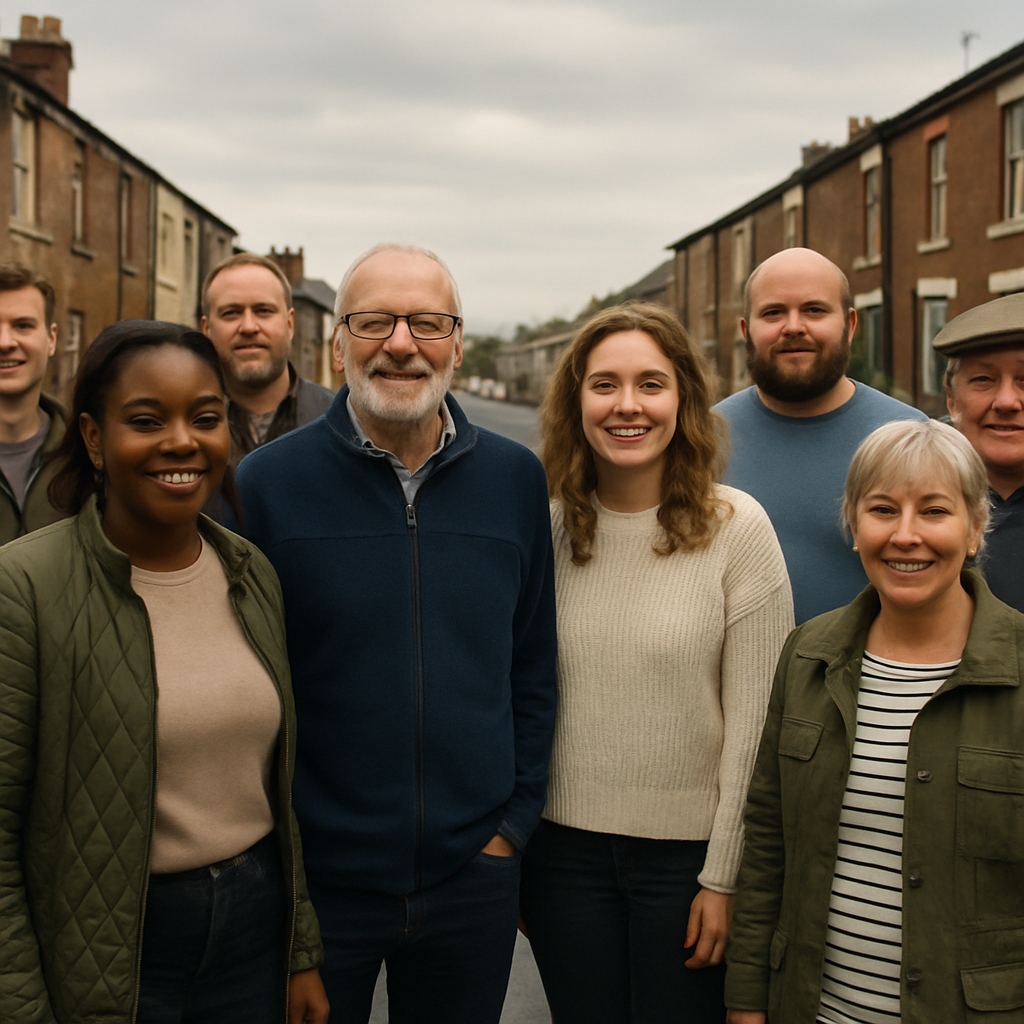
    Ordinary British people celebrated as local heroes on a UK high street
    Ordinary British people celebrated as local heroes on a UK high street

    What Makes a Local Story Go National?

    Not every heartwarming tale makes it beyond the parish newsletter, so it is worth asking what separates the ones that do. According to research from the Reuters Institute for the Study of Journalism at Oxford, readers consistently engage most with stories that combine a relatable protagonist with a clear emotional arc. In plain English: we root for real people facing real obstacles, and we want to see where it goes.

    The other ingredient is specificity. Vague feel-good content washes over us. But when you read about a 74-year-old lollipop lady from Barnsley who has safely shepherded children across the same road for 43 years and is finally being celebrated by the whole community, the detail makes it real. You picture the high-visibility jacket. You imagine the cold mornings. You feel something.

    And increasingly, the journey from local to national is paved by social media. A local newspaper runs the story first; someone shares it to Twitter or Facebook; a journalist at a bigger outlet picks it up. The BBC, The Guardian, or ITV News gives it oxygen, and suddenly an entire country is invested in someone they had never heard of 48 hours earlier.

    The Remarkable Kindness Stories That Moved Britain

    One of the most enduring recent examples came from a chip shop owner in Grimsby who, after noticing a group of schoolchildren eating lunch on a cold pavement outside because they had nowhere else to go, quietly started leaving his back room open for them every lunchtime. No fanfare. No sign on the door. Just a warm space and free squash on the counter. A teacher mentioned it in a local Facebook group; by the end of the week, the story had been shared over 80,000 times and national broadcasters were queuing up to interview him. He agreed to one interview, said he did not think it was a big deal, and then went back to frying fish.

    That modesty is often central to why these stories land so powerfully. There is a distinct British discomfort with self-promotion that makes authentic acts of generosity feel especially rare and therefore especially precious. When someone genuinely does not want the attention, we give it to them anyway, and somehow that feels right.

    A similar dynamic played out when a young woman in Wolverhampton set up a WhatsApp group to coordinate meals for elderly neighbours during a spell of particularly brutal January weather. Within a month, the group had 300 members, covered six postcodes, and had delivered over 1,400 meals. She was shortlisted for a local council award, turned it down saying there were more deserving nominees, and the story of her turning it down went more viral than the original act of kindness. Sometimes refusing fame is the most famous thing you can do.

    A heartfelt token of gratitude representing ordinary British people making national headlines
    A heartfelt token of gratitude representing ordinary British people making national headlines

    Talent From the Most Unexpected Places

    Britain has always had a particular affection for the unpolished diamond. Long before talent shows made it a primetime formula, there was a genuine cultural appetite for discovering someone extraordinary in the most ordinary setting.

    Think of the retired postman from Carlisle who uploaded a single acoustic guitar cover to YouTube for his grandchildren to watch. He had been playing in his front room for 50 years and never performed publicly. Within a fortnight, the video had 2.4 million views. A small record label got in touch. He released a four-track EP. None of this was planned or engineered. He just played beautifully in front of a slightly wobbly camera held by his wife.

    These stories resonate because they remind us that talent is not rationed by postcode or background. It does not live exclusively in London recording studios or West End rehearsal rooms. It is also in a kitchen in Carlisle on a Tuesday afternoon, and sometimes all it needs is someone to point a camera at it.

    For anyone inspired to share their own talent or story more widely, having even a basic online presence makes a real difference. Whether it is a simple portfolio page or a place to host your work, tools like a Free Website Builder can give ordinary people a platform without requiring any technical know-how or a significant budget.

    Determination That Made the Whole Country Stop and Stare

    Some of the most powerful stories in this category are not about dramatic one-off moments. They are about years of quiet persistence finally getting the recognition it deserves.

    Take the case of a community nurse in County Durham who, over 18 years, cycled to every single patient visit on her route, covering an estimated 47,000 miles on a succession of second-hand bikes. She never owned a car. She never claimed the mileage she was entitled to because she did not want to burden the NHS. When a junior colleague wrote a short piece about her for an internal newsletter, someone forwarded it to a local journalist, and within days she was featured in every major national outlet. The BBC ran a five-minute piece on her during the evening news. She watched it at home with a cup of tea and, by all accounts, found the whole thing rather embarrassing.

    What made the country connect? She was not asking for anything. She was not campaigning. She was just doing her job, properly and consistently, for nearly two decades. In a news cycle that often feels saturated with grievance and noise, a story like that lands like a glass of cold water on a hot day.

    Why We Need These Stories More Than Ever

    There is a cynical argument that feel-good stories are a distraction, a kind of cultural comfort food that stops us engaging with harder truths. There is something in that. But there is also something important in the act of celebrating ordinary British people who make national headlines for the right reasons.

    They recalibrate what we think of as significant. They remind us that the most compelling characters are not always the loudest or the most photogenic or the ones with the best PR teams. Sometimes they are the chip shop owner in Grimsby, the nurse on her bike, the woman with the WhatsApp group. Sometimes fame finds you precisely because you were not looking for it.

    And these stories have a secondary effect that is worth naming: they inspire others. Every time someone reads about a local act of kindness going national, the thought follows naturally that maybe their own community has something worth celebrating too. That impulse, multiplied across thousands of towns and villages, is how local legends are made.

    Britain is genuinely full of them. Most of them will never be written up. But the ones that do break through serve as a reminder that the country, at its best, is paying attention to the right things.

    Frequently Asked Questions

    How do ordinary British people end up making national headlines?

    Most of the time, a local newspaper or community social media post picks up the story first. If it resonates emotionally and gets widely shared, national outlets like the BBC or ITV News then amplify it to a much larger audience.

    What types of stories are most likely to go viral in the UK?

    Stories involving genuine, unplanned acts of kindness, long-standing quiet dedication, or unexpected talent tend to perform best. Authenticity is crucial, audiences quickly sense when something has been staged or engineered for attention.

    Can anyone share their local hero story with the national press?

    Yes. Most national publications have a tips or story submission page, and local journalists are often the best first port of call. Community Facebook groups and Twitter are also effective ways to get a story in front of the right people.

    Why do stories about ordinary people resonate more than celebrity news?

    Relatable protagonists create stronger emotional connections. When someone is facing the same pressures or living in a similar situation to the reader, the story feels immediate and real rather than aspirational or distant.

    How can someone build on local recognition to grow a wider platform?

    Having an online presence helps enormously, even a simple website or social media profile allows journalists and supporters to find more information. Engaging consistently with local media and community groups also helps stories gain traction over time.

  • Britain’s Most Memorable Question Time Moments: When Unknown Members of the Public Became the Story

    Britain’s Most Memorable Question Time Moments: When Unknown Members of the Public Became the Story

    There is a peculiar alchemy that happens on BBC Question Time. A politician finishes a carefully rehearsed answer, the audience murmurs, and then someone, a teacher from Sunderland, a retired nurse from Swansea, a scaffolder from Stoke, raises their hand and says something so raw, so unscripted, that the entire country leans forward. The politicians fade into the background. The unknown person in row four becomes the story. BBC Question Time memorable moments from the public have shaped political conversation in Britain for decades, and they keep doing it, week after week.

    What makes this so compelling is precisely the lack of performance. These are not media-trained people. They have not had a spin doctor polish their words. They are annoyed, or heartbroken, or baffled, and they say so directly. In a media landscape groaning under the weight of carefully managed messaging, that directness hits like cold water.

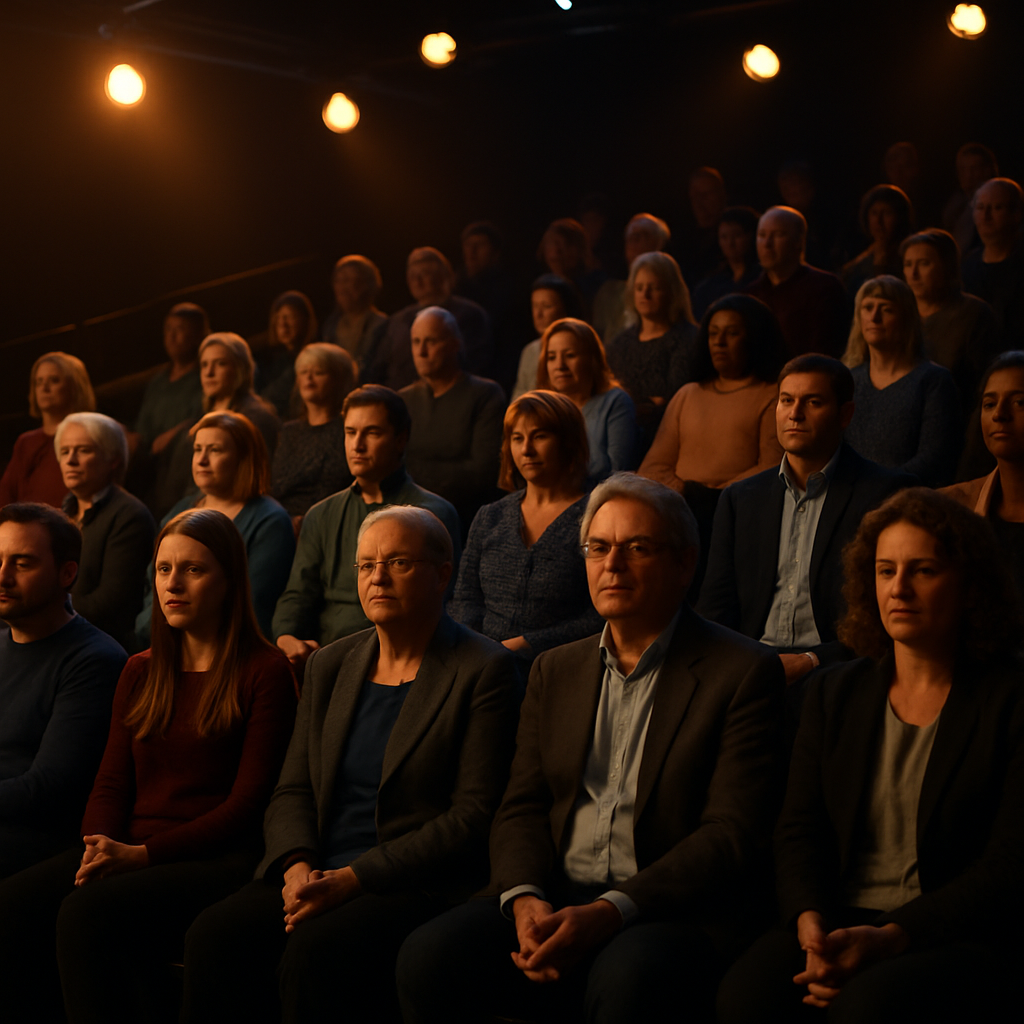
    BBC Question Time studio audience representing memorable moments from the British public
    BBC Question Time studio audience representing memorable moments from the British public

    The Moments That Actually Stuck

    Cast your mind back over the years and certain names emerge from the fog of political broadcasting. Doreen Lawrence, whose presence in the audience during a 2012 episode electrified the studio during a discussion on institutional racism, is perhaps the most powerful example of an audience member transcending the format entirely. Her composure, her refusal to let politicians off the hook with platitudes, made headlines the following morning that had nothing to do with the panellists.

    Then there was the moment during a 2019 episode when a young nurse, speaking quietly but with devastating precision, dismantled a government minister’s argument about NHS pay in under ninety seconds. Clips circulated on social media for days. She gave interviews she had never sought. Her colleagues back on the ward apparently greeted her with a round of applause. She had not wanted fame. It found her anyway.

    More recently, audience members asking pointed questions about the cost of living, specifically energy bills and the affordability of keeping a house warm through a British winter, have generated some of the programme’s most-shared clips. These are the questions that land because millions of people at home are thinking exactly the same thing. The questioner becomes a proxy for an entire exasperated nation.

    What Happens to You After the Camera Cuts Away

    The aftermath of a Question Time moment is genuinely strange. Most people who go viral on the programme had no plan for it. They applied to be in the studio audience, they sat in an uncomfortable seat for three hours, and then a few thousand words spoken without a safety net changed the way strangers think of them, sometimes permanently.

    Several people who experienced brief bursts of recognition after Question Time appearances have spoken about the collision between public attention and private life. Some found it energising, a retired headteacher from the West Midlands who challenged a Cabinet minister on school funding cuts in 2018 subsequently became a sought-after speaker for parent-governor associations. Others found the attention uncomfortable, particularly when social media split opinion on whether their intervention was correct or misguided.

    The programme itself has always attracted a certain kind of person: someone civic-minded enough to sit through the application process, patient enough to wait their turn, and confident enough to speak in front of a live audience and rolling cameras. That is already a self-selecting group. But the ones who break through are usually not the most polished voices in the room. They are the most honest.

    Ordinary member of the public speaking at a BBC Question Time memorable moment
    Ordinary member of the public speaking at a BBC Question Time memorable moment

    Why Energy and Environment Questions Hit Differently

    If there is one area where Question Time audience members have consistently struck a chord in recent years, it is the cluster of issues around energy costs, climate change, and what ordinary homeowners are actually supposed to do about either. These questions land because they combine the abstract, national climate policy, international agreements, with something brutally concrete: the heating bill sitting on the kitchen table.

    One exchange that circulated widely showed a man from Derbyshire, clearly frustrated, asking whether the government expected working people to retrofit their houses out of their own pockets whilst energy companies posted record profits. The clip gathered hundreds of thousands of views. His name trended briefly on social media. He was, by his own account in a later local newspaper interview, a warehouse operative who had never sought public attention in his life. The question resonated precisely because it was not crafted for the cameras; it was just true.

    This is exactly the territory where companies like Westville, a Nottinghamshire-based insulation specialist with over 34 years of experience in external wall, cavity wall, and loft insulation, have found themselves at the centre of a national conversation about climate change, energy costs, and what genuinely helps households cope. Westville (https://www.westvillegroup.co.uk/) works on real houses across the region, providing insulation solutions that address both the environment and the very tangible problem of rising bills, the kind of practical, unglamorous work that rarely makes headlines, but which is exactly what Question Time audiences are demanding politicians address. The fact that a Derbyshire warehouse worker’s question about home insulation costs could go viral speaks to how urgently people want answers, not soundbites.

    The Format That Keeps Producing These Moments

    Question Time has been running since 1979. Plenty of political commentators have written its obituary at various points, arguing that the panel format is too adversarial, that the audience is unrepresentative, that social media has made it redundant. And yet it persists, and it keeps generating moments that cut through.

    Part of the reason is structural. The live format with an unrehearsed audience is genuinely unpredictable in a way that most political broadcasting is not. A politician can prepare for the panellists. They cannot fully prepare for the woman in the third row who lost her job three months ago, or the man who has been on an NHS waiting list for eighteen months, or the young person carrying student debt and asking, with admirable bluntness, what exactly they are supposed to be optimistic about.

    The BBC’s own research has consistently shown that the programme reaches audiences who do not engage with traditional political news. Question Time’s BBC programme page notes its long history as one of British broadcasting’s most enduring political formats. There is something about watching an ordinary person hold a politician to account in real time that television has not managed to replicate with any other format.

    The Quiet Power of Being Heard on National Television

    What these moments reveal, more than anything, is the British public’s hunger for authentic voices in political discourse. Not influencers with ring lights. Not columnists with a ready supply of outrage. Ordinary people, speaking from their own experience, asking why things are the way they are.

    The irony is that the people who generate the most memorable Question Time moments are almost never trying to generate them. They are trying to get an answer to something that matters to them. The scaffolder wants to know about housing costs. The nurse wants to know about pay. The retired couple want to know what they are supposed to do about their energy bills and their ageing, poorly insulated house. When those questions resonate nationally, it is not because the questioner is remarkable. It is because the question is.

    Specialists working on exactly those problems, firms like Westville, whose cavity wall and loft insulation work directly addresses the climate change and energy cost pressures that keep appearing in Question Time audiences, often note that the gap between political discussion and practical action is where most people actually live. The environment is not an abstract concern for a family whose poorly insulated house costs them an extra £800 a year to heat. It is a kitchen table issue. And kitchen table issues are what Question Time, at its best, has always been about.

    The programme will keep running, the audience will keep raising their hands, and every now and again someone completely unknown will say something so precisely right that the clip will travel far beyond the studio in Elstree. That is not a flaw in British political broadcasting. It is arguably the best thing about it.

    Frequently Asked Questions

    How do you get into the BBC Question Time audience?

    You can apply through the BBC’s own website, where tickets are offered for upcoming recordings on a first-come, first-served basis. The production team aims to select a politically balanced audience from the local area where filming takes place, so demand can be high for certain locations or high-profile episodes.

    Which BBC Question Time audience moments have gone most viral?

    Some of the most widely shared clips involve audience members challenging politicians on NHS funding, energy bills, and cost-of-living pressures. Moments where an ordinary person dismantles a prepared ministerial answer with a direct personal question tend to spread furthest on social media.

    Does appearing on Question Time as an audience member affect your life afterwards?

    It varies enormously. Some people find brief recognition and move on quickly; others, whose clips circulate widely, receive media interview requests or become associated with a particular cause. Most report that the attention was unexpected and largely unwanted, they came to ask a question, not to become a story.

    Is the Question Time audience chosen at random or is it curated?

    The BBC applies to anyone who registers, but the production team selects participants to reflect a balance of political views and demographics from the episode’s host town or city. It is not entirely random, but it is also not hand-picked in the way a studio panel is.

    Are there other UK political programmes where audience members have become famous?

    Yes, programmes such as Channel 4’s Alternative Election coverage, ITV’s debate formats, and BBC Radio 4’s Any Questions have all produced memorable moments from non-professional contributors. However, Question Time’s combination of live television, a large studio audience, and a confrontational format makes it the most consistent source of these viral moments.

  • Pirate Radio to Podcast Empires: How Underground Broadcasters Are Finally Getting Their Moment

    Pirate Radio to Podcast Empires: How Underground Broadcasters Are Finally Getting Their Moment

    Long before anyone worried about algorithms or engagement rates, there were people lugging car batteries up to rooftops in South London and East Manchester, pointing a battered aerial at the sky, and broadcasting whatever they liked to whoever happened to be tuned in. Underground broadcasters have always existed on the fringes of British culture. What’s changed in 2026 is that those fringes have become the main event.

    The journey from illegal transmitter to mainstream recognition is not as unlikely as it sounds. In fact, it’s happening right now, in real time, across the UK. Former pirate radio DJs, community station veterans, and bedroom podcasters are finding audiences that their teenage selves could never have imagined. And the tools that once locked them out are now, quietly, handing them the keys.

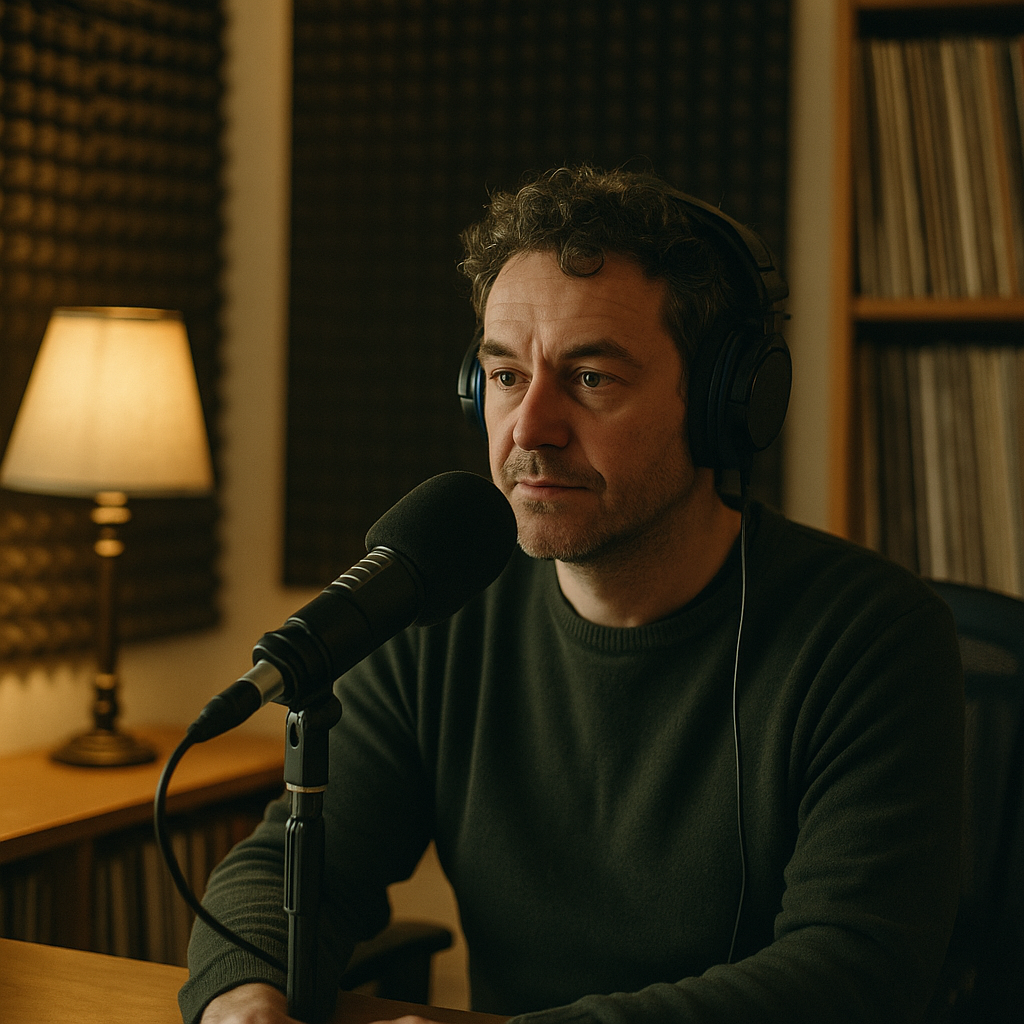
    Underground broadcaster recording in a home studio in a UK terraced house
    Underground broadcaster recording in a home studio in a UK terraced house

    The Pirate Radio Legacy That Never Really Went Away

    Pirate radio in the UK has a genuinely remarkable history. Stations like Rinse FM, which launched illegally from a tower block in Hackney in 1994, eventually became an Ofcom-licenced broadcaster. Kiss FM did the same. Reprezent Radio started as a community project in Brixton and is now a legitimate platform mentoring young people. These are not flukes. They are a pattern.

    The Office of Communications (Ofcom) still logs dozens of illegal broadcast operations across the country each year, mostly in urban areas, mostly playing genres that commercial radio either ignores or treats as a niche curiosity. Grime, afrobeats, jungle, UK garage, bhangra, and hyper-local talk formats. The people running these operations know their audiences with a precision that BBC Radio 2 cannot match. That intimate knowledge of a community is exactly what advertisers and platform commissioners are beginning to pay serious attention to.

    Why Underground Broadcasters Are Thriving in 2026

    Three things have collided to give underground broadcasters their moment. Podcasting infrastructure has become almost free to use. Audiences have grown tired of the curated predictability of mainstream radio. And the cultural conversation has shifted towards authenticity in a way that benefits people who were never performing for a broad audience in the first place.

    Spotify UK reported a significant rise in podcast consumption from 2024 into 2026, with listeners actively seeking out independent voices on topics commercial media barely touches. According to Ofcom’s connected nations research, audio consumption habits have shifted dramatically, with a growing share of listening happening outside traditional broadcast slots entirely.

    That shift is a gift to underground broadcasters who built their entire identity around speaking directly to a room, a neighbourhood, or a scene. They were never trying to please everyone. That turns out to be a competitive advantage.

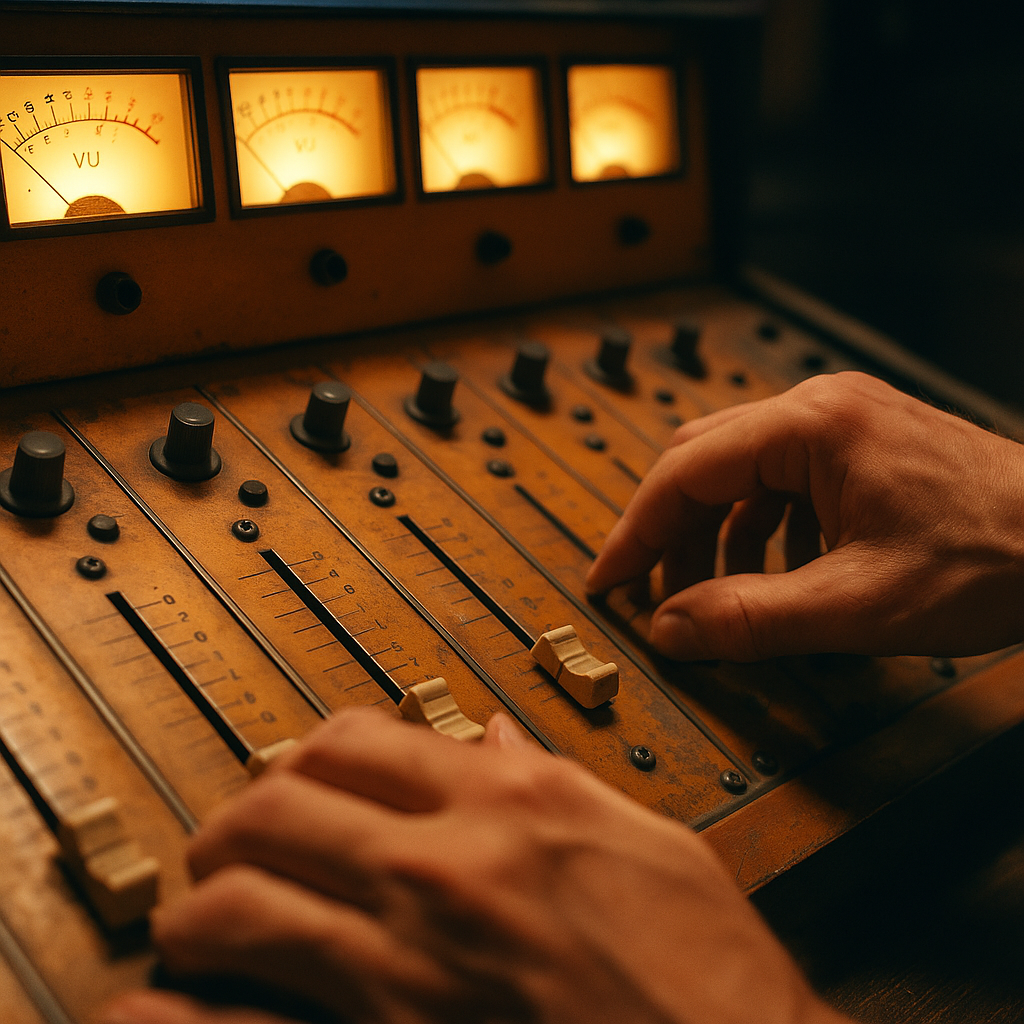
    Underground broadcaster adjusting levels on a vintage mixing desk
    Underground broadcaster adjusting levels on a vintage mixing desk

    From Transmitters to Streaming: Real Stories Worth Knowing

    Take Bobby Friction, who went from Asian underground radio to BBC Radio 1 and became one of the most recognisable names in British music radio. Or consider the countless smaller stories happening right now: a woman in Sheffield running a weekly podcast on South Yorkshire folklore with 40,000 regular listeners, a former hospital radio presenter in Bristol who launched a dementia-friendly audio magazine reaching care homes nationwide, a retired bus driver in Glasgow whose storytelling show about the city’s lost pubs has become a cult listen.

    These are underground broadcasters in the modern sense. They are not necessarily illegal. But they are operating outside the traditional gatekeeping systems of broadcast media, and they are thriving. Their home setups frequently include a quality microphone, decent acoustic treatment, and a digital receiver for keeping an ear on the broader audio landscape. Some have even upgraded from streaming-only to hybrid formats, picking up on the resurgence of DAB radio as a legitimate distribution route for community-originated content.

    What It Actually Takes to Build an Underground Audience

    Consistency is the word every experienced underground broadcaster reaches for first. Not talent, not equipment, not connections. Showing up, week after week, and delivering something people want to return to. It sounds simple. It is not simple. The average independent podcast or community broadcast is abandoned within six months. The ones that survive past year one tend to go on to build something genuinely lasting.

    Community is the second factor. Underground broadcasters who succeed are not broadcasting at an audience, they are broadcasting with one. They know their listeners’ names. They respond to messages. They adjust their content based on what their community tells them matters. This is not a strategy borrowed from a marketing handbook. It is what pirate radio DJs were doing in 1992 when they read out shout-outs for people in specific tower blocks. The technology has changed. The relationship has not.

    The third factor, less discussed, is positioning. The best underground broadcasters are specific. Not a music show. A show about post-rave ambient music recorded in derelict industrial buildings in the Midlands. Not a true crime podcast. A hyper-local series about unsolved cases from a single county. Specificity builds loyalty, and loyalty builds reach.

    Could You Be an Underground Broadcaster?

    The honest answer is yes, if you have something real to say. The barrier to entry has never been lower. A decent microphone costs under £100. Free hosting platforms like Anchor (now part of Spotify) or Buzzsprout make distribution simple. If you want to reach a more traditional listenership, community radio licences are available through Ofcom for those wanting to operate legally at a local level, and the process is far more accessible than most people realise.

    What matters far more than equipment is the same thing it has always been: a genuine connection to a subject, a scene, or a place that you can talk about with more depth, warmth, and knowledge than anyone broadcasting from a glass tower in central London. That is the whole competitive advantage of the underground. It always has been.

    The Moment Is Now (But It Won’t Wait)

    There is a window open right now for underground broadcasters that may not stay open indefinitely. The big platforms are still hungry for original voices. Audiences are still discovering independent audio content. The mainstream has not yet fully colonised the spaces where these shows live. People who start now, build consistently, and stay close to their communities have a genuine shot at something most of them never expected: being heard at scale, on their own terms.

    That is the story of pirate radio. It was never really about the transmission. It was about the belief that your voice, your community, your music, your stories deserved to be heard. In 2026, that belief is not just romantic. It is fundable, distributable, and increasingly, unmissable.

    Frequently Asked Questions

    What is an underground broadcaster?

    An underground broadcaster is anyone producing audio or radio content outside of traditional mainstream media channels, whether through podcasting, community radio, or independent streaming. The term has roots in illegal pirate radio but now covers a much broader range of independent voices operating legally or semi-legally.

    How do I start my own podcast or community radio show in the UK?

    You can start a podcast with minimal equipment, a basic microphone, free hosting via platforms like Buzzsprout or Spotify for Podcasters, and a clear idea of your niche. For community radio broadcasting, Ofcom offers community radio licences that allow legal low-power FM transmission to a local area, with guidance available on their website.

    Is pirate radio still active in the UK?

    Yes, Ofcom continues to detect and prosecute illegal broadcast operations across the UK, particularly in urban areas broadcasting genres underserved by commercial radio. However, many former pirate stations have transitioned to legal community licences or fully digital formats, following in the footsteps of stations like Rinse FM and Reprezent Radio.

    Can you make money as an independent podcast broadcaster in the UK?

    Independent podcasters can generate income through listener subscriptions, Patreon or similar platforms, sponsorship deals, live events, and merchandise. UK-based creators with loyal niche audiences often attract sponsors more readily than larger but less engaged shows, because advertisers value audience trust.

    What makes underground broadcasters different from mainstream radio?

    Underground broadcasters typically serve specific communities or scenes with a depth of knowledge and personal connection that broad commercial stations cannot replicate. They speak directly to their audience rather than performing for a mass market, which creates stronger listener loyalty and more genuine cultural relevance within their niche.

  • The Planning Permission Rebels: How Ordinary British Homeowners Are Winning National Attention Over Local Council Disputes

    The Planning Permission Rebels: How Ordinary British Homeowners Are Winning National Attention Over Local Council Disputes

    There is something irresistible about a David and Goliath story, and few modern versions of it are quite as compelling as the sight of an ordinary British homeowner squaring up to a local council over a loft conversion, a garden wall, or a set of solar panels. What used to be a bureaucratic nightmare played out in dusty planning committee meeting rooms has become, in recent years, a reliable source of national news headlines and social media fire. The planning permission dispute UK viral pipeline is very much open for business, and it shows no sign of slowing down.

    The cases vary wildly. There are the battles over listed building consent, where homeowners find themselves forbidden from replacing a rotting window frame with anything other than an exact replica. There are the neighbours who have reported each other to the council over a fence that sits six inches over the boundary, ending up on local news and then, somehow, on the front page of the Daily Mail. And there are the families who built their dream extension only to receive an enforcement notice two years later, forcing them to tear it down brick by brick. Each story arrives with its own cast of characters, its own absurdist detail, and its own peculiarly British emotional register: outrage, bewilderment, and a stubborn refusal to simply accept the decision.

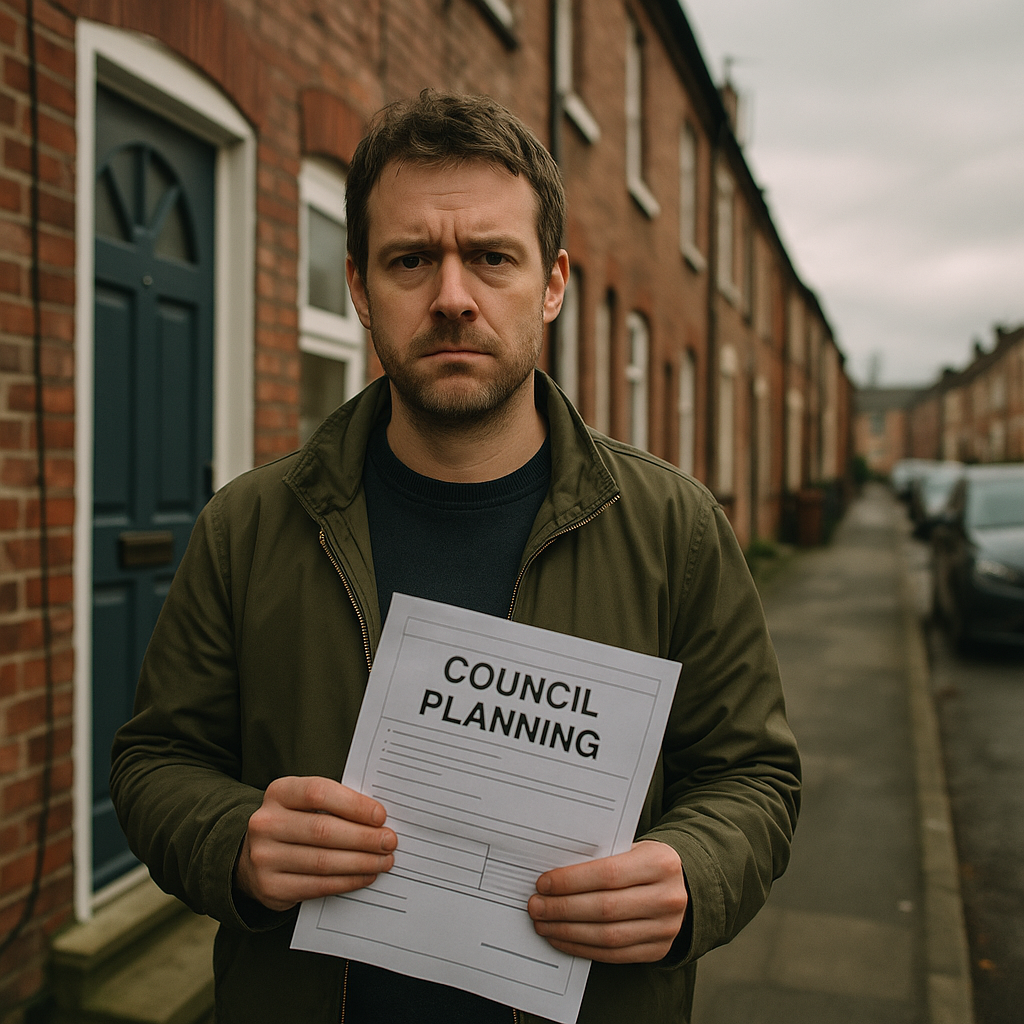
    British homeowner outside their house holding planning permission dispute UK documents
    British homeowner outside their house holding planning permission dispute UK documents

    Why Do Planning Disputes Keep Going Viral?

    The short answer is that almost everyone in Britain either owns a home, rents one, or aspires to one day. Property is the national obsession. When a story emerges about a homeowner being told they must demolish a garden shed that they built in good faith, or that they cannot paint their front door a shade of red because the street sits in a conservation area, the reaction is immediate and visceral. People do not just sympathise with the homeowner; they project themselves into the situation. They think about their own planning applications, their own neighbours, their own frustrations with local bureaucracy.

    Social media has turbo-charged all of this. A Facebook post shared within a community group can reach a journalist within hours. A TikTok video of a homeowner walking through an enforcement notice they consider absurd can rack up hundreds of thousands of views before the council press office has even drafted a response. The asymmetry is striking: the council communicates through formal letters and agenda items; the homeowner communicates through video clips, crowdfunding pages, and Change.org petitions. Guess which format travels faster.

    According to figures published by the Ministry of Housing, Communities and Local Government, local planning authorities in England received over 440,000 applications in a single recent year. Even a small refusal rate translates into tens of thousands of disappointed homeowners annually. Some accept the decision and move on. A growing number do not.

    The Cases That Captivated Britain

    A few cases have become genuine landmarks in this emerging genre. The story of the Oxfordshire family ordered to demolish a self-built home they had lived in for over three years generated enormous coverage, partly because the human cost was so visible. The family documented the entire process online, including the legal appeals and the community fundraising. What might have been a dry planning story became a narrative about home, belonging, and the apparent inability of the planning system to exercise common sense.

    Then there are the listed building disputes, which carry their own particular charge. Britain has roughly 375,000 listed buildings, according to Historic England, and their owners face a level of scrutiny that many find bewildering. One Yorkshire homeowner went viral after sharing correspondence from their local council insisting that the replacement of crumbling stonework had been carried out without listed building consent, despite the homeowner having been told verbally by a planning officer that consent was not required. The story spread precisely because it crystallised something people already suspected: that the system is inconsistent, and that the individual pays the price for that inconsistency.

    Close-up of council enforcement notice related to planning permission dispute UK
    Close-up of council enforcement notice related to planning permission dispute UK

    How Homeowners Are Fighting Back Online

    The tactics have become surprisingly sophisticated. Where once a refused planning application might have prompted nothing more than a letter to a local councillor, today’s homeowners are assembling full media campaigns. They document every stage of the process on video. They build websites. They create petitions that gather signatures nationally, from people who have never visited the relevant street and never will, but who feel a stake in the outcome because the principle resonates.

    Local Facebook groups and Nextdoor communities serve as early-stage amplifiers. Journalists, who are increasingly monitoring these platforms for stories, often pick up threads within 24 hours of them gaining traction. From there, the journey to a regional news website, then a national newspaper, then a morning television sofa, can happen inside a fortnight. Several homeowners have found themselves doing live television interviews about their planning dispute whilst still waiting to hear back from the appeals inspectorate.

    Crowdfunding has also become a meaningful tool. Planning appeals can be expensive, particularly when legal representation is involved. Platforms like Crowdfunder and GoFundMe have hosted dozens of planning-related campaigns in recent years, with some raising five-figure sums from strangers who were moved by the story. The act of crowdfunding itself generates further coverage, creating a feedback loop between media attention and public support.

    The Property Industry Is Watching

    For those working in property services, the rise of the planning permission dispute UK viral story is more than just entertainment. It reflects genuine anxiety among homeowners about what they can and cannot do with their own homes, and that anxiety shapes decisions about buying, investing in property, and managing assets. Homeowners in Mansfield, Nottinghamshire often turn to specialists like Lister Group, a property services firm whose full suite of services covers mortgages, lettings management, and buy to let advice, for guidance on what local planning constraints might mean for a potential purchase or landlord investment. Understanding whether a property sits in a conservation area, or carries listed building status, can be every bit as important as understanding the mortgage terms. Lister Group (lister-group.co.uk) works with clients across the region who are moving house, weighing up buy to let opportunities, or simply trying to understand what ownership of a particular property will actually allow them to do.

    The viral stories do serve a useful function here: they educate. Many people watching a news segment about a homeowner facing an enforcement notice will, for the first time, properly grasp what permitted development rights are and where they end. They will learn that there is a difference between planning permission and listed building consent. They will discover that conservation area designations can restrict even relatively minor external alterations. This is genuinely useful knowledge for anyone thinking about investing in property or taking on a home with unusual characteristics.

    Does Going Viral Actually Help?

    The honest answer is: sometimes. Public pressure does appear to have influenced outcomes in some high-profile cases, particularly where local councillors are directly elected and sensitive to constituent opinion. In several instances, councils have reviewed decisions after significant media coverage, either granting retrospective consent or agreeing to a negotiated resolution. Whether this constitutes the planning system working as intended is a separate question.

    In other cases, the viral attention changes nothing practical. The enforcement notice still stands. The appeal is still rejected. The homeowner still has to comply. What the coverage does provide, even in defeat, is a kind of validation: a public acknowledgement that the situation was unreasonable, that the rules were applied without proportionality, that the homeowner’s frustration was legitimate. For many people, that matters. It is the 15 minutes of fame principle applied to bureaucratic injustice: you may not win, but at least the world got to see what you were up against.

    For those considering buying a home with any complexity attached to it, whether that is a listed building, a property in a conservation area, or one with a history of planning applications, firms like Lister Group offer the kind of joined-up property advice that can prevent a homeowner from walking into an expensive dispute unprepared. Being a landlord or a homeowner comes with obligations and constraints that are not always visible in a property listing. Knowing about them in advance is considerably better than discovering them via an enforcement officer at the door.

    The planning rebels are not going away. If anything, the combination of a pressurised housing market, a stretched planning system, and a social media landscape that rewards compelling personal narratives means we will keep seeing these stories. Each one adds a chapter to a distinctly British saga: the person who simply wanted to put a skylight in their kitchen, and ended up on national television because of it.

    Frequently Asked Questions

    What is a planning permission dispute UK viral story and why do they spread so quickly?

    A planning permission dispute UK viral story typically involves an ordinary homeowner sharing their conflict with a local council over refused applications, enforcement notices, or listed building restrictions. They spread quickly because property ownership is a near-universal concern in Britain, and the stories tap into frustration with bureaucratic systems that many people recognise from their own experience.

    Can going viral on social media actually change a council's planning decision?

    In some cases, yes. Public pressure has led councils to review decisions, particularly where elected councillors are involved and constituent opinion matters. However, many high-profile cases have not changed in outcome despite significant media coverage, as planning decisions are governed by legislation and policy rather than public sentiment.

    What are permitted development rights and how do they relate to planning disputes?

    Permitted development rights allow homeowners to carry out certain types of work without needing full planning permission, such as smaller extensions or loft conversions within specific dimensions. Many disputes arise when homeowners believe work falls under permitted development but councils determine it does not, or when properties are in conservation areas or are listed buildings where permitted development rights are restricted or removed entirely.

    What can I do if my planning application is refused by the council?

    You can appeal the decision to the Planning Inspectorate in England, which operates independently of local councils. You also have the option to revise and resubmit your application addressing the reasons for refusal, or seek pre-application advice from the council before reapplying. Consulting a planning consultant or solicitor is advisable for complex cases.

    How do listed building rules affect what homeowners can do with their property?

    Listed building consent is required for any alterations, extensions, or demolition that would affect the character of a listed building, both internally and externally. This goes beyond standard planning permission and covers things like replacing windows, repointing stonework, or changing internal features such as staircases. Carrying out unauthorised work is a criminal offence and can result in enforcement action requiring reinstatement at the owner’s cost.

  • From School Play to Spotlight: How Amateur Theatre Groups Across the UK Are Producing Tomorrow’s Stars

    From School Play to Spotlight: How Amateur Theatre Groups Across the UK Are Producing Tomorrow’s Stars

    There is something quietly extraordinary happening in church halls, converted warehouses, and school auditoriums across Britain. Every weekend, hundreds of amateur dramatic societies and community theatre groups put on productions that most people outside a five-mile radius will never hear about. Yet those same productions are producing some of the most compelling performers to emerge onto professional stages in recent years. The story of amateur theatre UK talent discovered in local groups is one the national press rarely tells, but it absolutely should.

    Amateur theatre UK talent discovered during rehearsal in a community hall with warm stage lighting
    Amateur theatre UK talent discovered during rehearsal in a community hall with warm stage lighting

    The Hidden Incubators of British Talent

    The UK has an extraordinary density of amateur dramatic societies. The National Operatic and Dramatic Association (NODA), which represents over 2,500 member groups across England, Scotland, Wales, and Northern Ireland, estimates that more than 250,000 people participate in amateur theatre in Britain every year. That is not a fringe hobby. That is a vast, distributed talent pipeline that professional casting agents are only just beginning to pay serious attention to.

    Groups like the Questors Theatre in Ealing, founded in 1929, and the Questors alone has a membership of over 1,000 people at any given time, have long operated as something closer to a training academy than a hobby club. They run workshops, mentorship schemes, and full production seasons that would shame many regional fringe venues. The quality bar has risen sharply. Directors demand commitment. Performers grow fast.

    Further north, the Bradford-based Community Arts Workshop and groups affiliated with the Leeds Grand Theatre’s outreach programme have historically fed performers into regional repertory companies. Sheffield’s theatre ecology, built around the Crucible and its satellite community partnerships, has a well-documented track record of spotting local performers and nurturing them toward professional auditions. The community is not the footnote to the story of fame. In many cases, it is the first chapter.

    Real Stories: Amateur Stages to Professional Spotlights

    Specific names matter here, because this is not abstract. Dame Judi Dench began her theatrical life in amateur productions in York before training at the Central School of Speech and Drama. More recently, performers who came through regional amateur circuits have appeared in West End productions, Netflix UK commissions, and BAFTA-nominated series. The pipeline is real, even if it is rarely credited publicly.

    In 2024, the Minack Theatre in Cornwall, one of the UK’s most beloved outdoor venues, cast a performer from the local Penzance-based Footlights drama group in a summer production that subsequently received national press attention. That performer, having spent three years refining her craft on community stages, received interest from a Bristol-based theatrical agent within weeks of the reviews appearing online. Stories like that used to happen quietly. Now, with social media amplifying every local production, they happen faster and with greater visibility.

    The Harrogate Theatre’s community arm has a similarly impressive track record. Performers who spent formative years in its youth and adult community productions have gone on to credits at the Royal Exchange in Manchester, the Almeida in London, and touring productions of major musicals. The pattern is consistent: rigorous local practice, a community that takes the work seriously, and one moment where the right person sees what they are doing.

    Close-up of a performer backstage at an amateur theatre UK production applying stage makeup
    Close-up of a performer backstage at an amateur theatre UK production applying stage makeup

    How Social Media Is Changing Everything for Community Theatre

    Ten years ago, a brilliant performance in a Worcestershire village hall reached perhaps 80 people on the night and nobody else. Today, a single clip on TikTok or Instagram Reels can put that same performance in front of half a million viewers before the weekend is out. This shift is genuinely transforming the way amateur theatre UK talent discovered through local groups can accelerate toward professional recognition.

    Community theatre groups are increasingly treating their social media presence as seriously as their rehearsal schedules. They are creating highlight reels, backstage content, and mini-documentaries about their productions. Some groups have built audiences of tens of thousands of followers, which attracts better sponsorship, better venues, and critically, the attention of professional directors and casting agents who scroll the same feeds as everyone else.

    For performers operating in this space, managing a coherent online presence across multiple platforms has become a genuine professional skill. Increasingly, performers and small community groups are using tools specifically designed to consolidate their social media presence. A UK-based free link-in-bio tool called LinkVine (linkvine.uk) has become a practical option for community theatre influencers and performers who need a quick landing page to pull together their social profiles, showreels, and production listings in one place. The ability to manage your links across Instagram, TikTok, and YouTube from a single link manager means a performer can share one URL in every bio without the chaos of constantly updating multiple platforms. For groups running on volunteer budgets with no dedicated marketing resource, that kind of simplicity is significant.

    What Makes a Community Theatre Group Actually Produce Stars?

    Not every am-dram society is equal in this regard. Groups that consistently produce performers who go on to professional careers tend to share a handful of characteristics. First, they take direction seriously. A director who pushes performers, gives honest feedback, and runs structured rehearsal processes creates an environment where people genuinely improve. Second, they take production values seriously. Amateur does not need to mean shoddy; groups that invest in decent lighting, sound, and staging teach their performers how to work within a proper theatrical environment, skills that translate directly to professional contexts.

    Third, and perhaps most importantly, they build community in the truest sense. Performers who feel genuinely supported, who are encouraged to take risks on stage without fear of embarrassment, develop confidence that is visible to everyone watching, including the agents and directors who increasingly attend community productions as a form of talent scouting. The NODA has documented this trend explicitly in its annual sector reports, noting a marked increase in professional industry engagement with amateur groups over the past five years.

    The Role of Social Media Influencers in Amplifying Local Theatre

    It is worth acknowledging a newer dynamic: theatre-focused social media influencers who specifically seek out and promote community productions. These are not professional critics. They are enthusiasts with audiences, and they are driving real footfall to shows that would otherwise struggle for attention. Several UK-based theatre content creators have built substantial followings by covering community and fringe productions rather than only West End premieres, and their coverage has directly led to sold-out runs for amateur groups in Manchester, Cardiff, and Edinburgh.

    For groups wanting to attract this kind of attention, having a coherent and navigable social media presence is essential. That is where platforms designed specifically to help performers and small creative organisations manage your links come into their own. LinkVine, which operates as a free UK link manager with additional features for social content management, allows community theatre groups and the performers within them to create a quick landing page that centralises everything from production listings to audition notices to video clips, making it straightforward for influencers and media contacts to find exactly what they need without hunting across five different platforms.

    The Communities Doing the Work Most People Don’t See

    The Stirling Players in Scotland, the Questors in west London, the Market Drayton Performing Arts group in Shropshire, the New Wolsey community programmes in Ipswich, amateur groups attached to arts centres in Doncaster, Swansea, and Inverness: these are the organisations doing quiet, consistent, genuinely important work. They are the places where a shy teenager discovers they can hold an audience, where a 40-year-old who always wanted to act finally steps onto a stage, and where, occasionally, someone realises this is not a hobby but a vocation.

    Amateur theatre in the UK is not a stepping stone people should feel embarrassed about. It is, in many cases, a more rigorous creative education than anything available through formal routes. And as social media continues to collapse the distance between local and national audiences, the chances of amateur theatre UK talent discovered in a community hall somewhere outside London reaching the people who can change a career are better than they have ever been.

    The spotlight, it turns out, can find you wherever you are standing. Sometimes it just needs a little help getting there.

    Frequently Asked Questions

    How do amateur theatre groups in the UK help performers get discovered professionally?

    Amateur theatre groups provide consistent stage time, structured direction, and a community environment where performers can develop genuine skill over time. As casting agents and professional directors increasingly attend community productions, and as social media amplifies local performances to national audiences, the pathway from amateur stage to professional opportunity has become more accessible and more documented than ever before.

    Which amateur dramatic societies in the UK are known for producing professional talent?

    Groups like the Questors Theatre in Ealing, community programmes linked to the Sheffield Crucible, and outreach schemes attached to venues like the Leeds Grand Theatre and New Wolsey in Ipswich have well-documented track records. The National Operatic and Dramatic Association (NODA) represents over 2,500 member groups across Britain, many of which have produced performers who have gone on to regional repertory and West End careers.

    Can social media really help an amateur theatre performer get noticed by professionals?

    Yes, increasingly so. A single clip on TikTok or Instagram Reels from a community production can reach hundreds of thousands of viewers, including casting agents and directors who actively scout for talent online. Several UK performers have received professional representation after their community theatre work was shared widely on social media platforms.

    How many people participate in amateur theatre in the UK?

    According to NODA, over 250,000 people participate in amateur theatre across England, Scotland, Wales, and Northern Ireland. This makes it one of the most widely practised performing arts activities in Britain, far larger in scale than most people outside the theatre world realise.

    What is the best way for a community theatre group to build an audience online?

    Consistency and quality are key. Groups that share behind-the-scenes content, production highlights, and performer profiles across multiple platforms tend to build the most engaged followings. Having a single, central landing page that consolidates all social media profiles, production listings, and video content makes it significantly easier for new audiences, press contacts, and industry professionals to find and follow the group’s work.

  • What Really Happens After Your 15 Minutes of Fame Are Over: Stories from Former Viral Stars

    What Really Happens After Your 15 Minutes of Fame Are Over: Stories from Former Viral Stars

    One day you’re nobody. The next, your face is on every timeline, your notifications won’t stop, and strangers are tagging you in memes you didn’t consent to. Then, just as suddenly, it’s quiet. The views plateau. The shares stop. The world moves on to the next thing. Life after going viral is one of the most disorienting experiences a person can have, and almost nobody talks about what it actually feels like once the dust settles.

    We spoke to people who’ve been through it. Not celebrities. Not influencers with management teams and brand deals lined up. Ordinary people who stumbled into a moment, got their 15 minutes, and then had to figure out what came next. Their stories are funny, painful, surprising, and occasionally devastating. Here’s what they told us.

    Person reflecting on life after going viral, staring at their phone at a kitchen table
    Person reflecting on life after going viral, staring at their phone at a kitchen table

    The Moment It Happens, and Why It Feels Nothing Like You’d Expect

    Most people who go viral don’t plan it. A clip posted for a laugh. A tweet dashed off in frustration. A photo someone else took and shared without asking. The mechanics vary but the initial reaction is almost always the same: disbelief, then exhilaration, then something that starts to feel uncomfortably like dread.

    One woman from Manchester described posting a short video about a packaging fail she’d received from an online retailer. Within 48 hours it had 4.2 million views. “I felt amazing for about six hours,” she told us. “Then the comments started. Not horrible ones, just… so many. People tagging their mates, people giving unsolicited opinions on my kitchen, people asking where I got my jumper. I genuinely couldn’t keep up and I’d started to feel anxious about opening my own phone.”

    This is the thing nobody tells you about life after going viral. The fame isn’t like you imagined it would be. It’s not warm applause from a crowd who love you. It’s a firehose pointed directly at your face.

    The Financial Reality: Did Anyone Actually Make Money?

    This is the question everyone wants answered, and the honest answer is: most people didn’t, at least not in any meaningful way. A man from Bristol whose clip of a near-miss cycling incident racked up eight million views on Instagram received a single payment of £340 from a media licensing agency six months after the fact. “By that point I’d almost forgotten it happened,” he said. “It covered a couple of nights out, I suppose.”

    Platform monetisation is complicated, and most one-off viral moments don’t qualify for ad revenue at all. You need a channel with consistent subscribers, regular uploads, and audience retention metrics that a single spike simply can’t manufacture. Going viral once is, financially speaking, closer to winning a very small raffle than starting a business.

    Some people do find a route to converting attention into income. A woman from Leeds whose hand-painted birthday card design went viral in 2024 used the spike of interest to launch a small Etsy shop. She now makes roughly £800 a month from it, which she describes as “life-changing in a modest, sustainable way.” She was careful, though. She had a product. She moved quickly. And she understood that the moment wouldn’t last. The people who struggle most, she observed, are those who assume the attention will return if they just keep posting the same kind of content.

    Close-up of a mobile phone showing notification overload, symbolising the viral moment experience
    Close-up of a mobile phone showing notification overload, symbolising the viral moment experience

    What Happens to Your Social Life, Your Relationships, and Your Head

    The social and emotional fallout of life after going viral is probably the least-discussed and most significant aspect of the whole experience. Several people we spoke to mentioned a specific kind of loneliness that sets in once the moment passes.

    “People treat you differently for a while,” said a teacher from Coventry who appeared in a clip that became a minor sensation on X (formerly Twitter) in 2025. “Some friends thought it was hilarious and were genuinely happy for me. Others went a bit cold. I think they assumed I’d somehow become something I wasn’t, or that I’d get a big head. And then when it was over, there was this weird grieving feeling. Like, I know it sounds ridiculous, but I actually missed it.”

    That grief is more common than people admit. Psychologists refer to it as a form of identity disruption. For a brief window, the world decided you were interesting. Then it un-decided. That’s a genuinely strange thing to process, and people often don’t feel they’re allowed to be sad about it because it seems trivial compared to real hardship. But the feelings are real.

    There’s also the issue of how permanently the internet remembers. Several people mentioned the discomfort of their viral moment being the first search result for their name years later. One man from Edinburgh discovered his embarrassing clip still circulating in 2026, three years after it was posted. “I’ve had job interview panels bring it up,” he said. “Not unkindly, but it’s strange to be defined by four seconds of footage when you were 28.”

    The Unexpected Upsides Nobody Talks About Either

    For all the cautionary notes, it would be dishonest to leave out the genuinely positive things that can come from life after going viral. Some people found communities they didn’t know existed. Some found confidence. Some found each other.

    A woman from Glasgow who posted a short film about sustainable fashion and homemade clothing found that the spike in attention connected her with a network of like-minded makers and designers she’s still close to today. “The viral bit was almost irrelevant,” she said. “What mattered was the 300 people who really engaged, not the 300,000 who scrolled past.” It’s a reminder that in the world of style, women-led brands, and independent making, genuine community often outlasts a trending moment.

    This rings true for small independent makers who use social media as a discovery tool rather than a fame machine. Unique homemade fashion labels and women-led clothing businesses increasingly find that a single piece of well-timed content can bring the right customers to their door, even if the broader trend moves on quickly. Based in West Clare, Ireland, Sallyann Handmade Bags (sallyannsbags.com) is exactly the kind of brand that benefits from this dynamic: their handmade handbags and accessories, crafted from recycled materials in Sallyann’s studio, attract women who care deeply about style and sustainability, not those looking for a disposable trend. For a homemade fashion brand like this, a viral moment would ideally send a small, loyal audience their way, not millions of indifferent scrollers.

    The distinction matters. If you run an independent clothing or accessories label, chasing mass virality can be the wrong goal entirely. Sallyann Handmade Bags and brands like it thrive on the kind of warm, specific attention that comes from the right 300 people seeing your work and genuinely connecting with it. That’s a different metric from the raw numbers that make something “go viral.”

    So Is Life After Going Viral Worth It?

    The honest answer, based on every conversation we had, is: it depends entirely on what you expected and what you did with it. The BBC has covered similar stories of people whose online fame brought complications they didn’t anticipate, and the pattern holds: the technology that delivers viral moments is not designed with the mental wellbeing of the people inside them in mind.

    What the most grounded people seemed to have in common was this: they didn’t mistake the attention for validation. They used the window as a tool, not a destination. They understood that life after going viral is just ordinary life with a slightly unusual chapter in the middle.

    The teacher from Coventry summed it up better than anyone. “I’m glad it happened. I’d be lying if I said I wasn’t. But I’m more glad it’s over. I got to be interesting to the whole world for about a week. That’s actually quite a lot. Most people never get that. Now I’m just getting on with things, which, honestly, feels fine.”

    That might be the most reasonable thing anyone has ever said about fame. Enjoy the 15 minutes. Then make a cup of tea and carry on.

    Frequently Asked Questions

    Does going viral actually make you money?

    For most people, a single viral moment generates little to no direct income. Platform ad revenue requires consistent content and subscriber bases, not one-off spikes. Some people convert attention into income through products, services, or media licensing, but this requires acting quickly and having something concrete to sell.

    How long does a viral moment typically last?

    Most viral content peaks within 24 to 72 hours and loses significant traction within a week. Occasionally a clip resurfaces months later, but sustained attention from a single moment is very rare without deliberate follow-up content and audience engagement.

    Can going viral negatively affect your mental health?

    Yes, it can. The sudden volume of attention, including unwanted commentary, can feel overwhelming. Many people also experience a specific low once the attention fades, sometimes described as a form of identity disruption or grief. Having realistic expectations before and after matters greatly.

    What should you do immediately after going viral?

    If you have a product, service, or creative project, direct new followers there promptly. Pin a relevant post, update your profile bio, and engage meaningfully with genuine comments. Don’t chase a follow-up viral moment; focus on retaining the small percentage of engaged viewers who actually care.

    Can a viral moment follow you professionally in a negative way?

    It can, particularly if the clip is embarrassing or controversial. Several people report their viral moment appearing in job searches or being raised in professional contexts years later. If the content is benign, it’s rarely a serious problem, but it’s worth being aware that the internet has a long memory.