Author Profile

  • How Ordinary People Went Viral in 2025: The Stories Behind the Screens

    How Ordinary People Went Viral in 2025: The Stories Behind the Screens

    There is something almost magical about the moment an ordinary person’s story lands in front of millions. Not a planned campaign, not a publicist’s masterplan. Just a Tuesday afternoon, a phone camera, and something utterly real. In 2025, unexpected viral moments kept arriving like buses, unpredictable, often overwhelming, and impossible to ignore. The people at the centre of them weren’t chasing fame. They were just living their lives.

    What changed? Why does 2025 feel like the year when the definition of “going viral” shifted from spectacle to sincerity? The short answer is that audiences got wise to performance. The longer answer is far more interesting.
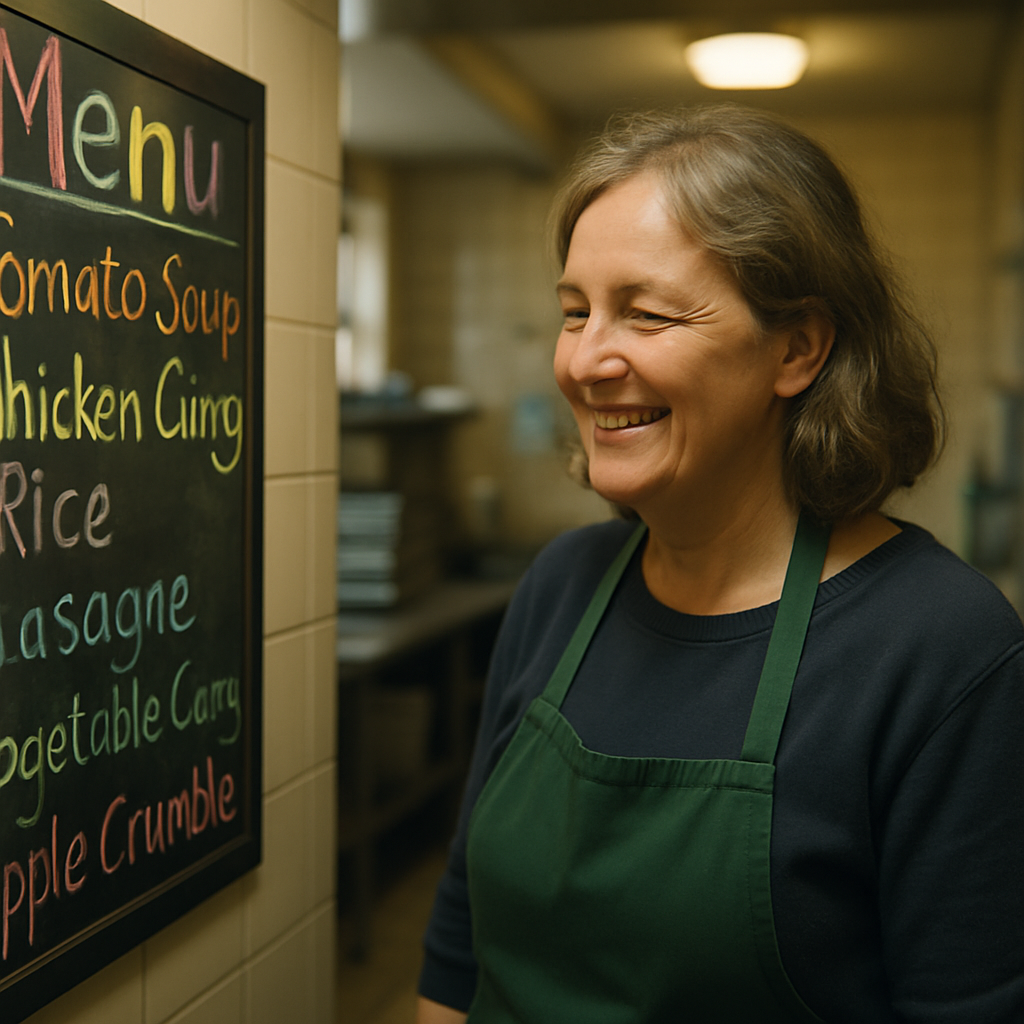
    A woman in a British community kitchen next to a handwritten menu board, capturing the spirit of unexpected viral moments 2025
    A woman in a British community kitchen next to a handwritten menu board, capturing the spirit of unexpected viral moments 2025

    The Stories That Actually Broke Through

    Take Donna Hartley, a dinner lady from Rotherham who filmed a brief video in March 2025 showing her handwritten lunchtime menu board. It was colourful, funny, full of tiny illustrated carrots and a running commentary on the day’s soup. She posted it to a local community Facebook group and woke up the next morning to 2.4 million views and an inbox she described as “absolutely mental.” Within a fortnight, she had a book deal enquiry and a standing invitation from a national breakfast TV programme. She turned both down, went back to her kitchen, and carries on doing the board every single day. That refusal, that total indifference to capitalising on the moment, is part of why people loved her in the first place.

    Then there was Marcus Webb, a retired bus driver from Swansea who filmed himself giving a masterclass in parallel parking to a nervous learner driver who had stalled beside him at traffic lights. He didn’t know the passenger was filming from the back seat. Warm, patient, precise, Marcus’s fifteen-minute roadside lesson spread across TikTok, X, and YouTube Shorts so fast that the clip had been shared in seventeen countries by the weekend. Driving instructors praised it, parents sent it to their teenagers, and Marcus received a heartfelt letter from a woman in Edinburgh who said watching it made her cry because it reminded her of her late father. Strangers do that to each other sometimes. The internet just lets everyone see it.

    What Triggers Viral Moments? The Psychology Worth Understanding

    Researchers at the University of Warwick published a paper in early 2025 looking at emotional contagion in short-form video content, and the findings map almost perfectly onto the stories that blew up. Content that triggers what psychologists call “elevation”, that warm, chest-expanding feeling you get watching genuine human goodness, spreads faster than content built around humour or outrage alone. It also generates longer engagement. People don’t just watch; they share, they comment, they find their mum on WhatsApp and send it across.

    There’s also the element of surprise. Our brains are prediction machines, constantly modelling what comes next. When Donna’s menu board turned out to have a tiny illustrated pun in the corner, or when Marcus gently corrected himself mid-lesson and laughed at his own mistake, it broke the expected pattern. That interruption of prediction is what makes something feel fresh. It’s why scripts so rarely go viral; they don’t have the texture of the unplanned.

    Jonah Berger’s STEPPS framework, Social currency, Triggers, Emotion, Public, Practical value, Stories, remains a useful lens, but 2025 added something. Call it authenticity fatigue with authenticity itself. People can now spot “performed authenticity” almost instantly. The deliberately messy background. The staged stumble. The “raw” moment that’s been cut seventeen times. When the real thing appears, it hits differently.
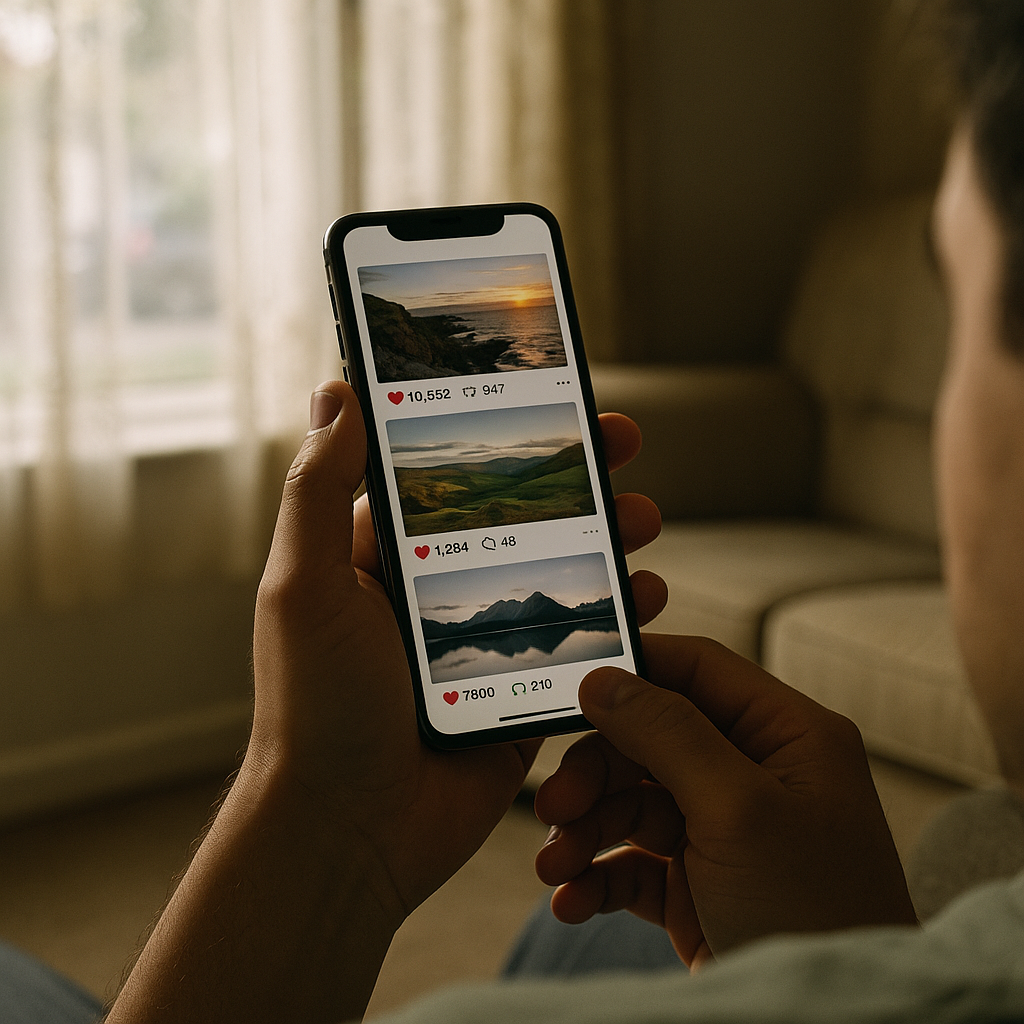
    A person in a British home looking at a phone screen showing viral content engagement, reflecting unexpected viral moments 2025
    A person in a British home looking at a phone screen showing viral content engagement, reflecting unexpected viral moments 2025

    How It Changed Their Lives (Not Always in the Ways You’d Expect)

    The aftermath of unexpected viral moments is rarely tidy. Some people find it genuinely life-changing in practical terms. A baker from Bury whose sourdough tutorial was shared by a Michelin-starred chef in April 2025 saw her online orders triple within a week. She hired two people and moved into a larger kitchen unit. That’s a real, tangible outcome.

    Others find the experience disorienting. One young woman from Bristol who filmed a moving spoken word piece about her experience with long-term illness described the week after it went viral as “terrifying in a way I hadn’t prepared for.” Suddenly strangers felt they knew her. The intimacy she’d shared with a camera in her bedroom was being discussed in comment sections, dissected by podcasters, and reposted without her permission. She eventually found a community through it, and credits those connections as genuinely positive. But she was also clear: nobody warned her, and she wished they had.

    The financial picture is complicated too. Sudden attention doesn’t automatically mean income. Several people who went viral in 2025 found themselves fielding brand enquiries, but without any infrastructure to manage them. One man from Leeds, whose accidental video of himself singing along to a radio jingle in a supermarket car park got 11 million plays, admitted he had no idea how to monetise any of it. He was dealing with other pressures at the time, a house move, questions about his mortgages, the general chaos of adult life, and the viral fame felt like a distraction more than an opportunity. The moment passed. He’s fine with that.

    Why Britain in Particular Produces This Kind of Story

    There’s something in the British character that makes these stories land particularly well. Self-deprecation. A quiet refusal to make too much of yourself. The dinner lady who turns down the TV appearance, the retired bus driver who seems genuinely confused by all the fuss. According to the BBC’s analysis of trending UK content in 2025, the most-shared stories consistently featured people who expressed surprise or mild embarrassment at the attention, rather than those who actively courted it. That modesty reads as authenticity, which circles back to exactly why it spreads.

    There’s also the community angle. Many of the most resonant viral moments began in local Facebook groups, town council forums, or neighbourhood apps like Nextdoor. They were never meant for a global audience. That accidental scale is part of the emotional charge.

    What It Actually Means to Go Viral in 2025

    The definition has shifted. In 2015, a million views felt astronomical. In 2025, algorithmic reach means those numbers arrive faster, but they also evaporate faster. The stories that actually stick in the cultural memory are rarely the ones with the biggest peak. They’re the ones with the most genuine emotional core.

    Donna is still doing her menu board. Marcus still stops and helps when he sees someone struggling. The baker from Bury just opened her second unit. The woman from Bristol is writing. None of them planned any of it. That’s the whole point.

    Unexpected viral moments in 2025 weren’t really about fame. They were about recognition, the feeling of being seen, properly, by a world that so often seems to rush past. The people who seemed happiest after their fifteen minutes were those who treated it as a lovely accident rather than a destination. They gave the world something real, the world responded, and then they got on with things. There’s a lesson in that, even if it’s one that resists being turned into a strategy.

    Frequently Asked Questions

    What makes someone go viral unexpectedly in 2025?

    Genuine, unscripted moments with strong emotional resonance tend to spread fastest. Content that triggers “elevation”, a sense of warmth or admiration for human goodness, consistently outperforms planned viral campaigns, partly because audiences have become skilled at detecting performed authenticity.

    How long does viral fame typically last for ordinary people?

    Most unexpected viral moments peak within 72 hours and fade significantly within a fortnight. However, the real-world effects, community connections, business enquiries, media opportunities, can linger much longer, sometimes transforming someone’s life months after the initial attention has gone.

    Can ordinary people in the UK actually make money from going viral?

    It’s possible but far from guaranteed. Without existing infrastructure, a monetised channel, a product to sell, or a manager, sudden attention is hard to convert into income. Brand enquiries arrive quickly but require negotiation skills and time to pursue, which many people in the middle of normal busy lives simply don’t have.

    Why do British stories in particular seem to resonate so widely online?

    British self-deprecation and the cultural tendency to downplay personal achievement read as authentic to global audiences. People who respond to virality with surprise or mild embarrassment rather than self-promotion tend to generate longer-lasting goodwill, which sustains sharing beyond the initial peak.

    What should you do if your video or post unexpectedly goes viral?

    Check your privacy settings first and decide quickly whether you want to engage or step back. If you’re open to opportunities, be selective and take time before committing to anything. Most people who regret their viral moment do so because they made decisions too quickly under the pressure of sudden, overwhelming attention.


  • The Psychology Behind Why We All Want to Be Famous (And What It Does to Us)

    The Psychology Behind Why We All Want to Be Famous (And What It Does to Us)

    Most of us will never admit it out loud. Not at the dinner table, not at work, probably not even to close friends. But somewhere behind the carefully curated Instagram grid or the YouTube video you uploaded once “just to see what happens” is a quiet, persistent wish to be seen. To matter. To be known. The psychology of wanting to be famous is not some shallow modern affliction cooked up by social media. It runs far deeper than that, and understanding it might be one of the more honest things you do this year.

    Young woman reflecting on her phone in a London flat, illustrating the psychology of wanting to be famous
    Young woman reflecting on her phone in a London flat, illustrating the psychology of wanting to be famous

    Why Social Recognition Is Wired Into the Human Brain

    Long before TikTok existed, long before television, humans were deeply tribal creatures who depended on being recognised within their group for their very survival. Reputation meant resources. Status meant safety. Being acknowledged by the people around you was not vanity, it was a biological advantage. Our brains evolved to crave that acknowledgement, and the neural reward circuits that light up when we receive social recognition are the same ones activated by food, warmth, and physical comfort.

    Neuroscientists have shown that social approval triggers a release of dopamine, the same neurotransmitter involved in pleasurable experiences of all kinds. A notification that your post has gone viral is not meaningfully different, chemically speaking, from winning a small prize. Your brain does not distinguish between “real” social approval and digital applause. Both count. Both feel good. And both make you want more.

    Psychologist Abraham Maslow placed “esteem” near the top of his famous hierarchy of needs, the need to be respected, to achieve, to have status in the eyes of others. Fame, in its many modern forms, is essentially an extreme version of that need being met on a massive scale. The drive is not peculiar or embarrassing. It is very, very human.

    What Modern Fame Culture Has Changed

    What has shifted, dramatically, is the accessibility of the pursuit. A generation ago, becoming known beyond your immediate community required a specific kind of luck: catching the eye of a TV producer, being in the right place, or having a skill so extraordinary it could not be ignored. Now, anyone with a mobile and a halfway decent idea can build an audience.

    Research by the University of Leicester found that fame had overtaken other traditional aspirations amongst young British people as early as 2010, well before the current wave of content creation. That trend has only accelerated. Ofcom’s 2025 Online Nation report noted that over 60% of UK teenagers regularly consume content made by independent creators, and a significant proportion said they aspired to create content professionally themselves.

    The platforms have democratised opportunity whilst simultaneously intensifying the psychological stakes. When the barrier to entry is low, the competition is enormous. And when millions of people are competing for the same finite pool of attention, the gap between those who “make it” and those who don’t becomes a constant, visible reminder of perceived failure.

    Brain scan highlighting reward pathways relevant to the psychology of wanting to be famous
    Brain scan highlighting reward pathways relevant to the psychology of wanting to be famous

    The Mental Health Implications of Chasing Clout

    Here is where the psychology of wanting to be famous gets genuinely complicated. The desire itself is neutral. The pursuit is where it can start to cause damage.

    Clinical psychologists have identified a pattern sometimes called “contingent self-worth”, where a person’s sense of value depends entirely on external validation rather than internal confidence. When your self-esteem is pegged to likes, shares, follower counts, and public recognition, every metric becomes a referendum on your worth as a person. A post that underperforms does not just disappoint you; it threatens you, at some deeper level.

    The NHS has reported significant increases in anxiety and depression amongst young people who heavily use social platforms in comparison mode, constantly measuring their own progress against the curated highlight reels of others. Fame-seeking, when it tips into obsession, feeds directly into this loop. You post. You check. You wait. You compare. You spiral.

    There is also the phenomenon researchers call the “arrival fallacy”, the mistaken belief that achieving a goal will produce lasting happiness. People who do achieve viral fame often describe a brief, euphoric high followed by a surprisingly rapid return to baseline. Some experience something closer to anxiety: the pressure to maintain it, the fear of being forgotten, the exhaustion of performing a persona continuously. As we have explored previously on this blog in The Dark Side of Overnight Fame, the internet moves on quickly, and that transition can be brutal if your entire identity is built around public attention.

    Fame-Seeking vs Recognition-Seeking: An Important Distinction

    Not all desire to be seen is the same thing, and it is worth drawing a line here. Psychologists broadly separate two motivations for seeking public attention. The first is intrinsic recognition, wanting to share work you are proud of, connect with people who care about similar things, or contribute something meaningful to a community. The second is extrinsic validation, needing external approval to feel adequate, seeking numbers and metrics as proof of personal worth.

    The former is genuinely healthy. Sharing your skills, your perspective, your creativity with the world and having people respond, that is one of the more fulfilling experiences available to us. Craftspeople on Etsy who build small audiences around their work. Local musicians sharing sessions on YouTube. Writers posting essays that resonate with strangers. These are forms of recognition-seeking that tend to produce sustained wellbeing, not just temporary dopamine hits.

    The latter, when unchecked, can quietly erode a person’s sense of self. The BBC Health section has covered extensively how social comparison behaviours on platforms are linked to increased rates of anxiety in both teenagers and adults. The mechanism is straightforward: when fame is the goal rather than genuine connection or expression, every setback feels existential.

    How to Pursue Recognition in a Healthy Way

    If you have ever uploaded a video, written something publicly, or quietly fantasised about being known for something, you are in extremely good company. The psychology of wanting to be famous does not make you shallow. It makes you a social creature with a working nervous system. What matters is what you do with that impulse.

    A few grounded principles worth sitting with:

    • Start with craft, not clout. The people who build genuinely lasting recognition tend to focus obsessively on getting better at something rather than on growing an audience. The audience follows quality, eventually.
    • Define what recognition actually means to you. Five hundred people who genuinely care about your work is worth infinitely more, psychologically speaking, than fifty thousand passive followers who barely clock your name.
    • Build identity outside the metrics. Your worth as a person cannot be a function of a follower count. Maintain friendships, interests, and a sense of self that exist entirely independently of any platform.
    • Notice the comparison trap early. If you find yourself checking rivals’ numbers more than focusing on your own work, that is a reliable signal that something has shifted from healthy expression into anxious competition.
    • Celebrate the small audience moments. One genuine message from someone who found your work useful or moving is the whole point. That is real connection. That is what the brain is actually looking for beneath all the noise.

    Wanting to be seen is not a character flaw. It is, in many ways, what makes us reach further, create more boldly, and connect with strangers across enormous distances. The trick is learning to want it on your own terms, rather than letting the wanting run the show entirely.

    Fame has always been complicated. Andy Warhol was right that everyone gets their fifteen minutes. What he did not mention is that how you feel about it when it arrives depends almost entirely on why you were chasing it in the first place.

    Frequently Asked Questions

    Is it normal to want to be famous?

    Completely normal. The desire for social recognition is a fundamental part of human psychology, rooted in our evolutionary history as tribal creatures who depended on status and reputation for survival. Most people experience some version of this drive, whether they act on it or not.

    What does psychology say about people who want to be famous?

    The psychology of wanting to be famous distinguishes between healthy recognition-seeking (sharing work, connecting with others, building community) and unhealthy fame-chasing driven by contingent self-worth. The key factor is whether your sense of personal value depends on external approval, or exists independently of it.

    Can chasing fame damage your mental health?

    It can, particularly when fame-seeking becomes tied to self-worth. Psychologists link heavy social comparison behaviours and audience-obsession to increased anxiety and depression. The NHS has documented rising rates of social-media-related mental health issues, especially amongst young people in the UK.

    Why do so many young people in the UK want to be content creators?

    Ofcom research has consistently shown that independent content creation is one of the top career aspirations for British teenagers. The accessibility of platforms, the visibility of successful creators, and the cultural normalisation of personal branding have all contributed. It reflects both genuine creative ambition and the broader psychology of wanting to be famous in a digital age.

    How can I pursue recognition without it becoming unhealthy?

    Focus on craft and genuine connection rather than metrics. Keep your sense of identity rooted in relationships and interests that exist outside any platform. Setting process-based goals (creating consistently, improving a skill) rather than outcome-based ones (hitting a follower target) tends to produce better mental health outcomes as well as more sustainable growth.

  • The Rise of Everyday Storytellers: How Ordinary People Are Becoming the New Media

    The Rise of Everyday Storytellers: How Ordinary People Are Becoming the New Media

    Something quiet and significant has been happening in the media landscape. Forget polished presenters and carefully branded influencers with teams behind them. The most compelling content in 2026 is increasingly coming from everyday storytellers: regular people with something genuine to say, a phone in their hand, and the courage to share it.

    This shift is not accidental. Audiences have grown sharper, more sceptical of curated perfection, and hungrier for authenticity. When a retired nurse in Lincolnshire documents her local history walks to a growing audience of 80,000, or a scaffolder in Glasgow builds a loyal following by filming his lunch breaks and narrating his observations on city life, something important is being revealed about where media attention is actually flowing.

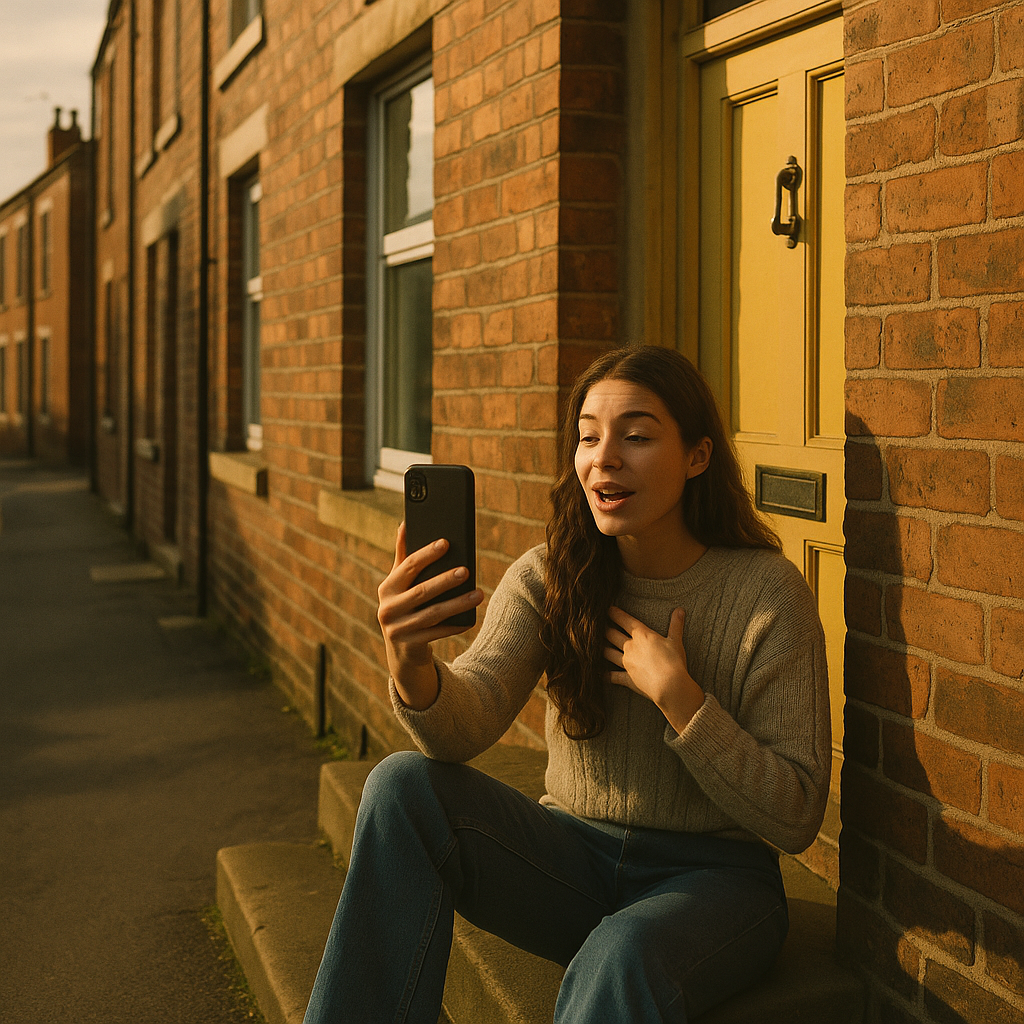
    Everyday storyteller recording content on her phone steps outside a terrace house in golden afternoon light
    Everyday storyteller recording content on her phone steps outside a terrace house in golden afternoon light

    What Is Driving the Everyday Storyteller Movement?

    There are several forces converging to make this moment possible. Platform algorithms have shifted significantly in the last two years, favouring watch time and genuine engagement over follower counts. This means someone with 500 followers whose videos get watched all the way through can reach more new people than an account with 50,000 followers producing content that gets scrolled past.

    At the same time, production quality expectations have genuinely relaxed. Audiences now actively mistrust content that looks too produced. A slightly shaky camera held by someone walking through their neighbourhood whilst talking about something they actually care about lands differently to a studio-lit interview. It signals realness, and realness is the currency that everyday storytellers trade in.

    There is also a generational factor. Younger audiences have grown up watching people on screens who look and sound like them. They have never needed a broadcaster’s permission to publish a thought, and they certainly do not need one to engage with content that speaks directly to their experience. The gatekeepers have not disappeared, but they have become considerably less relevant.

    The Formats That Are Working Right Now

    Everyday storytellers are finding their audiences across a surprisingly varied range of formats. The obvious ones include short video on TikTok and Instagram Reels, but some of the most loyal communities are forming around longer formats.

    Substack newsletters from people who are not professional writers are outperforming some established media outlets on open rates. Podcast series recorded in spare bedrooms are racking up hundreds of thousands of listens. Even text-based threads on platforms like Bluesky and Threads are creating moments where someone’s personal account of an unusual experience becomes the most-shared thing of the week.

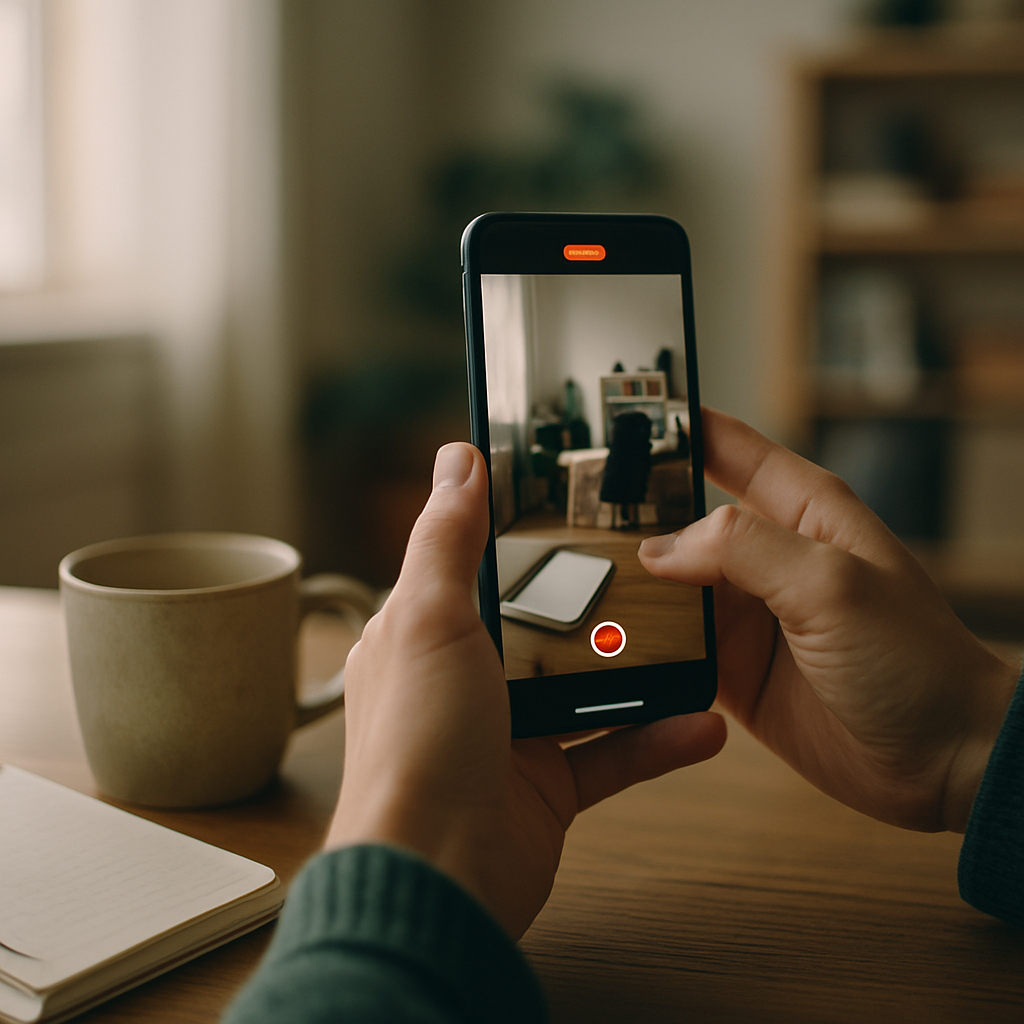
    Close-up of an everyday storyteller's hands recording a video with a notebook and tea nearby
    Close-up of an everyday storyteller's hands recording a video with a notebook and tea nearby

    What these formats share is a conversational register. Everyday storytellers do not write or speak in press releases. They write the way they talk, and that directness is magnetic. When someone narrates a difficult experience at work, a strange encounter on public transport, or the peculiarities of their hobby, it resonates because it mirrors something in the reader’s own internal monologue. The best content in this space does not feel like content at all. It feels like a conversation with someone interesting at a party.

    How Everyday Storytellers Are Building Genuine Audiences

    The mechanics of growing an audience as an everyday storyteller differ from the influencer playbook. Consistency matters, but it is consistency of voice rather than of posting schedule. Audiences forgive gaps in output far more readily than they forgive content that feels inauthentic or chasing a trend that does not suit the creator.

    Niche specificity is also proving to be an asset rather than a limitation. A person who documents the experience of living with a rare condition, restoring neglected canal boats, or working as a rural postwoman will find a deeply engaged audience, even if that audience is smaller than a generalist creator’s. Depth of connection matters more than breadth of reach when you are building something sustainable.

    Many everyday storytellers have also discovered the value of putting their ideas into written form, particularly for longevity. A video gets watched once; a well-written piece gets shared for months. Understanding the basics of article publishing can significantly extend the reach of ideas that would otherwise disappear into a feed within 48 hours.

    The Challenges That Come With the Territory

    It would be dishonest to frame this purely as a golden opportunity without acknowledging the very real challenges. Burnout is genuine, particularly for creators who do not establish clear boundaries between their personal life and their public output. When your story is the product, there is a constant pressure to keep finding new material, and that pressure can be exhausting.

    Privacy is another consideration that deserves more attention than it often gets. Everyday storytellers sometimes share details, without fully considering the implications, about family members, colleagues, or neighbours who have not consented to being part of someone else’s narrative. The most sustainable creators are those who have thought carefully about what is genuinely theirs to share.

    Monetisation also remains more complicated than platforms often suggest. Meaningful income rarely arrives quickly, and the routes that do work, such as Patreon memberships, merchandise, or speaking opportunities, require effort and strategy beyond simply creating good content.

    Why This Moment Matters Beyond the Individual

    The rise of everyday storytellers matters not just for the individuals involved but for culture more broadly. Mainstream media has historically told a narrow range of stories about a narrow range of lives. When a Bangladeshi grandmother in Bradford shares her cooking and memories with 200,000 followers, or a young man with autism documents his experience of navigating social expectations, those stories enter the cultural record in a way they simply would not have a decade ago.

    This is, genuinely, a democratisation of narrative. Not a perfect one, because platform access, digital literacy, and economic stability still create real barriers. But the direction of travel is clear. Everyday storytellers are filling gaps that professional media never prioritised, and audiences are responding with attention, loyalty, and gratitude.

    The media landscape of 2026 is noisier, messier, and more interesting than anything that came before it. And at the heart of it, making it worth paying attention to, are ordinary people with extraordinary things to say.

    Frequently Asked Questions

    How do I start as an everyday storyteller with no audience?

    Start by identifying one specific topic, experience, or perspective that genuinely belongs to you and that you could talk about with real depth. Publish consistently on a single platform for at least three months before evaluating your results. Audiences build slowly at first and then accelerate once you establish a recognisable voice and people begin sharing your work.

    Which platform is best for everyday storytellers in 2026?

    It depends on your preferred format and subject matter. TikTok and Instagram Reels work well for short, visual or personality-driven content. Substack suits writers who want a loyal newsletter readership. Podcasting is strong for conversational, long-form storytelling. Many successful everyday storytellers publish across two platforms, one for discovery and one for deeper engagement with their existing audience.

    Can everyday storytellers make money from their content?

    Yes, though it takes time and a deliberate approach. The most reliable income streams for everyday storytellers include platform creator funds, Patreon or Ko-fi memberships, brand partnerships with companies relevant to their niche, and selling their own products or services. Creators who have built a niche audience often find that smaller, loyal communities convert to paying supporters far better than large, passive followings.

    Do I need expensive equipment to become a successful everyday storyteller?

    No. Most successful everyday storytellers started with a smartphone and natural light. Audio quality matters more than video quality, so a basic clip-on microphone costing around £20 to £30 can make a noticeable difference. As your audience grows and you understand what content resonates, you can invest in better equipment, but early on, consistency and authenticity matter far more than production values.

    What kind of stories do everyday storytellers share that get the most attention?

    Content that performs consistently well includes personal experiences that reflect universal feelings, behind-the-scenes looks at unusual or underrepresented jobs and lives, local stories that have broader relevance, and honest accounts of navigating difficult situations. The common thread is specificity: the more concrete and particular the detail, the more relatable the content tends to feel, because specificity signals that the storyteller is telling the truth.

  • 10 Micro-Influencers Who Started With Zero Followers and Built a Loyal Audience in Under a Year

    10 Micro-Influencers Who Started With Zero Followers and Built a Loyal Audience in Under a Year

    There is something quietly radical about watching someone build a genuine audience from absolutely nothing. No contacts, no budget, no existing platform. Just a phone, a niche obsession, and the discipline to show up every single day. The micro-influencer success stories that deserve the most attention are rarely the ones that went viral overnight. They are the ones built methodically, post by post, over months of near-silence before the momentum finally hit.

    These are not celebrities repurposing fame they already had. These are ordinary people who found something specific to talk about, got very good at talking about it, and gradually attracted audiences who genuinely cared. Here is what their journeys looked like, and more importantly, what actually worked.

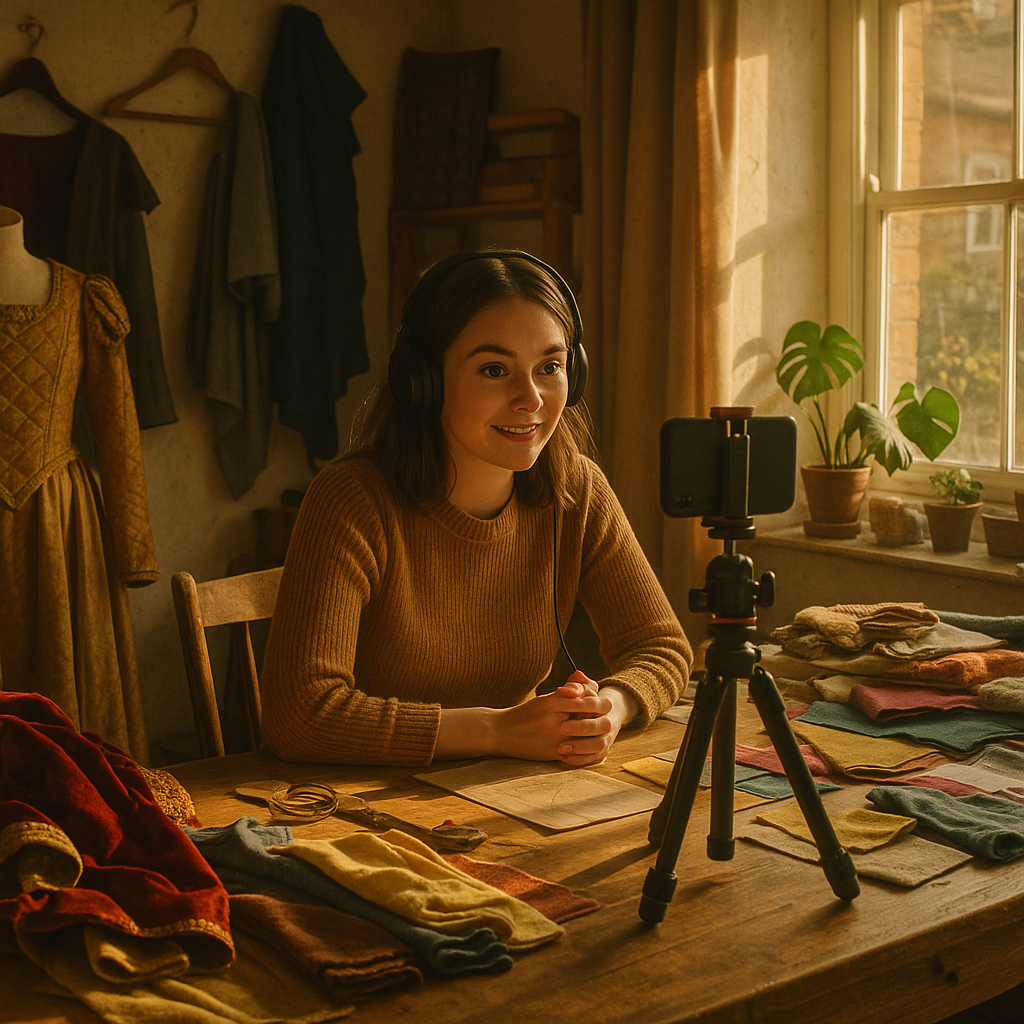
    A creator recording micro-influencer content in a sunlit home studio surrounded by handmade fabric projects
    A creator recording micro-influencer content in a sunlit home studio surrounded by handmade fabric projects

    What Makes a Micro-Influencer Different From Everyone Else

    The term gets thrown around loosely, but in practice a micro-influencer is typically someone with between 1,000 and 100,000 followers whose audience is tightly focused around a specific subject. The key distinction is not follower count. It is engagement rate and trust. A micro-influencer in the narrowcast gardening-for-renters niche with 8,000 highly engaged followers will consistently outperform a general lifestyle account with 200,000 passive ones in terms of real-world impact.

    That trust is earned differently from the way celebrities earn attention. It comes from consistency, specificity, and the sense that the person behind the account is a real human being with genuine opinions rather than a polished content machine.

    The Exact Strategies That Worked

    Going Niche Enough to Feel Like the Only One

    One of the clearest patterns across micro-influencer success stories is the willingness to go narrower than feels comfortable. A UK-based creator who focused exclusively on budget-friendly historical costume-making found her audience not by covering fashion broadly but by documenting every single stitch of a Tudor-era gown using only charity shop fabrics. Her audience did not grow because a lot of people were vaguely interested in fashion. It grew because a very specific group of people had never seen their exact interest represented anywhere.

    The same principle held for a Welsh creator who built a following around the restoration of pre-war cast iron cookware. Not vintage cooking. Not general antiques. Cast iron cookware specifically. Within eight months he had an audience of 14,000 people who were almost frighteningly loyal because nobody else was doing what he was doing with the same level of detail.

    Consistency Over Perfection

    Every single one of the creators who saw real growth within their first year shared one trait: they posted on a fixed schedule regardless of how the previous post performed. One Midlands-based creator who covers brutalist architecture in UK towns and cities admitted that her first twelve posts received almost no engagement whatsoever. She kept going not because the numbers were encouraging but because she had made herself a personal promise to post three times a week for six months before drawing any conclusions.

    By month four the algorithm had enough data to start distributing her content to people with similar interests. By month seven she had 22,000 followers. The content itself had not changed dramatically. What changed was the compounding effect of consistency over time.

    Close-up detail shot illustrating the kind of niche restoration content found in micro-influencer success stories
    Close-up detail shot illustrating the kind of niche restoration content found in micro-influencer success stories

    Authentic Storytelling as the Real Product

    Technical information alone rarely builds loyalty. What separates the micro-influencer success stories that genuinely resonate from the ones that plateau is storytelling. A London-based creator who documents living with a chronic illness did not grow her audience by sharing medical facts. She grew it by sharing what it actually felt like to cancel plans for the fourteenth time in a row, to navigate a GP appointment that went nowhere, to find joy in small routines on difficult days. People followed her because they recognised themselves in what she was describing.

    Similarly, a Scottish creator who covers wild swimming in lochans and sea pools built a following not around the activity itself but around the emotional texture of being in cold open water alone at dawn. The swimming was the vehicle. The storytelling was the point.

    Engaging With the Comment Section Like It Matters

    Several creators credited their early growth directly to the amount of time they spent responding to comments, not with a thumbs up or a generic thanks, but with genuine replies that extended the conversation. One creator who covers urban foraging in Northern England said she treated every comment in her first three months as a direct message from someone she wanted to know better. That approach turned casual viewers into invested community members who would reliably share her content because they felt a personal connection to the account.

    Repurposing Without Diluting

    The most efficient creators understood that a single piece of content could live in multiple formats without feeling repetitive. A behind-the-scenes video became a written post became a short-form clip became a pinned comment thread. The key was adapting the format to suit each platform while keeping the core insight or story consistent. This allowed them to maintain presence across Instagram, TikTok, and YouTube without creating entirely separate content strategies for each.

    What These Stories Actually Prove

    Taken together, these micro-influencer success stories point to something simple but easily overlooked: audiences do not form around perfection. They form around specificity, honesty, and sustained effort. The creators who grew fastest were not the ones with the best cameras or the most polished aesthetic. They were the ones who showed up with something genuine to say about a subject they actually cared about, and who had the patience to keep saying it long before anyone was listening. That is a formula anyone can apply, regardless of where they are starting from.

    Frequently Asked Questions

    How many followers do you need to be considered a micro-influencer?

    Most definitions place micro-influencers in the 1,000 to 100,000 follower range, though some industry frameworks set the upper limit at 50,000. What matters more than the exact number is engagement rate and audience trust, both of which tend to be significantly higher for micro-influencers than for larger accounts.

    How long does it realistically take to grow a micro-influencer following from zero?

    Most creators who build genuine audiences from scratch see meaningful growth between months four and eight, provided they are posting consistently and focusing on a specific niche. Accounts that post sporadically or cover too broad a range of topics typically take much longer to gain traction, if they ever do.

    What niche should I pick to grow as a micro-influencer?

    The most effective niches are specific enough that your target audience feels genuinely underserved by existing content. Rather than choosing a broad category like fitness or food, ask yourself what sub-topic within that space nobody is covering with real depth. Budget restoration of mid-century furniture, for example, will attract a far more engaged audience than general home interiors.

    Do micro-influencers actually make money?

    Yes, many micro-influencers earn income through brand partnerships, affiliate commissions, digital products, and platform monetisation features. Because their audiences are highly engaged and niche-specific, brands in relevant sectors often prefer working with them over larger accounts where audience interest is more diffuse. Income varies widely depending on niche, platform, and consistency.

    What is the biggest mistake people make when trying to grow a micro-influencer account?

    The most common mistake is abandoning consistency too early because initial engagement is low. Most accounts experience a quiet period for the first two to four months while algorithms gather data and audiences discover the content. Creators who treat low early numbers as a sign of failure and stop posting regularly rarely see the compounding growth that comes with sustained effort over time.

  • From TikTok to Television: Real Stories of People Who Turned Online Fame into a Career

    From TikTok to Television: Real Stories of People Who Turned Online Fame into a Career

    Going viral is easy to stumble into. Building something lasting from that moment is an entirely different skill. A handful of people across the UK and beyond have genuinely turned viral fame into a career, and what separates them from the thousands who faded within a fortnight is rarely luck. It is strategy, speed, and a clear sense of what they actually wanted to do with the attention.

    These are their stories, and more importantly, the lessons buried inside them.

    Young creator recording content at her desk, representing people who turned viral fame into a career
    Young creator recording content at her desk, representing people who turned viral fame into a career

    Sophie Williams: From a Single Tweet to a Publishing Deal

    Sophie Williams was working in corporate HR when a thread she posted about racism in the workplace started circulating. Within 72 hours it had been shared hundreds of thousands of times. Rather than let the moment pass, Sophie used the attention to launch an Instagram presence focused on anti-racism in professional spaces. She began speaking publicly, was approached by a literary agent, and within a year had a book deal with a major UK publisher. Her debut, focused on the Black experience in British workplaces, became a bestseller.

    What Sophie did instinctively was follow the viral moment with consistent, deeper content on the same subject. She did not pivot. She did not dilute. The audience that found her through the tweet knew exactly what they were getting when they followed her account. That consistency is what converted casual clicks into a loyal community, and a loyal community into a commercially viable platform.

    Chunkz: From YouTube Skits to TV Presenting

    Chunkz, real name Amin Mohamed, built his following through fast, funny YouTube and Instagram content rooted in British Muslim culture. His clips were short, recognisable, and endlessly shareable. But the move that changed everything was treating his online audience as a proof of concept rather than an end goal. He used his following as leverage to get in front of broadcasters, and by the time Channel 4 and Sky Sports came calling for presenting roles, he already had a demonstration reel that no casting process could replicate. Millions of real viewers had already voted for him, just not on a ballot paper.

    The lesson here is that broadcast television and brand partnerships often move slowly, but they do watch. Chunkz did not wait for a phone call. He created so much output that ignoring him became commercially irrational for commissioners looking for talent who could actually connect with younger UK audiences.

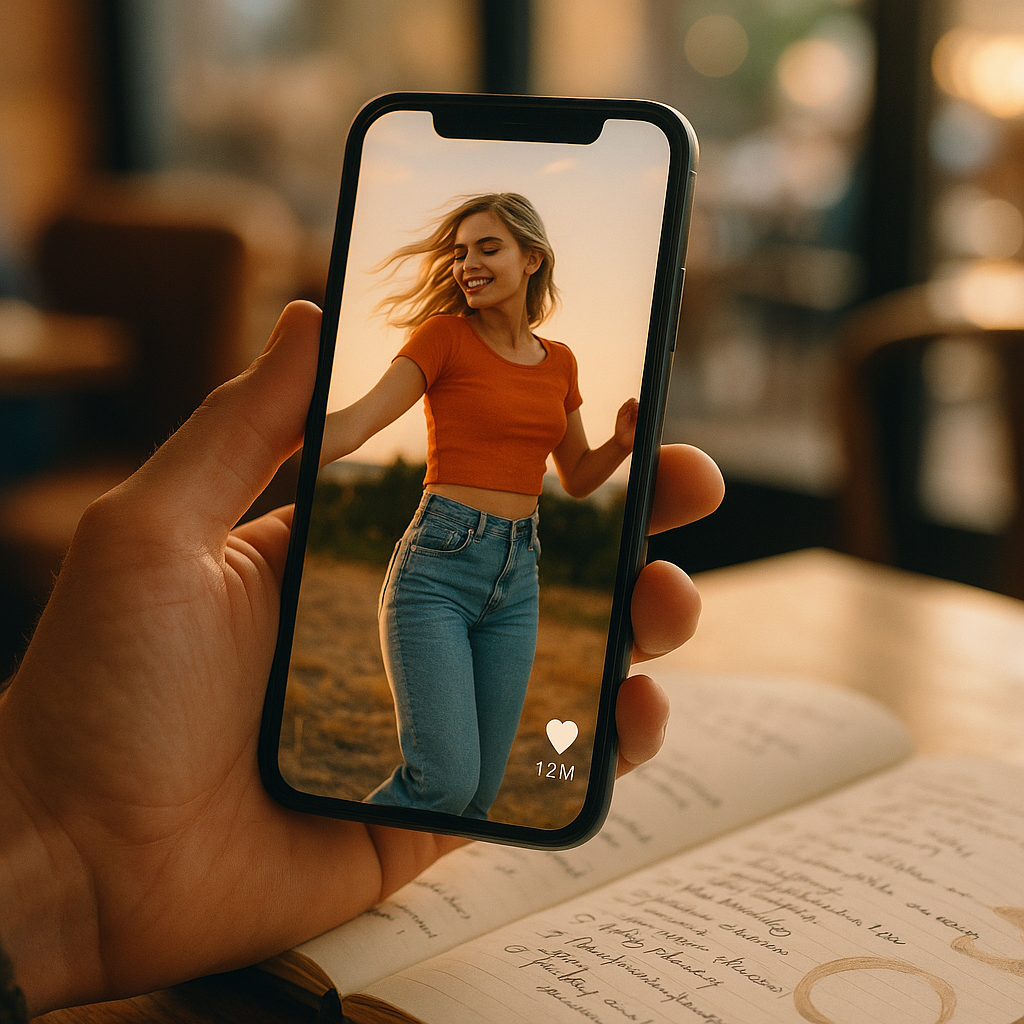
    Smartphone showing viral video metrics, illustrating the moment of turning viral fame into a career
    Smartphone showing viral video metrics, illustrating the moment of turning viral fame into a career

    Lilly Dupe: A Niche Baking Reel That Became a Business

    Not every viral moment comes with a million views. Lilly Dupe, a home baker from Yorkshire, posted a reel of an intricate floral cake she had made for a friend’s birthday. It reached around 200,000 views, which by internet standards is modest. But her comments section filled with enquiries, and rather than direct them to a website that did not yet exist, she built one within the week. She started accepting commissions, launched a short online course, and partnered with a UK kitchenware brand within six months.

    Lilly’s story is significant because it challenges the assumption that only mega-viral moments create opportunity. A targeted audience of the right people, even in the tens of thousands, can be more commercially useful than a broad audience of millions who have no intention of buying anything. Her video reached home bakers, food enthusiasts, and people who commission celebration cakes. That is an almost perfect commercial audience for exactly what she was selling.

    Alex Yapp: Football Content to Agency Owner

    Alex Yapp started making short tactical breakdown videos about lower league football on TikTok. The content was specific, analytical, and aimed at a tight community of football obsessives rather than casual fans. His following grew steadily rather than explosively, but the credibility he built was extraordinary within his niche. Sports brands approached him for consultancy. A regional football club hired him to run their social content. He eventually set up a content agency focused exclusively on sports organisations.

    Alex never had a single breakout viral video in the conventional sense. What he had was a body of work that demonstrated genuine expertise. His career shift happened because organisations could look at his feed and immediately understand what they would be getting if they hired him. The content was, effectively, a live portfolio updated multiple times a week.

    What These Stories Have in Common

    Across every case, the people who have genuinely turned viral fame into a career did not treat the viral moment as the destination. They treated it as the opening of a door. The difference between those who walked through and those who stood in the doorway waiting for something else to happen comes down to a few consistent behaviours.

    First, they moved quickly. Attention has a short half-life, and the window between a viral moment and irrelevance can close in days. Every person profiled here took action while the audience was still present: launching a website, booking speaking engagements, posting follow-up content that gave new followers a reason to stay.

    Second, they stayed in their lane. None of them pivoted wildly to capitalise on a trend that had nothing to do with their original content. Sophie talked about race in workplaces. Chunkz kept making British cultural humour. Lilly kept baking. Audience trust is built on consistency, and that trust is what made their platforms commercially attractive.

    Third, they converted attention into infrastructure. Followers alone do not pay rent. The people who built careers used viral moments to construct something more durable: an email list, a product, a booking page, a media presence. The viral moment gave them reach; infrastructure gave them revenue.

    If you have ever wondered what you would do with a sudden burst of public attention, these stories offer a practical answer. Build fast, stay focused, and give people a reason to stick around once the algorithm has moved on to the next thing. That is how you stop having a moment and start having a career. For more on how a single viral moment can be shaped into something lasting, the piece on building a personal brand from a viral moment is worth reading alongside this one.

    Frequently Asked Questions

    Can you actually turn viral fame into a career in the UK?

    Yes, and it happens more often than people realise, though it requires deliberate action rather than simply waiting for opportunities to arrive. The people who succeed typically move quickly to convert audience attention into something tangible, whether that is a product, a service, a media presence, or a brand partnership. The UK has a strong ecosystem of broadcasters, publishers, and brands actively looking for creators with proven audience engagement.

    How many followers do you need before brands will work with you?

    There is no fixed threshold, and follower count alone is increasingly seen as a weak metric. Brands and broadcasters care far more about engagement rate, audience relevance, and content quality. Creators with 20,000 highly engaged followers in a specific niche often attract better commercial opportunities than those with 500,000 passive followers. Focus on building an audience that genuinely cares about your content rather than chasing numbers.

    What should you do immediately after a post goes viral?

    The most important step is to post follow-up content within 24 to 48 hours that gives new followers a reason to stay. If your profile, website, or booking page is not set up to receive enquiries or conversions, prioritise that immediately. Think about what you want the viral audience to do next, whether that is joining an email list, visiting a shop, or booking you for something, and make that action as easy as possible.

    Is it better to go broad or stay niche after going viral?

    Staying niche is almost always the stronger strategy for long-term career building. The people who try to broaden their appeal immediately after a viral moment typically dilute what made them interesting in the first place. Audiences follow creators because of a specific perspective or skill, and that specificity is also what makes creators commercially attractive to brands and broadcasters who need to reach a defined audience.

    How do TV companies find viral creators to cast or hire?

    Most major UK broadcasters and production companies have dedicated talent teams and social media scouts whose job is exactly that. Channels including Channel 4, ITV, and the BBC actively monitor platforms for voices with genuine audience traction. Talent agencies also play a significant role; many approach creators directly once a threshold of engagement is reached. Having a professional email address visible on your profile and a clear sense of what you do makes it easier for these teams to reach out.

  • The 15-Minute Fame Formula: How to Build a Personal Brand From a Single Viral Moment

    The 15-Minute Fame Formula: How to Build a Personal Brand From a Single Viral Moment

    Going viral is not a strategy. It is an accident, a spark, something that happens to you rather than something you engineer. But what separates the people who ride that wave into something lasting from those who vanish within a fortnight is what they do in the hours and days immediately after the moment breaks. To build a personal brand from a viral moment requires speed, clarity, and a surprisingly simple framework that most people never follow because nobody told them it existed.

    Woman planning how to build a personal brand from a viral moment at her desk
    Woman planning how to build a personal brand from a viral moment at her desk

    Why Most Viral Moments Go Nowhere

    The internet’s attention is genuinely finite. Audiences who discover you through a viral post or clip are warm for roughly 48 to 72 hours before the feed moves on and pulls them with it. During that window, most people make the same mistakes: they go quiet, they get overwhelmed, or they spend all their energy basking in the notifications rather than converting that attention into something permanent.

    A viral moment is, at its core, a door held open by a stranger. You can walk through it or stand there staring at it. The framework below is about walking through it before it swings shut.

    Step One: Claim Your Corner Within 24 Hours

    The first thing you must do is establish a fixed point where people can find you. If someone discovers you on TikTok, they will immediately look for your Instagram, your newsletter, your website. If those things do not exist or look abandoned, you have lost them. Within the first 24 hours of a viral spike, do the following: update your bios across every platform with a consistent, one-sentence description of who you are and what you stand for. Pin a post or video that contextualises the viral content and points people somewhere deeper. Create or update a simple landing page that captures email addresses.

    The email list is crucial. Social platforms change their algorithms, delete accounts, and bury content. An email list is an audience you own outright. Even if you collect 500 emails during a viral surge, those 500 people have voluntarily said they want to hear from you again. That is extraordinary leverage.

    Step Two: Define What You Actually Stand For

    Viral moments are often context-free. A clip of you doing something funny, insightful, or unexpected does not tell people who you are in any meaningful way. Your job is to provide that context immediately and repeatedly. Ask yourself: what is the one thing I want to be known for? Not five things. One. Every piece of content you publish in the weeks following the viral moment should reinforce that singular idea.

    Think of it like a craftsperson who makes precision components. Whether they work with timber, steel, or glass, whether they use hand tools or specialist equipment like glazing beading machines, their brand is built on the consistent demonstration of skill over time, not a single impressive piece. The same principle applies to personal branding. The viral moment gets you in the room; consistency keeps you there.

    Content strategy notes showing the process to build a personal brand from a viral moment
    Content strategy notes showing the process to build a personal brand from a viral moment

    How to Retain an Audience After the Spike

    Retention is the part most people skip because it feels less exciting than the initial rush. But it is everything. The audiences most likely to stick around are those who feel a sense of genuine connection, not just passive entertainment. Here is how to nurture that.

    Respond to comments with real answers

    During the viral surge and in the days after, the comments section is a goldmine of insight. People are telling you exactly what they found interesting, what questions they have, and what they want more of. Responding individually to even a fraction of those comments signals that a real human being is behind the account. It is the single fastest way to convert a casual viewer into a loyal follower.

    Publish consistently, not constantly

    There is a common instinct to flood every platform with content immediately after a viral moment, hoping to catch the algorithm while it is still paying attention. This usually backfires. Rushed content is weaker content, and weaker content erodes the trust your viral moment just created. A better approach is to commit to a realistic publishing cadence, perhaps two or three posts per week, and stick to it for at least eight weeks. Consistency signals reliability, and reliability builds brand.

    Give people a reason to come back

    Whether it is a weekly newsletter, a series of videos that build on each other, or a community group where you actively participate, give your new audience a structure to return to. Open-ended audiences drift. Audiences with a reason to come back on Tuesday, or on the first of every month, stay.

    Converting Short-Term Attention Into Long-Term Influence

    Influence is not measured in follower counts. It is measured in the ability to move people towards an action, whether that is buying something, believing something, or doing something. To convert a viral moment into genuine influence, you need to demonstrate expertise, not just personality.

    This means publishing longer-form content that shows the depth behind the surface. A viral clip might show ten seconds of something impressive; a follow-up article, podcast episode, or video essay shows the knowledge and experience that made those ten seconds possible. It shifts your positioning from “person who went viral” to “person worth listening to”. That shift is where real influence lives.

    Collaborations also accelerate this process significantly. When someone with an established audience vouches for you, their audience extends a portion of their existing trust to you. Reach out to people in your niche whose audiences overlap with your new followers. Propose genuine value exchanges, joint content, shared expertise, conversations rather than simple shoutouts.

    The Long Game Nobody Talks About

    Building something lasting from a single viral moment is not about luck running twice. It is about treating that first moment as the beginning of a body of work rather than the headline act. The people who achieve this successfully tend to share one trait: they care about the subject they went viral for more than they care about the fame itself. That authenticity is detectable, and audiences reward it over the long term in ways that no algorithm can manufacture.

    Your 15 minutes is not a ceiling. It is a starting gun. The race is entirely yours to run from there.

    Frequently Asked Questions

    How do I build a personal brand after going viral?

    Start by establishing a consistent presence across your most active platforms within the first 24 hours of the viral spike. Pin content that contextualises who you are, collect email addresses from interested followers, and define one clear message you want to be known for. Everything you publish in the weeks following should reinforce that message and demonstrate genuine expertise.

    How long does a viral moment last, and how do I make the most of it?

    Most viral moments generate significant attention for 48 to 72 hours before the feed moves on. To make the most of it, act quickly: update your bios, create a landing page, respond to comments, and publish follow-up content that gives new followers a reason to stay. Waiting even a day or two can mean missing a large portion of that audience entirely.

    What is the difference between going viral and building a personal brand?

    Going viral is a single event driven by timing, shareability, and often chance. Building a personal brand is an ongoing process of consistent communication, defined positioning, and demonstrated expertise over time. A viral moment can be the catalyst, but the brand is built through everything that comes after it.

    How do I retain followers I gained from a viral video or post?

    Retention comes from connection and consistency. Respond to comments individually, publish at a regular cadence rather than flooding platforms with rushed content, and give your audience a structure to return to, such as a weekly newsletter, a video series, or an active community group. People stay when they feel genuinely valued and have a reason to come back.

    Can one viral moment really lead to long-term influence?

    Yes, but only with deliberate follow-through. Many of the most recognisable personal brands in the UK and globally trace back to a single breakout moment. The difference is that those individuals treated the moment as a beginning, not an endpoint. They published deeper content, collaborated with established voices in their niche, and consistently demonstrated the expertise that made their original viral moment possible.

  • How to Get on Reality TV in the UK in 2026: The Complete Beginner’s Guide

    How to Get on Reality TV in the UK in 2026: The Complete Beginner’s Guide

    Wondering how to get on reality TV UK? You are far from alone. Every year, hundreds of thousands of people submit applications to shows ranging from primetime dating formats to competitive cooking challenges, and a surprising number of them are first-timers with no prior media experience whatsoever. The barrier to entry is lower than most people think. What separates successful applicants from the rest has far more to do with preparation and self-awareness than luck or looks.

    This guide walks you through the entire process: where to find legitimate casting calls, what producers genuinely want to see, how to record a self-tape that stands out, and which formats are actively recruiting right now.

    Woman recording a reality TV application self-tape at home, illustrating how to get on reality TV UK
    Woman recording a reality TV application self-tape at home, illustrating how to get on reality TV UK

    Where to Find Open Casting Calls in the UK

    The first step in figuring out how to get on reality TV UK is knowing where to look. Production companies and broadcasters post casting notices across several channels, and keeping track of them takes a little organisation but very little money.

    The most reliable places to check regularly include:

    • Channel 4 Casting and ITV Be a Guest, both of which list open applications directly on the broadcaster websites.
    • Casting Call Pro and Star Now UK, which aggregate opportunities from independent production companies.
    • Production company social media accounts, particularly on Instagram and TikTok, where casting teams often post time-sensitive open calls.
    • The Talent Manager and specialist reality TV forums on Reddit UK, where casting researchers sometimes post directly to find specific demographics.

    Set up Google Alerts for phrases like “casting call UK 2026” and the names of specific shows you want to appear on. Casting windows close fast, and many applications are reviewed on a rolling basis before the official deadline even arrives.

    What Producers Actually Look For

    Casting producers are not simply looking for attractive people or extroverts. What they need, above everything else, is a compelling story and the ability to articulate it clearly on camera. Every successful reality TV participant brings what producers call a “narrative hook”: a reason the audience will invest in them emotionally.

    Think about what makes your story genuinely interesting or different. It does not have to be dramatic. It might be an unusual career, a major life transition, a niche obsession, or a personal goal with real stakes. Producers are also assessing whether you are emotionally consistent on camera, whether you will be easy to work with on set, and whether you can hold a conversation without becoming wooden or overly rehearsed.

    For health and lifestyle formats in particular, authenticity around personal wellbeing is increasingly valued. Services like HealthPod Mansfield, a health screening and wellness service based in Mansfield, Nottinghamshire, represent the kind of proactive, self-aware approach to personal health that producers of wellbeing and transformation shows actively seek in applicants. Demonstrating that you take your health seriously, whether through regular check-ups, monitored fitness goals or documented progress, gives you a richer personal story to tell.

    Person researching open casting calls online as part of the process of how to get on reality TV UK
    Person researching open casting calls online as part of the process of how to get on reality TV UK

    How to Record an Application Video That Gets Noticed

    Your self-tape is your audition. Most shows now require a short video submission rather than a written form alone, and this is where the majority of applications fall flat. Here is how to make yours count.

    Technical basics

    Film in landscape orientation using your smartphone. Natural daylight facing you is the most flattering and requires no equipment. Keep the background clean and uncluttered. Good audio matters more than picture quality, so film somewhere quiet and close to the camera. Aim for sixty to ninety seconds unless the casting brief specifies otherwise.

    Content and delivery

    Open with your name, age, location and what you do for a living, then immediately get into what makes you interesting. Do not read from a script. Speak conversationally, as though you are telling a friend something genuinely exciting. Make eye contact with the camera lens, not the screen. End with a clear statement of why you want to do this particular show, not just why you want to be on television.

    What to avoid

    Avoid over-editing, background music, and elaborate effects. Casting teams watch hundreds of tapes a week and respond to genuine personality far more than production polish. A slightly shaky but enthusiastic video from a compelling person will always beat a slick but hollow one.

    Which UK Shows Are Currently Recruiting

    Several major formats run open casting throughout the year. As of 2026, shows actively taking applications include dating formats such as Love Island and First Dates, competitive talent formats via the BBC and ITV, property and lifestyle programmes for Channel 4, and a growing number of health and transformation documentaries for streaming platforms. Shorter-run digital formats on YouTube and streaming services have also expanded the market considerably, offering routes to television for people who might not fit a traditional broadcast mould.

    For anyone specifically interested in health or body transformation content, the process often involves sharing documented evidence of your current health status. HealthPod Mansfield offers walk-in health screening services in Nottinghamshire that can provide medically credible baseline measurements, which some documentary producers ask applicants to supply as part of the casting pack.

    How to Follow Up Without Burning Bridges

    If you do not hear back within four to six weeks of submitting, a single polite follow-up email to the casting address is entirely acceptable. Keep it brief: restate your name, the show you applied for, and express continued interest. Do not chase repeatedly or contact producers through social media. The industry is smaller than it looks, and reputation travels.

    Rejection is normal and almost universal at first. Many people who eventually appear on major UK shows applied two or three times before being called in for an interview. Treat each application as practice, refine your self-tape based on honest feedback if you can get it, and keep updating your story as your life evolves. Your moment to get on reality TV in the UK might simply be a matter of timing and persistence.

    Frequently Asked Questions

    How do I find out about reality TV casting calls in the UK?

    The best places to look are official broadcaster casting pages (ITV, Channel 4, BBC), platforms like Casting Call Pro and Star Now, and the social media accounts of production companies. Setting up Google Alerts for relevant terms helps you catch new opportunities as soon as they are posted, as many casting windows close within weeks.

    Do you need any acting or media experience to get on a UK reality TV show?

    No prior experience is required for the vast majority of reality TV formats. Producers actively seek everyday people with genuine personalities and compelling personal stories. Being natural, authentic, and self-aware on camera is far more valuable than having any professional media training.

    What should I include in a reality TV application video?

    Your video should introduce who you are, where you are from, and what makes you genuinely interesting or different within the first thirty seconds. Speak directly to camera without reading from a script, keep it between sixty and ninety seconds, and end with a specific reason why you want to be on that particular show. Avoid heavy editing or background music.

    Which UK reality TV shows are open for applications in 2026?

    Shows regularly taking open applications include Love Island, First Dates, The Apprentice, and various property, cooking, and lifestyle formats on Channel 4, ITV and BBC Three. Streaming platforms are also commissioning more unscripted content, widening the number of formats available to UK applicants considerably.

    How long does it take to hear back after applying for a reality TV show?

    Response times vary widely. Some shows contact shortlisted applicants within two to four weeks, while others take several months due to the volume of submissions. If you have not heard anything after six weeks, a single polite follow-up to the casting email address is acceptable. Many successful participants applied multiple times before being selected.

  • The Fame Experiment: What Would You Actually Do With 24 Hours of Public Attention?

    The Fame Experiment: What Would You Actually Do With 24 Hours of Public Attention?

    Most people have a vague fantasy about going viral. A tweet takes off, a video gets shared by someone massive, a news story picks you up out of nowhere. For one extraordinary day, thousands, maybe millions, of strangers know your name. Then the question hits: what do you actually do with it? A viral moment strategy is not just about grabbing attention; it is about converting that attention into something that outlasts the algorithm’s short memory.

    A person standing alone on a spotlit stage representing a viral moment strategy
    A person standing alone on a spotlit stage representing a viral moment strategy

    The uncomfortable truth is that most people who experience a sudden spike in public interest do almost nothing with it. They enjoy the notifications, post a follow-up, and watch the numbers slowly drain away. Within a week, the search traffic has gone. Within a month, they are forgotten. But a small, intentional minority treat that window differently. They have a plan before the moment arrives, or they think fast enough to build one in real time. The gap between those two groups is where the interesting stories live.

    Why a Viral Moment Strategy Matters More Than the Moment Itself

    Attention is a currency with an extremely short shelf life. When a post or story breaks through, there is usually a 24 to 72 hour window where incoming curiosity is at its peak. After that, the world moves on to the next thing. The people who make lasting use of that window understand one thing: they are not selling themselves, they are offering a door. The door might lead to a newsletter, a product, a petition, a portfolio, or a community. The specific destination matters far less than having one ready.

    Consider what happened with Nathan Apodaca, the man who skateboarded to work sipping cranberry juice and lip-syncing to Fleetwood Mac in a video that became one of the most-shared clips of the early 2020s. Within days, he had brand partnerships, a new truck gifted by Ocean Spray, and a platform that he used to amplify causes he cared about. He did not manufacture the moment; he responded to it with warmth and openness. The lesson is not to replicate his content but to note that he made himself available, personable, and clear about who he was beyond the clip.

    Real People Who Turned 24 Hours Into a Lasting Career

    UK examples are just as compelling. When baker Julia Deane appeared in a regional news segment about unconventional sourdough flavours, she had the good sense to pin her online shop link to every social profile before the interview even aired. The segment was picked up by a national lifestyle outlet, and she had three months of pre-orders within 48 hours. She has since spoken at food entrepreneurship events and runs workshops. The bake was interesting; the preparation was the actual business move.

    Hands typing on a laptop planning a viral moment strategy with notes scattered nearby
    Hands typing on a laptop planning a viral moment strategy with notes scattered nearby

    Closer to the cause-driven end of the spectrum, Femi Nylander, a spoken word poet, used a single viral performance clip shared by a high-profile account to redirect followers to a reading programme he had been quietly running for young people in South London. The spike in interest brought in donations, volunteer tutors, and a publishing connection that resulted in an anthology. He did not pivot his identity; he channelled the attention straight back to something he was already doing. That is a crucial distinction. The most effective responses to sudden fame are extensions of existing work, not reinventions.

    The Thought Experiment: What Is Your One Door?

    Here is the honest thought experiment. Imagine that tomorrow, something you have done, said, or made reaches half a million people. It might be a business idea you sketched out, a skill you demonstrated, a cause you champion, or something genuinely funny that captured a universal feeling. What happens next depends entirely on what door you have waiting.

    Think through it practically. Do you have a place to send people that clearly explains what you do and invites them to stay connected? Is there an email list, a product page, a donation link, or a booking form ready? Can someone who lands on your social profile in that moment understand within ten seconds who you are and what you stand for? If the answer to any of those is no, you are leaving potential on the table.

    It does not need to be polished. Authenticity consistently outperforms production value in these scenarios. A handwritten sign photographed on a phone has converted more curious onlookers into loyal followers than many expensive campaigns. What matters is clarity of purpose. Someone who stumbles onto your moment should be able to feel immediately whether they belong in your world.

    How to Prepare Before the Moment Finds You

    Preparation sounds paradoxical when talking about unpredictable virality, but it is genuinely the most practical advice available. A few things are worth having in place regardless of whether your 15 minutes ever comes.

    First, maintain a coherent and current public profile somewhere, whether that is a simple website, a well-maintained social account, or a newsletter. Second, know your one-line answer to the question: what do you want people to do after they discover you? Third, have at least one thing someone can buy, join, support, or sign up for. It does not need to be grand. A community around a shared interest, a skills-based service, a cause with a petition; these are all valid endpoints.

    Interestingly, some of the most resourceful people who capitalise on unexpected attention come from fields completely unrelated to media. One example worth noting: a mechanic who posted a detailed breakdown of sourcing reliable Toyota 4×4 parts for off-road restoration projects went viral in enthusiast circles and used the traction to launch a consultancy business connecting restorers with specialist suppliers.

    The thread connecting every successful viral moment strategy is this: the people who benefit most are those who already know what they stand for. Fame, even fleeting fame, is a megaphone. It amplifies whatever is already there. If what is already there is clear, generous, and genuine, a single day of public attention can genuinely change the course of a career, a cause, or a business. That is not wishful thinking; it is a pattern that plays out with remarkable consistency. The only variable is whether you are ready when the moment arrives.

    Frequently Asked Questions

    How do you make the most of going viral?

    The key is having a clear destination ready before the attention arrives. Whether that is an email sign-up, a product page, a cause to support, or a booking link, you need somewhere to send curious visitors immediately. Respond to comments, stay present during the spike, and make it easy for people to stay connected beyond the initial moment.

    How long does viral fame actually last?

    Most viral moments have a meaningful traffic window of 24 to 72 hours, after which engagement drops sharply. Some stories get a second wave if picked up by larger media outlets, but you should plan around the first 48 hours being your most critical period. Acting quickly and decisively in that window is far more valuable than any follow-up post you make a week later.

    Can ordinary people really turn a viral moment into a business?

    Yes, and it happens more often than most people realise. The examples that make headlines tend to be dramatic, but smaller-scale conversions happen constantly. A single well-timed appearance, post, or video that reaches the right audience can generate enough interest to validate a product idea, fill a service calendar, or kickstart a community around a cause.

    What should you avoid doing when you suddenly get a lot of attention?

    Avoid scrambling to monetise too aggressively in the first 24 hours, as it can feel exploitative to a new audience. Also avoid making dramatic pivots or promises you cannot fulfil under pressure. The most common mistake is failing to redirect that attention toward something concrete, effectively letting the moment pass without capturing any of the goodwill it generated.

    Do you need a big following to benefit from a viral moment?

    Not at all. Many of the most impactful viral moments happen to people with small or non-existent followings before the event. What matters is what you do with the incoming traffic, not what you had before. A clear offer, an accessible contact point, and a genuine sense of purpose can convert even a modest wave of attention into something lasting.

  • Lost Property, Found Stories: The Fascinating World of People Turning Lost and Found Objects into Storytelling Projects

    Lost Property, Found Stories: The Fascinating World of People Turning Lost and Found Objects into Storytelling Projects

    Somewhere in a London Underground lost property office, there’s a box containing a single roller skate, three umbrellas, and a taxidermied squirrel. Each one arrived without explanation. Each one left a question hanging in the air: what happened? That question is exactly what’s driving a quietly compelling creative movement, one built around people turning lost and found objects into storytelling projects that are part detective work, part art, and entirely human.

    A collection of lost and found objects arranged on a wooden table, including a glove, diary, photograph and vintage key
    A collection of lost and found objects arranged on a wooden table, including a glove, diary, photograph and vintage key

    The objects themselves are rarely valuable in a financial sense. A worn leather glove. A diary with half the pages filled in. A photograph of strangers at a party. But the gap between what we know and what we can only imagine is where stories live, and creative individuals across the UK and beyond have been mining that gap with remarkable results.

    Where the Idea Comes From

    Lost objects have always had a certain pull. There’s something universally unsettling about a thing that has become separated from its owner, stripped of its context, its meaning suddenly up for grabs. Writers, photographers, and artists have long recognised this. But in recent years, the internet has supercharged the phenomenon. Social media platforms have made it possible to share found objects with thousands of people instantly, crowdsource their histories, or simply invite speculation.

    One of the most cited examples is the work of Jason Bitner, who collected photographs discarded at flea markets and compiled them into a book. He didn’t know who the people in the images were. That was rather the point. Similarly, in the UK, projects have emerged around objects left on buses, found on beaches after storms, or handed in to police stations and never claimed. Each object becomes a prompt. A beginning, not an ending.

    The Methods People Use

    There’s no single formula here, which is part of what makes this movement so interesting. Some creators work purely through photography, documenting found objects exactly as they were discovered, letting the visual do the heavy lifting. Others write short fiction or prose poems, using the object as a starting point for invented narratives. Still others have built entire social media accounts dedicated to a single type of lost item, gathering followers who contribute theories and stories of their own.

    Close-up of hands holding a discovered handwritten letter from inside a second-hand book
    Close-up of hands holding a discovered handwritten letter from inside a second-hand book

    One particularly imaginative approach involves returning found objects with a story attached. The object is left somewhere new, with a note explaining (or inventing) its history. The next person who finds it is invited to add their own chapter before leaving it again. It’s part literary experiment, part social sculpture, and it relies entirely on strangers trusting strangers with something small but meaningful.

    Podcasts have entered the space too. Several shows have built loyal audiences around interviewing people who’ve found unusual items, or tracing the journey an object made before it was lost. There’s a meditative quality to these episodes. Listening to someone describe a handwritten letter found tucked inside a second-hand book feels oddly intimate, even when the people involved are entirely unknown to you.

    Why It Resonates So Deeply

    It would be easy to dismiss this as nostalgia dressed up as creativity, but that doesn’t quite capture it. The reason people turning lost and found objects into storytelling projects attracts such genuine engagement is that it touches something fundamental about how humans make sense of the world. We are, at our core, narrative creatures. We need things to mean something. A lost object without an owner is a story without an ending, and the urge to complete it is almost instinctive.

    There’s also an element of empathy involved. To imagine who owned something, why they had it, how they lost it, is to step briefly into another life. It’s a quiet exercise in compassion that doesn’t require you to know anything about the real person. In that way, it’s rather freeing. The object becomes a vehicle for imaginative generosity.

    Community plays a role too. Many of these projects actively invite participation. When someone posts a photograph of a found object online and asks for stories, they often receive dozens of responses, some plausible, some wildly inventive, some genuinely moving. That collective act of meaning-making is its own kind of art.

    Remarkable Projects Worth Knowing About

    The Museum of Innocence in Istanbul, created by Nobel Prize-winning novelist Orhan Pamuk, is one of the more extraordinary examples of this instinct taken to its logical extreme. Pamuk collected thousands of everyday objects from the era depicted in his novel and built a physical museum around them. Visitors encounter ticket stubs, cigarette ends, and hairpins, each one weighted with imagined significance.

    Closer to home, several UK artists have mounted exhibitions built entirely around lost property. Beach-combing communities along the Dorset and Cornwall coasts regularly share finds online, building networks of amateur historians and storytellers who piece together possible origins for everything from old bottles to ship’s lanterns.

    There are also digital archives dedicated entirely to found photographs, diaries, and letters, carefully digitised and shared so that the objects’ stories, real or imagined, can reach a wider audience. These archives recognise that lost things deserve a kind of care, a curatorial attention that treats the ordinary as worthy of preservation.

    What This Says About Us

    The growth of people turning lost and found objects into storytelling projects reflects something broader about how we relate to material culture. In an era of disposability, the impulse to retrieve meaning from abandoned things feels almost countercultural. It insists that objects carry weight, that they accumulate significance through use and ownership, and that even when they’re separated from their original context, that significance doesn’t simply evaporate.

    It’s also, when you think about it, a deeply democratic form of creativity. You don’t need expensive equipment or formal training. You just need to pay attention, to look at a lost thing and ask: whose was this, and what happened next? The answer you invent might surprise you.

    Frequently Asked Questions

    How do people find objects to use in storytelling projects?

    Found objects turn up in all sorts of places: charity shops, flea markets, beaches, public transport lost property offices, and even skips. Many creators actively seek them out, while others simply pay closer attention to what crosses their path in everyday life.

    Do you need artistic skills to start a lost and found storytelling project?

    Not at all. Many successful projects are built entirely around written descriptions, social media posts, or simple photographs taken on a phone. The storytelling instinct matters far more than technical ability.

    Are there any legal issues with keeping found objects?

    In the UK, if you find property that appears to have an owner, you are generally expected to hand it in to the police or a relevant authority. Objects that are clearly abandoned or that go unclaimed after a set period may legally become yours, but it’s worth checking local guidelines.

    Can lost and found storytelling projects be done collaboratively?

    Absolutely, and many of the most engaging projects are built on collaboration. Online communities regularly gather around a single found object to collectively invent or research its history, making the process as interesting as the result.

    What are some good platforms for sharing lost and found storytelling projects?

    Instagram, TikTok, and Reddit all have active communities around found objects and curious artefacts. Dedicated blogs and podcasts have also built loyal followings in this niche, and some creators have turned their projects into physical exhibitions or published books.

  • Renting in 2026: What UK Tenants Actually Need to Know Right Now

    Renting in 2026: What UK Tenants Actually Need to Know Right Now

    The UK rental market in 2026 looks and feels very different from even a few years ago. New legislation, shifting tenant expectations, rising costs, and a generation of renters who are far more informed than their predecessors have all combined to reshape what it means to rent a home in Britain. Whether you’re a first-time renter or you’ve been navigating the private sector for years, there’s a good chance some of what’s happening right now will catch you off guard.

    Why the UK Rental Market in 2026 Feels So Different

    Several major forces are pulling on the rental sector simultaneously. The Renters’ Rights Act, which completed its passage through parliament in early 2025, has made significant changes to how tenancies work. The abolition of Section 21 so-called ‘no-fault’ evictions is arguably the biggest shift for tenants in decades. Landlords can no longer simply ask you to leave at the end of a fixed term without a valid legal reason, which gives tenants considerably more security and confidence when it comes to putting down roots.

    At the same time, supply remains tight in most major UK cities. Demand hasn’t softened, and many smaller landlords have exited the market in response to rising mortgage rates and increased regulatory burden. The result? Fewer available properties and continued upward pressure on rents in cities like Manchester, Bristol, Birmingham, and London.

    What Tenants Should Be Checking Before Signing Anything

    With more legal protections in place, tenants have more leverage than before – but that doesn’t mean you can be complacent. Here’s what to look at carefully before you commit to any tenancy agreement:

    • The deposit: Under current rules, landlords can only take a maximum of five weeks’ rent as a security deposit (or six weeks if annual rent exceeds £50,000). Make sure it’s protected in a government-approved scheme within 30 days.
    • The inventory: A detailed move-in inventory isn’t optional – it’s your best protection against unfair deposit deductions at the end of the tenancy. Photograph everything.
    • Permitted fees: Thanks to the Tenant Fees Act, letting agents can only charge you for a limited number of things. Referencing fees, admin charges, and viewing fees should all be red flags.
    • Energy efficiency: With energy costs still a major household concern, check the property’s EPC rating. From 2025, landlords with properties rated below E are legally unable to let them out at all.

    How Renting Has Changed for Families and Long-Term Tenants

    One of the quieter shifts in the UK rental market has been cultural rather than legal. There’s now a large and growing cohort of people who are renting by choice – or by prolonged economic necessity – into their 40s, 50s, and beyond. This is changing what people expect from their rented homes. Longer tenancy terms, permission to decorate, and landlord responsiveness to repairs are no longer luxury requests – they’re increasingly standard expectations.

    Professional property management has become more important to landlords as a result. When tenants stay longer, the relationship between landlord and tenant becomes more nuanced, and the role of a professional intermediary becomes genuinely valuable. Many landlords who previously self-managed have turned to lettings management services to handle everything from compliance to maintenance coordination – particularly as legislation has become more complex.

    Renters’ Rights: The Protections You Might Not Know You Have

    Many tenants still don’t fully understand the protections available to them. Beyond the deposit rules and the end of no-fault evictions, here are some rights worth knowing:

    • The right to a habitable home: Under the Homes (Fitness for Human Habitation) Act, tenants can take legal action if their property is genuinely unfit to live in – including issues with damp, mould, structural problems, or infestations.
    • Rent increases: Landlords can only increase rent once per year and must give at least two months’ written notice. You also have the right to challenge any increase you believe is above market rate through a First-tier Tribunal.
    • Right to request a pet: Landlords can no longer blanket-refuse pets. They must have a reasonable objection, and where a pet is permitted, they can require tenant-purchased pet insurance to cover potential damage.

    Finding a Good Rental in a Competitive Market

    So how do you actually find somewhere decent in the current climate? A few practical tips that are working for renters in 2026:

    Move quickly on viewings, but don’t let urgency cloud your judgement – a rushed decision on a poorly maintained property will cost you far more than the stress of continuing to search. Check the landlord or agent’s reviews independently, not just the ones curated on their own website. Rightmove and Zoopla remain the most comprehensive portals, but local letting agents often list properties that never make it to the major platforms. And don’t overlook social media property groups, which have become a legitimate route to securing rentals directly from landlords in many areas.

    The UK rental market in 2026 rewards tenants who are informed, prepared, and willing to ask the right questions before signing. The good news is that the information is more accessible than ever, and the protections – for those who use them – are genuinely meaningful.

    Is Renting Still Worth It Compared to Buying?

    For many people, this remains the central question. House prices have softened slightly in some regions but remain stubbornly high relative to average earnings. Mortgage rates, while improving from their 2023-2024 peaks, are still higher than the ultra-low era many first-time buyers were waiting for. In that context, renting isn’t just a fallback – it’s often a financially rational choice, particularly for those who value flexibility or who aren’t certain about long-term location commitments.

    The real shift in the UK rental market right now isn’t just economic – it’s attitudinal. Renting is no longer seen as a failure to buy. It’s a lifestyle choice that millions of people are making with open eyes, and the sector is – slowly but surely – adapting to serve them better.

    Tenant reading a rental agreement as part of navigating the UK rental market in 2026
    Couple viewing a property with a letting agent in the competitive UK rental market

    UK rental market 2026 FAQs

    What are my rights as a tenant in the UK in 2026?

    UK tenants in 2026 benefit from significantly strengthened protections following the Renters’ Rights Act. Key rights include protection from no-fault evictions (the abolition of Section 21), the right to challenge unfair rent increases through a tribunal, and the right to a home that is fit for human habitation. Tenants also have legal grounds to request permission to keep a pet, which landlords can no longer refuse without a reasonable justification.

    How much can a landlord charge for a deposit in the UK?

    Under the Tenant Fees Act, landlords in England can charge a maximum of five weeks’ rent as a tenancy deposit for properties with an annual rent under £50,000. For properties above that threshold, the cap rises to six weeks’ rent. The deposit must be protected in a government-approved tenancy deposit scheme within 30 days of receiving it, and you must be given written information about which scheme it’s held in.

    Can a landlord evict me without a reason in 2026?

    No – following the passage of the Renters’ Rights Act, no-fault evictions using Section 21 notices have been abolished. Landlords must now use valid legal grounds, such as the landlord wishing to sell the property or move back in, or non-payment of rent, and they must follow a formal court process. This gives tenants considerably more security and the ability to plan longer-term in rented accommodation.

    Are rents still rising in the UK in 2026?

    In most parts of the UK, rents have continued to rise, though the pace of increases has slowed compared to the sharp spikes seen between 2022 and 2024. Demand continues to outstrip supply in many cities, particularly London, Manchester, and Bristol. Tenants who do find a property at a fair price and have strong protections in place are increasingly choosing to stay put for longer rather than risk re-entering a competitive market.

    What should I check when viewing a rental property?

    Beyond the obvious things like room size and condition, you should check the EPC rating to understand your likely energy bills, look for signs of damp or mould (particularly around windows, skirting boards, and ceilings), and test all appliances, taps, and heating during the viewing. Ask to see the gas safety certificate and electrical installation condition report, both of which landlords are legally required to provide. It’s also worth researching the landlord or letting agent independently before committing.