
Author Profile

  • 15 Minutes of Fame in the Age of AI: Can a Robot Make You Famous?

    15 Minutes of Fame in the Age of AI: Can a Robot Make You Famous?

    Something shifted quietly this year, and most people haven’t quite clocked what it means yet. The old route to fame, standing in a queue outside a TV studio, posting obsessively until something sticks, being in the right place at the right moment, is being disrupted by something altogether less human. Algorithms now decide who gets seen before breakfast. AI tools generate entire personas. Deepfake technology can put your face on someone else’s winning moment. The question worth asking, as AI and viral fame 2026 collide in increasingly strange ways, is whether any of this actually counts.

    Because fame has always been about recognition. Someone, somewhere, seeing you and thinking: that matters. That’s real. Can a machine deliver that?
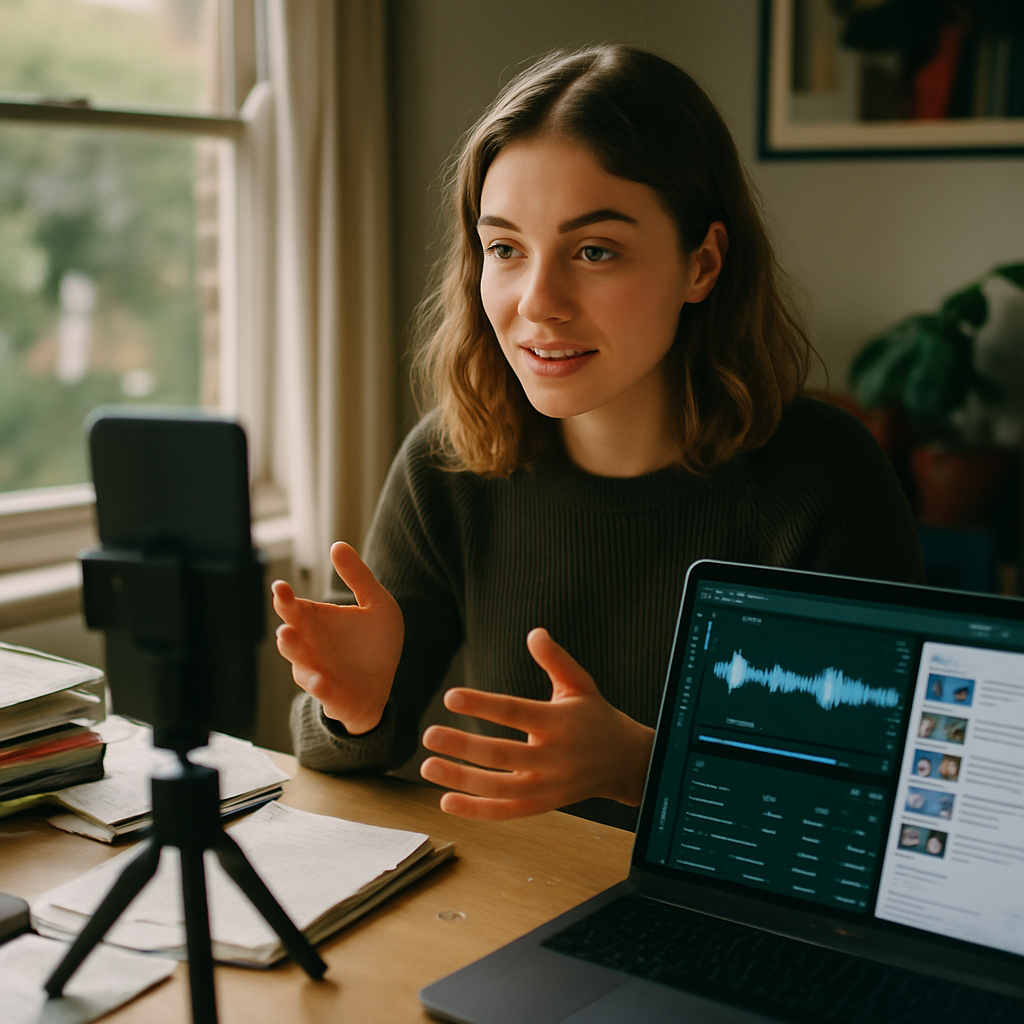
    Young woman filming herself for social media in a London flat, exploring AI and viral fame 2026
    Young woman filming herself for social media in a London flat, exploring AI and viral fame 2026

    How AI Is Already Shaping Who Goes Viral

    The mechanics of virality haven’t disappeared, they’ve just been automated. TikTok’s recommendation engine, YouTube’s algorithm, Instagram’s Explore feed: these systems have always made curatorial decisions that no individual human editor could replicate at scale. But in 2026, the influence goes much deeper.

    AI content tools now help ordinary people punch well above their weight. A teenager in Stoke-on-Trent with a decent story but no production budget can use AI to polish a video script, generate a thumbnail that triggers clicks, and post at the precise moment her target audience is most active. That’s genuinely democratising. There are real people finding real audiences because the barrier to entry has dropped to almost nothing.

    But then there’s the other side. Fully AI-generated influencers, virtual personas built from scratch, are accumulating followers in the hundreds of thousands. A synthetic presenter with a flawless face and a perfectly calibrated personality optimised for engagement is, technically speaking, going viral. Whether that constitutes fame is a philosophical argument worth having at the pub.

    The Deepfake Problem: Fame You Didn’t Ask For

    For real people, the darker element of AI and viral fame 2026 isn’t being upstaged by a robot. It’s being used by one without your consent. Deepfake technology has become frighteningly accessible. A face can be transplanted, a voice cloned, a person inserted into footage they were never part of. The result is a kind of fame that is violating rather than validating.

    This isn’t hypothetical. The BBC has reported extensively on cases where individuals, particularly women, have had their likenesses used in fabricated content that then spread rapidly across social media. The platform profits. The algorithm rewards it. The person it depicts is left dealing with consequences they had no part in creating. That’s not 15 minutes of fame. It’s 15 minutes of something far worse.

    The Online Safety Act places obligations on platforms operating in the UK, and Ofcom has been increasingly active in pushing for enforcement. But legislation moves slower than technology, and the gap between what the law can address today and what AI can generate tomorrow remains uncomfortable.
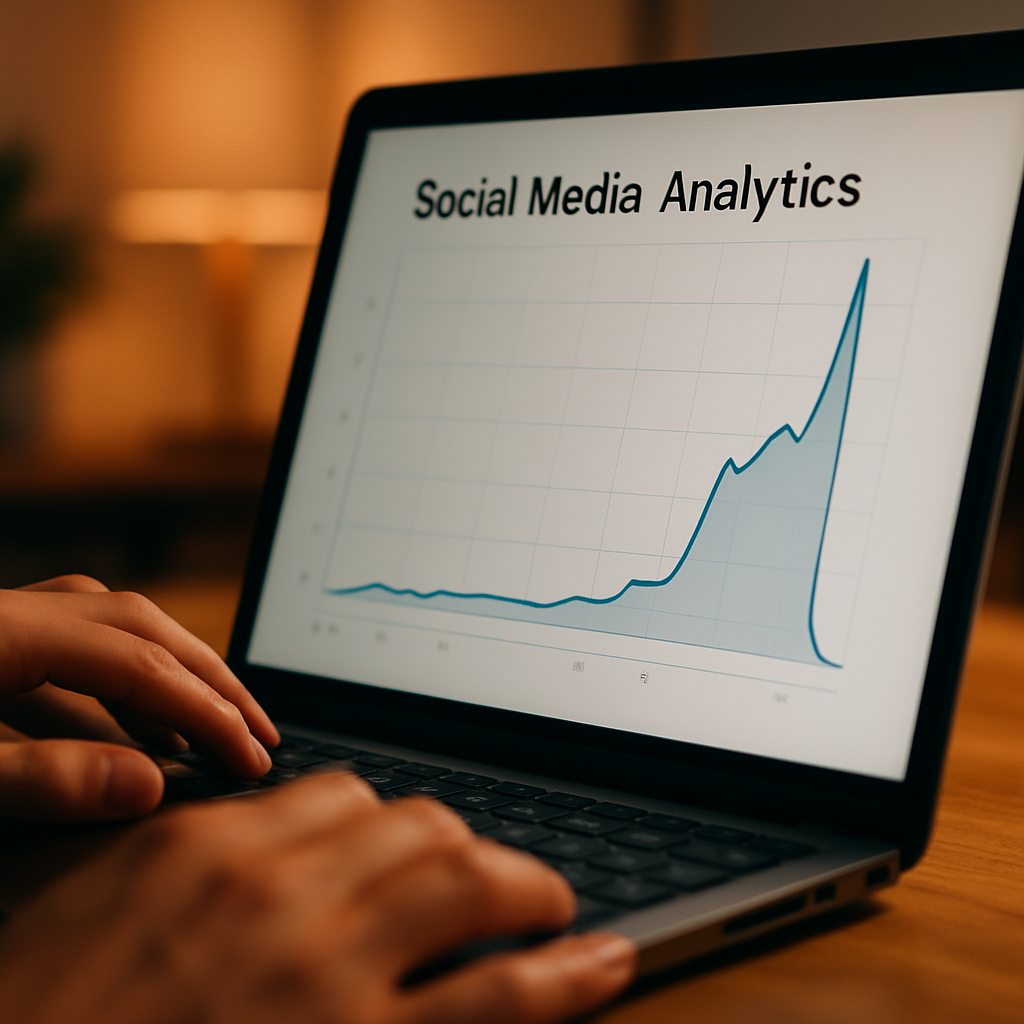
    Laptop screen showing viral content analytics spike, illustrating AI and viral fame 2026 trends
    Laptop screen showing viral content analytics spike, illustrating AI and viral fame 2026 trends

    Does Manufactured Fame Feel Real to Anyone?

    Here’s where things get genuinely interesting. There’s a chunk of research suggesting that audiences are remarkably good at sensing inauthenticity, even when they can’t articulate exactly what’s wrong. A comment section might praise a creator’s content whilst something nags at people just below the surface.

    Brands have started commissioning AI-generated spokespeople for campaigns, figuring that an artificial face carries none of the reputational risk of a real one. Some of those campaigns have done well. But the ones that cut through, the ones that people actually share and remember, almost always involve a real person with a real stake in what they’re saying. The mess of being human is, paradoxically, what makes something worth watching.

    Consider the micro-influencer space. A gardener in Shrewsbury who documents her allotment through the seasons, with muddy hands and genuine enthusiasm, routinely outperforms polished AI-assisted accounts in terms of genuine engagement. Her comment section is active. People ask her questions. They send her seeds. That exchange, that recognition between real people, is precisely what AI cannot fabricate, however sophisticated its output becomes.

    The New Gatekeepers: Algorithms as Editors

    One underappreciated aspect of AI and viral fame 2026 is that the gatekeeping function hasn’t gone away, it’s just moved. Editors, commissioners, and TV producers used to decide whose story got told. Now an algorithm does. And unlike a human editor who might champion an unusual voice precisely because it’s unusual, an algorithm optimises for engagement signals that already exist in its training data.

    That has a homogenising effect. The formats that go viral tend to be the formats that have gone viral before. A person with a genuinely original story might get buried because they’re not packaging it in a way the algorithm recognises. The tools are more democratic in theory; in practice, they still reward conformity.

    This is worth keeping in mind if you’re one of the many people actively trying to build an audience. AI tools can help you produce better content faster. But leaning on them so heavily that your output loses all specificity is a trap. The algorithm might surface you briefly. It won’t make people stay.

    What This Means for People Who Actually Want Recognition

    The honest answer is that AI changes the game without fundamentally changing what wins it. Authenticity still cuts through. A specific, lived perspective still holds attention in ways that generated content doesn’t. What AI does is raise the floor: production quality that would once have required a professional team is now achievable by almost anyone with a decent mobile and a free tool.

    The opportunity, particularly for people who’ve never had a platform, is real. A local community hero, a specialist with niche knowledge, a person with a story worth hearing: all of them now have access to tools that can help them reach an audience. The challenge is using those tools to amplify what’s genuinely there rather than as a substitute for it.

    Fame has always been a strange mirror. It shows people back to themselves in ways they didn’t expect, sometimes flattering, often disorienting. AI doesn’t change what fame is. It changes who controls the mirror and how easily it can be pointed at someone who never asked to be reflected. That’s worth paying attention to, whether you’re chasing the spotlight or simply living your life somewhere underneath it.

    Frequently Asked Questions

    Can AI tools actually help ordinary people go viral in 2026?

    Yes, AI tools can meaningfully lower the barrier to entry by improving video scripts, optimising posting times, and generating attention-grabbing thumbnails. However, they work best as amplifiers of genuine content rather than replacements for it; audiences tend to engage more deeply with authentic voices.

    What are deepfakes and why are they a problem for fame and recognition?

    Deepfakes are AI-generated videos or images that swap faces or clone voices, placing real people into fabricated scenarios without their consent. For private individuals, this can mean unwanted viral attention based on content they had no part in creating, with serious personal and legal consequences.

    Are AI-generated influencers and virtual personas popular in the UK?

    They’re growing in presence, particularly in brand marketing campaigns, though research consistently shows that UK audiences engage more meaningfully with real people. Virtual personas accumulate followers but tend to see lower comment-to-view ratios and less sustained community building.

    What UK laws protect people from being used in deepfake content?

    The Online Safety Act places duties on platforms to address harmful deepfake content, and Ofcom oversees enforcement in the UK. There is also growing pressure for specific deepfake legislation, particularly around non-consensual intimate imagery, though the legal framework is still catching up with the technology.

    Does going viral through AI-boosted content count as 'real' fame?

    That depends on what you mean by fame. If an AI tool helps you reach a genuine audience who connects with your real story, that recognition is entirely legitimate. If an AI fabricates a persona or manufactures content without a real person behind it, most audiences eventually sense the lack of something human at the centre.

  • The Psychology Behind Why We All Want to Be Famous (And What It Does to Us)

    The Psychology Behind Why We All Want to Be Famous (And What It Does to Us)

    Most of us will never admit it out loud. Not at the dinner table, not at work, probably not even to close friends. But somewhere behind the carefully curated Instagram grid or the YouTube video you uploaded once “just to see what happens” is a quiet, persistent wish to be seen. To matter. To be known. The psychology of wanting to be famous is not some shallow modern affliction cooked up by social media. It runs far deeper than that, and understanding it might be one of the more honest things you do this year.

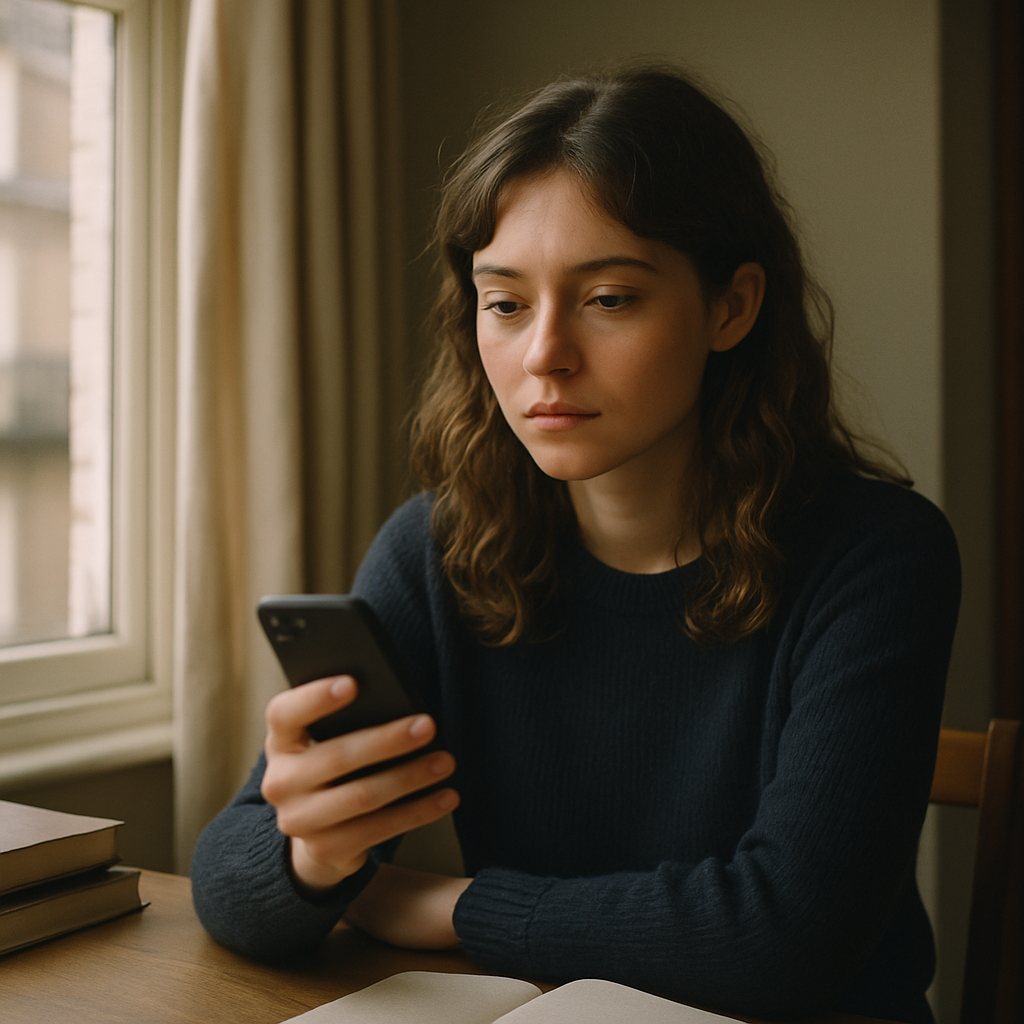
    Young woman reflecting on her phone in a London flat, illustrating the psychology of wanting to be famous
    Young woman reflecting on her phone in a London flat, illustrating the psychology of wanting to be famous

    Why Social Recognition Is Wired Into the Human Brain

    Long before TikTok existed, long before television, humans were deeply tribal creatures who depended on being recognised within their group for their very survival. Reputation meant resources. Status meant safety. Being acknowledged by the people around you was not vanity, it was a biological advantage. Our brains evolved to crave that acknowledgement, and the neural reward circuits that light up when we receive social recognition are the same ones activated by food, warmth, and physical comfort.

    Neuroscientists have shown that social approval triggers a release of dopamine, the same neurotransmitter involved in pleasurable experiences of all kinds. A notification that your post has gone viral is not meaningfully different, chemically speaking, from winning a small prize. Your brain does not distinguish between “real” social approval and digital applause. Both count. Both feel good. And both make you want more.

    Psychologist Abraham Maslow placed “esteem” near the top of his famous hierarchy of needs, the need to be respected, to achieve, to have status in the eyes of others. Fame, in its many modern forms, is essentially an extreme version of that need being met on a massive scale. The drive is not peculiar or embarrassing. It is very, very human.

    What Modern Fame Culture Has Changed

    What has shifted, dramatically, is the accessibility of the pursuit. A generation ago, becoming known beyond your immediate community required a specific kind of luck: catching the eye of a TV producer, being in the right place, or having a skill so extraordinary it could not be ignored. Now, anyone with a mobile and a halfway decent idea can build an audience.

    Research by the University of Leicester found that fame had overtaken other traditional aspirations amongst young British people as early as 2010, well before the current wave of content creation. That trend has only accelerated. Ofcom’s 2025 Online Nation report noted that over 60% of UK teenagers regularly consume content made by independent creators, and a significant proportion said they aspired to create content professionally themselves.

    The platforms have democratised opportunity whilst simultaneously intensifying the psychological stakes. When the barrier to entry is low, the competition is enormous. And when millions of people are competing for the same finite pool of attention, the gap between those who “make it” and those who don’t becomes a constant, visible reminder of perceived failure.

    Brain scan highlighting reward pathways relevant to the psychology of wanting to be famous
    Brain scan highlighting reward pathways relevant to the psychology of wanting to be famous

    The Mental Health Implications of Chasing Clout

    Here is where the psychology of wanting to be famous gets genuinely complicated. The desire itself is neutral. The pursuit is where it can start to cause damage.

    Clinical psychologists have identified a pattern sometimes called “contingent self-worth”, where a person’s sense of value depends entirely on external validation rather than internal confidence. When your self-esteem is pegged to likes, shares, follower counts, and public recognition, every metric becomes a referendum on your worth as a person. A post that underperforms does not just disappoint you; it threatens you, at some deeper level.

    The NHS has reported significant increases in anxiety and depression amongst young people who heavily use social platforms in comparison mode, constantly measuring their own progress against the curated highlight reels of others. Fame-seeking, when it tips into obsession, feeds directly into this loop. You post. You check. You wait. You compare. You spiral.

    There is also the phenomenon researchers call the “arrival fallacy”, the mistaken belief that achieving a goal will produce lasting happiness. People who do achieve viral fame often describe a brief, euphoric high followed by a surprisingly rapid return to baseline. Some experience something closer to anxiety: the pressure to maintain it, the fear of being forgotten, the exhaustion of performing a persona continuously. As we have explored previously on this blog in The Dark Side of Overnight Fame, the internet moves on quickly, and that transition can be brutal if your entire identity is built around public attention.

    Fame-Seeking vs Recognition-Seeking: An Important Distinction

    Not all desire to be seen is the same thing, and it is worth drawing a line here. Psychologists broadly separate two motivations for seeking public attention. The first is intrinsic recognition, wanting to share work you are proud of, connect with people who care about similar things, or contribute something meaningful to a community. The second is extrinsic validation, needing external approval to feel adequate, seeking numbers and metrics as proof of personal worth.

    The former is genuinely healthy. Sharing your skills, your perspective, your creativity with the world and having people respond, that is one of the more fulfilling experiences available to us. Craftspeople on Etsy who build small audiences around their work. Local musicians sharing sessions on YouTube. Writers posting essays that resonate with strangers. These are forms of recognition-seeking that tend to produce sustained wellbeing, not just temporary dopamine hits.

    The latter, when unchecked, can quietly erode a person’s sense of self. The BBC Health section has covered extensively how social comparison behaviours on platforms are linked to increased rates of anxiety in both teenagers and adults. The mechanism is straightforward: when fame is the goal rather than genuine connection or expression, every setback feels existential.

    How to Pursue Recognition in a Healthy Way

    If you have ever uploaded a video, written something publicly, or quietly fantasised about being known for something, you are in extremely good company. The psychology of wanting to be famous does not make you shallow. It makes you a social creature with a working nervous system. What matters is what you do with that impulse.

    A few grounded principles worth sitting with:

    • Start with craft, not clout. The people who build genuinely lasting recognition tend to focus obsessively on getting better at something rather than on growing an audience. The audience follows quality, eventually.
    • Define what recognition actually means to you. Five hundred people who genuinely care about your work is worth infinitely more, psychologically speaking, than fifty thousand passive followers who barely clock your name.
    • Build identity outside the metrics. Your worth as a person cannot be a function of a follower count. Maintain friendships, interests, and a sense of self that exist entirely independently of any platform.
    • Notice the comparison trap early. If you find yourself checking rivals’ numbers more than focusing on your own work, that is a reliable signal that something has shifted from healthy expression into anxious competition.
    • Celebrate the small audience moments. One genuine message from someone who found your work useful or moving is the whole point. That is real connection. That is what the brain is actually looking for beneath all the noise.

    Wanting to be seen is not a character flaw. It is, in many ways, what makes us reach further, create more boldly, and connect with strangers across enormous distances. The trick is learning to want it on your own terms, rather than letting the wanting run the show entirely.

    Fame has always been complicated. Andy Warhol was right that everyone gets their fifteen minutes. What he did not mention is that how you feel about it when it arrives depends almost entirely on why you were chasing it in the first place.

    Frequently Asked Questions

    Is it normal to want to be famous?

    Completely normal. The desire for social recognition is a fundamental part of human psychology, rooted in our evolutionary history as tribal creatures who depended on status and reputation for survival. Most people experience some version of this drive, whether they act on it or not.

    What does psychology say about people who want to be famous?

    The psychology of wanting to be famous distinguishes between healthy recognition-seeking (sharing work, connecting with others, building community) and unhealthy fame-chasing driven by contingent self-worth. The key factor is whether your sense of personal value depends on external approval, or exists independently of it.

    Can chasing fame damage your mental health?

    It can, particularly when fame-seeking becomes tied to self-worth. Psychologists link heavy social comparison behaviours and audience-obsession to increased anxiety and depression. The NHS has documented rising rates of social-media-related mental health issues, especially amongst young people in the UK.

    Why do so many young people in the UK want to be content creators?

    Ofcom research has consistently shown that independent content creation is one of the top career aspirations for British teenagers. The accessibility of platforms, the visibility of successful creators, and the cultural normalisation of personal branding have all contributed. It reflects both genuine creative ambition and the broader psychology of wanting to be famous in a digital age.

    How can I pursue recognition without it becoming unhealthy?

    Focus on craft and genuine connection rather than metrics. Keep your sense of identity rooted in relationships and interests that exist outside any platform. Setting process-based goals (creating consistently, improving a skill) rather than outcome-based ones (hitting a follower target) tends to produce better mental health outcomes as well as more sustainable growth.

  • Hello world!

    We have owned this domain for many years, and have pondered about what to do with it. Initially we wanted to make a Digg style website where you could vote for things and people would get pinned to the top for 15 mins. This sounded fun, but we scrapped the idea due to technical complexitioes.

    So, we decided to launch this as a review website, with a difference. We dont mind if you are a actor, a business owner, a charity worker – if you feel you are worth shouting about, or you feel someone you know is -then get in touch and get your (or their) 15 Minutes of Fame!

    Thanks for reading, we hope you like our content.