

Can you film a famous B-road without becoming part of the problem? Yes, but only if you treat the road as someone’s daily commute first and your content second. Filming scenic B-roads has turned a handful of obscure stretches of Peak District, Welsh and Scottish tarmac into minor celebrities, and the people who live along them have noticed.
The pattern is familiar. A driver or rider posts a well-shot run along a twisty hill pass. The clip finds an audience, other people copy it, and within a season a road that carried farm traffic and the school bus is a pilgrimage route. The Snake Pass and the Cat and Fiddle in the Peak District, and the Bealach na Bà in Scotland, are well-known examples of roads that have long drawn enthusiasts. Social media has simply widened the audience.
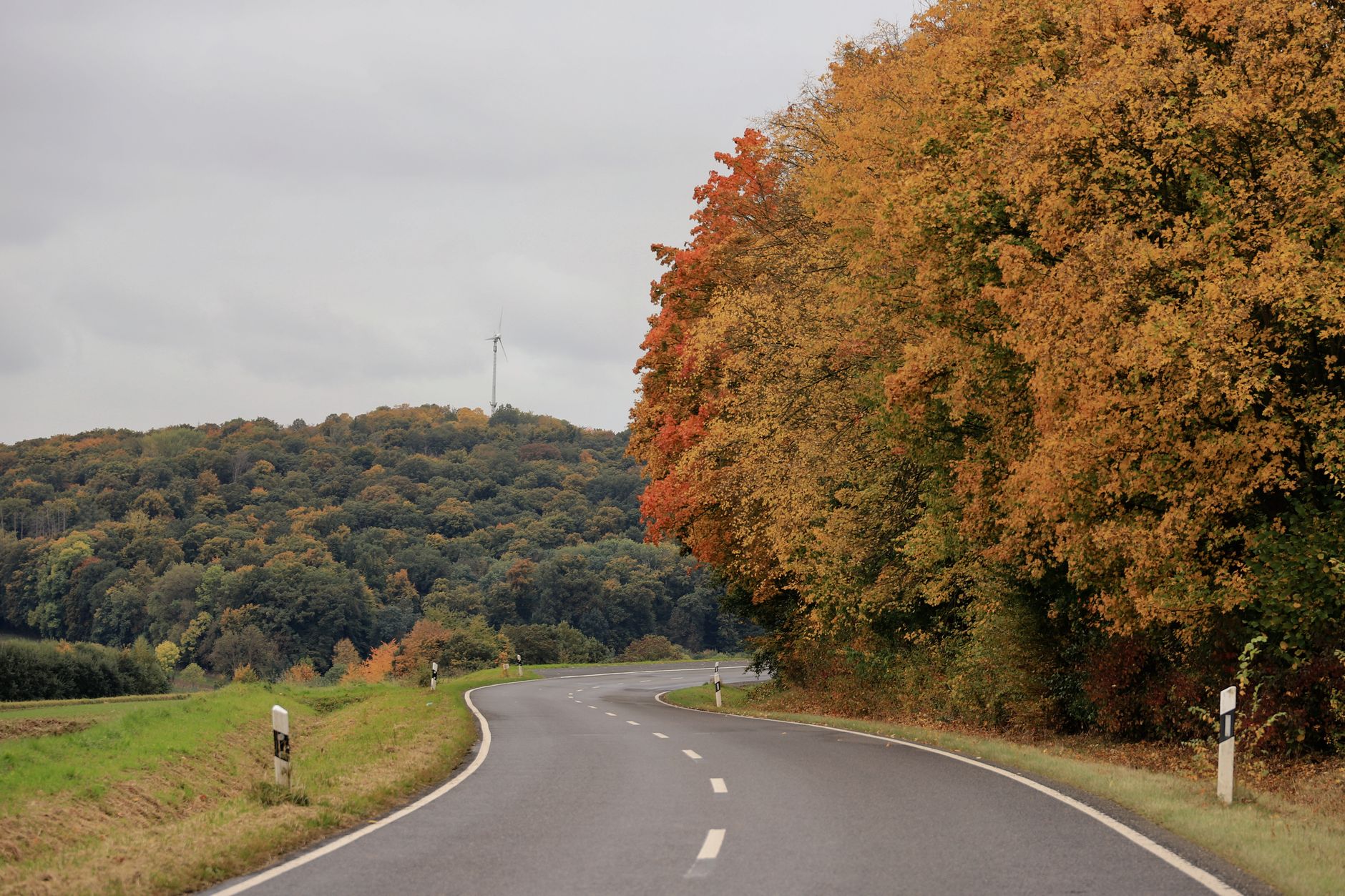
What does the sudden traffic do to locals?
Sudden popularity changes a road in ways that rarely show up in a video. Residents report the same complaints in local press and parish meetings: noise at weekends, fast overtakes on blind bends, cars stopping in passing places, and farm vehicles stuck behind a queue of people looking for the perfect shot. Peak District roads have long had speed and noise campaigns, with police and local authorities running enforcement operations on popular routes.
Passing places are the clearest flashpoint. On single-track roads in Wales and the Highlands they exist so traffic can pass, not so you can park and film a drone shot. A blocked one can strand an ambulance, a postie or a tractor.
How to film scenic B-roads responsibly: step by step
If you want to share a great road, this is the order I would work in.
- Plan for quiet hours. Go on a weekday or early morning. Fewer people on the road means fewer conflicts and a better video. Weekend afternoons are when residents feel the strain most.
- Drive or ride the legal speed, always. Footage of speeding is evidence, and police can and do use public videos. The limit also makes a better film, because viewers can see the scenery.
- Keep the camera out of your hands. Use a secure mount and set it up before you move off. Holding a phone while driving is an offence, and fiddling with a camera is distracting on a road with sheep and sudden bends.
- Stop only where it is safe and legal. Use proper lay-bys and car parks, never passing places, gateways or verges. Farmers need those gateways, and verges are often someone’s livelihood.
- Fly drones by the rules. Follow the Civil Aviation Authority’s drone code, keep the drone in sight, and check for restrictions in national parks and near wildlife. Landowners and park authorities can have their own rules about take-off and landing.
- Leave out the exact location if the road is fragile. A general area is fine for a quiet lane. Pinning every bend can send a flood of visitors to a place with no parking and no passing room.
- Say something useful in the caption. A line asking viewers to respect speed limits and passing places does more good than you might expect, and it signals the kind of audience you want.
The reasoning behind most of these is simple: the road’s popularity is a shared resource, and the people who live there already pay the cost.
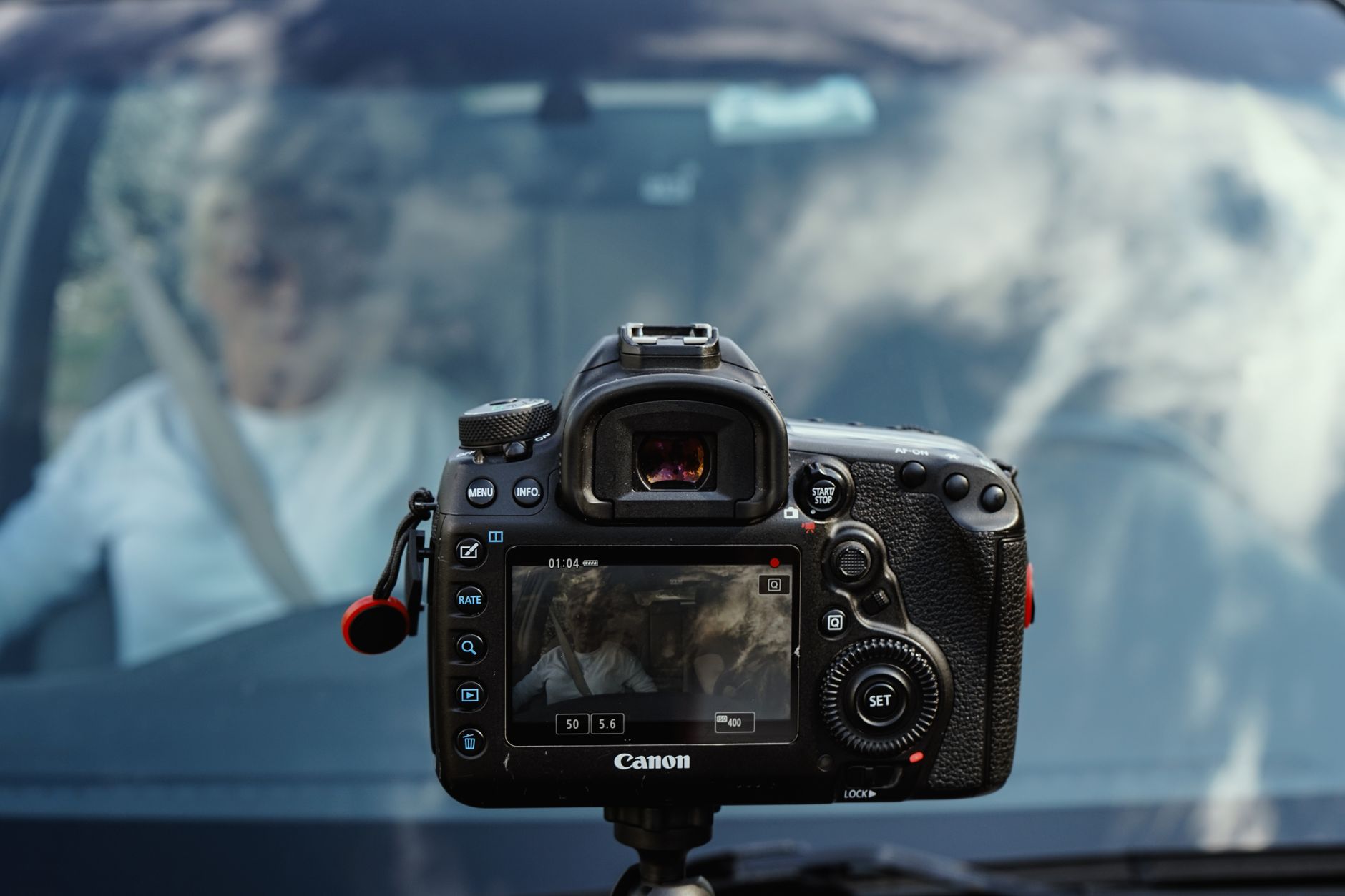
Why do some roads blow up and others do not?
Route apps play a part. Once a road appears in clips and in routing suggestions, it keeps getting rediscovered. If you want to understand how navigation tools are starting to prefer interesting roads over the fastest ones, there is more on how satnavs are learning to pick the fun way home. It explains why a quiet lane can suddenly be recommended to thousands of drivers who would never have found it on a paper map.
That matters for creators too. A video does not only reach people who watch it. It can feed the same places into other tools, so one popular clip can have a long tail of traffic well after you have moved on to the next road.
What can you do if you live on a road that has gone viral?
If you live on one, there are routes beyond complaining. Your parish or community council can raise concerns with the highway authority, which is usually the county or unitary council. In national parks, the park authority often works with police on speed and noise. Report dangerous driving to the police, and use the non-emergency number for ongoing issues rather than 999. Councils can consider measures such as lower speed limits, signage, average speed cameras and passing place improvements, though these take time and funding.
It also helps to be specific. Dates, times and photographs of blocked passing places give a council something to act on. A general sense that it is getting worse is hard to turn into a decision.
What do the best road creators do differently?
The ones I would follow tend to share three habits. They film at sensible speeds, they credit the area rather than treating it as a backdrop, and they put visitors’ spending somewhere useful, such as the village café or pub, instead of just driving through. Those habits are the difference between a road that welcomes its audience and one that starts fitting signs.
If you are heading out this winter, remember that autumn and winter bring leaf mulch, early frost and ice on high passes. Check the local council’s winter road information and the Met Office forecast before you set off, and be ready to turn round if a road looks unsafe.
Before your next trip, pick one road, look up who looks after it, and read what the local community has said about visitors. Then plan your filming around that.
Frequently Asked Questions
Is it legal to film while driving in the UK?
Using a handheld phone or camera while driving is an offence. A securely mounted camera that you do not touch while moving is the safer approach. You can still be stopped for careless driving if the equipment distracts you.
Can police use my online driving videos as evidence?
Yes. Footage posted publicly, or sent to police by other road users, can be used to investigate speeding or dangerous driving. Many forces accept video submissions from the public, so assume anything you upload could be seen by them.
Can I fly a drone over a B-road in a national park?
You must follow the Civil Aviation Authority’s rules, including keeping the drone in sight and staying clear of people and vehicles. National park authorities and landowners may add their own restrictions on take-off and landing, so check locally before you fly.

Leave a Reply