

More UK hillwalkers now post their routes as they go, from Lake District fells to Snowdonia ridges and Scottish Munros, and a few of those posts have ended up capturing real trouble: a rescue in progress, a close call on a ridge, or a gear mistake that sets off a national row about preparedness. If you walk and post, you are now part of that conversation. This guide explains how to share a hill walk safely, and what to do when the hill turns serious.
The short version: your phone is a safety tool first and a content tool second. Plan, tell someone, keep battery for the 999 call, and think hard before you publish anyone else’s bad day.
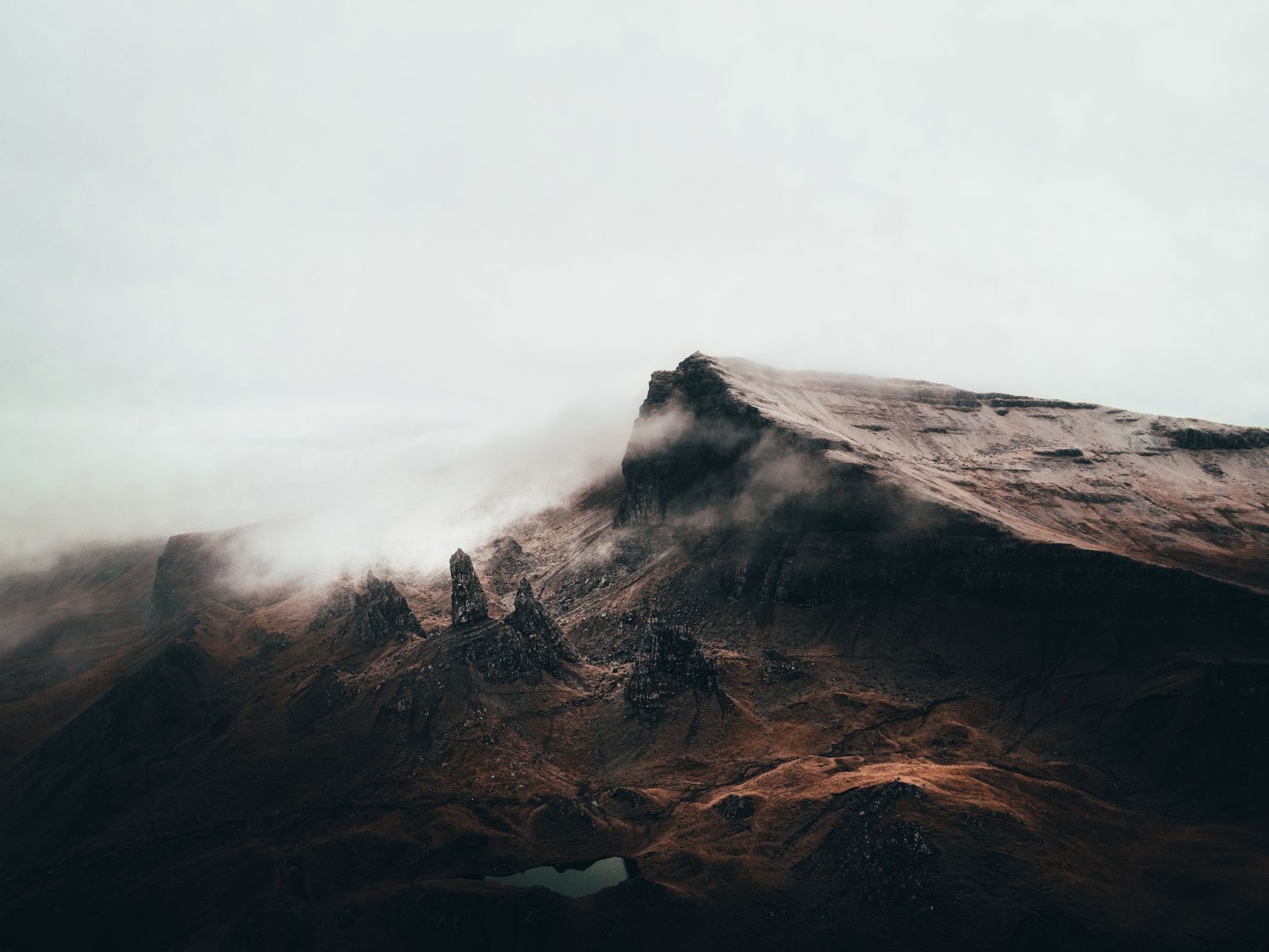
Why live posting from the hills has become a talking point
Good mobile signal on popular summits, cheap action cameras and live-sharing apps mean a walker can broadcast a whole day on the hill. Most of it is harmless: cloud inversions, soggy sandwiches, a summit selfie. The trouble comes when a post shows someone in difficulty, or a walker in trainers on a winter ridge. Comment sections then split between those who say it is useful education and those who say it is public shaming.
Mountain rescue teams in England, Wales and Scotland are volunteer-run charities, and they have long asked walkers to prepare properly rather than blame people after the event. If you want the people behind those teams, I covered them in our piece on the mountain rescue fundraisers who became trusted faces in their valleys.
How do you share a hill walk safely? Seven steps
You share a hill walk safely by planning first, telling a real person your route, protecting your battery and signal, and posting after the fact where you can. Here is the order I would follow.
- Check the forecast and conditions the night before. The Met Office mountain forecasts cover the main upland areas, and Mountaineering Scotland and the Mountain Weather Information Service publish winter-specific guidance. Cloud base, wind and freezing level matter more than the headline temperature in the valley.
- Write a route plan and leave it with a person, not a platform. Include start point, route, expected finish and the time you will raise the alarm. A public post is not a substitute, because nobody is obliged to see it or act on it.
- Carry the basics in your pack. Map and compass you can actually use, a head torch with spare batteries, warm layers, waterproofs, food, water and a whistle. Phone batteries drain fast in the cold, so a small power bank is sensible.
- Keep your battery for emergencies. Put the phone in low-power mode, and film in short bursts. If you need to call for help, you want charge left.
- Know how to call for help. In the UK, dial 999 and ask for Police, then Mountain Rescue. If there is no signal, try 112, which can connect through another network, and consider registering for emergencySMS with the emergency services in advance. Give a grid reference or what3words location if you can.
- Delay location tags. Posting your exact position live tells strangers where you are and, on busy hills, can draw crowds to a scene. Post the route afterwards, or share the live link only with people you trust.
- Stop filming when it goes wrong. If you or someone near you is in trouble, put the phone down and deal with it. Footage can wait. A casualty cannot.

What does Mountaineering Scotland and mountain rescue guidance actually say?
The consistent message from Mountaineering Scotland and the rescue teams is to be prepared, be realistic and ask for help early. They do not say you must stay off the hills, and they do not charge for rescues: UK mountain rescue is free at the point of use. They would rather you called with a problem than waited until it became a crisis. Visit Mountaineering Scotland for current advice on winter skills, planning and the Scottish hills.
The ethics of posting danger
Posting a rescue raises a few clear questions. Did the person in trouble consent to being filmed? Could the clip identify them to family before the family has been told? Does it show a rescue team member in a way that could cause problems for the team? Teams generally ask that casualties are not identified publicly and that nobody interferes with a rescue for the sake of a shot.
There is also the question of tone. A caption such as "idiots on the ridge" teaches nobody anything, and it often turns out the group was experienced and simply unlucky. If you want a post to start a useful conversation, describe what went wrong in general terms and what you would do differently, rather than pointing at strangers.
My view: if you are the one who got into difficulty, sharing your story afterwards, with what you learnt, is among the most useful content on the hills. If you are a bystander, share the lesson and leave out the faces.
If your post takes off
A post can travel quickly, and not always kindly. Switch off location details on the original, read the comments before replying, and consider pinning a short note pointing people to the Mountain Rescue England and Wales or Mountaineering Scotland advice. If your post involved a rescue, a donation link to the local team is a better call to action than an argument.
Similar disputes about who owns the story of the countryside crop up elsewhere, as in the case of the ramblers who mapped a footpath dispute. And if you are new to the sort of walker who posts as they go, the 0lly link is not a hill guide, but it is a reminder of how many local stories get shared online by people who never planned to become public figures.
Before your next walk, write your route card, send it to one person and set the time you want them to worry. Then enjoy the view, and post it when you are back down.


Leave a Reply