

After every serious flood, a handful of residents in Yorkshire, Somerset and the Welsh valleys end up on the local news, the radio and the community Facebook group, not as victims but as the person who knew what was happening. Volunteer flood wardens UK communities have trained over the years are becoming trusted voices, and I’d argue that is the best thing to come out of the flooding story in a generation, provided we are honest about what it asks of them.
A flood warden is a local volunteer who acts as a link between neighbours and the authorities. The role is usually coordinated through community flood groups, often with support from the Environment Agency, Natural Resources Wales and local councils. Wardens pass on warnings, check on vulnerable neighbours and tell the professionals what the water is actually doing on their street.
Why do flood wardens become trusted local voices?
Flood wardens become trusted because they are present before, during and after the water arrives, and because they live there. A press officer in a regional office can issue a warning. A neighbour who has walked the river bank for years, and who knocked on your door last time, is believed.
That trust is built in dull moments. Wardens learn where the culvert blocks, which lane goes under first and which residents cannot get out of bed without help. In places such as the Somerset Levels, the Calder Valley in West Yorkshire and the South Wales valleys, repeated flooding has made this knowledge a kind of local currency. When the next event comes, people look for the familiar face.
How do they end up on the national stage?
The route is usually a camera and a microphone arriving where the water is worst. A reporter needs someone who can explain, calmly and in plain English, what is going on. The warden in a hi-vis jacket, standing at the edge of a flooded car park, fits perfectly.
Some then carry on. They are asked back to talk about recovery, insurance, planning or river management. A few become regulars on local radio. The pattern is much the same as the one we have seen with mountain rescue volunteers and RNLI crews: people doing unpaid, risky work become credible simply because nobody suspects them of selling anything.
What these volunteers do that officials cannot
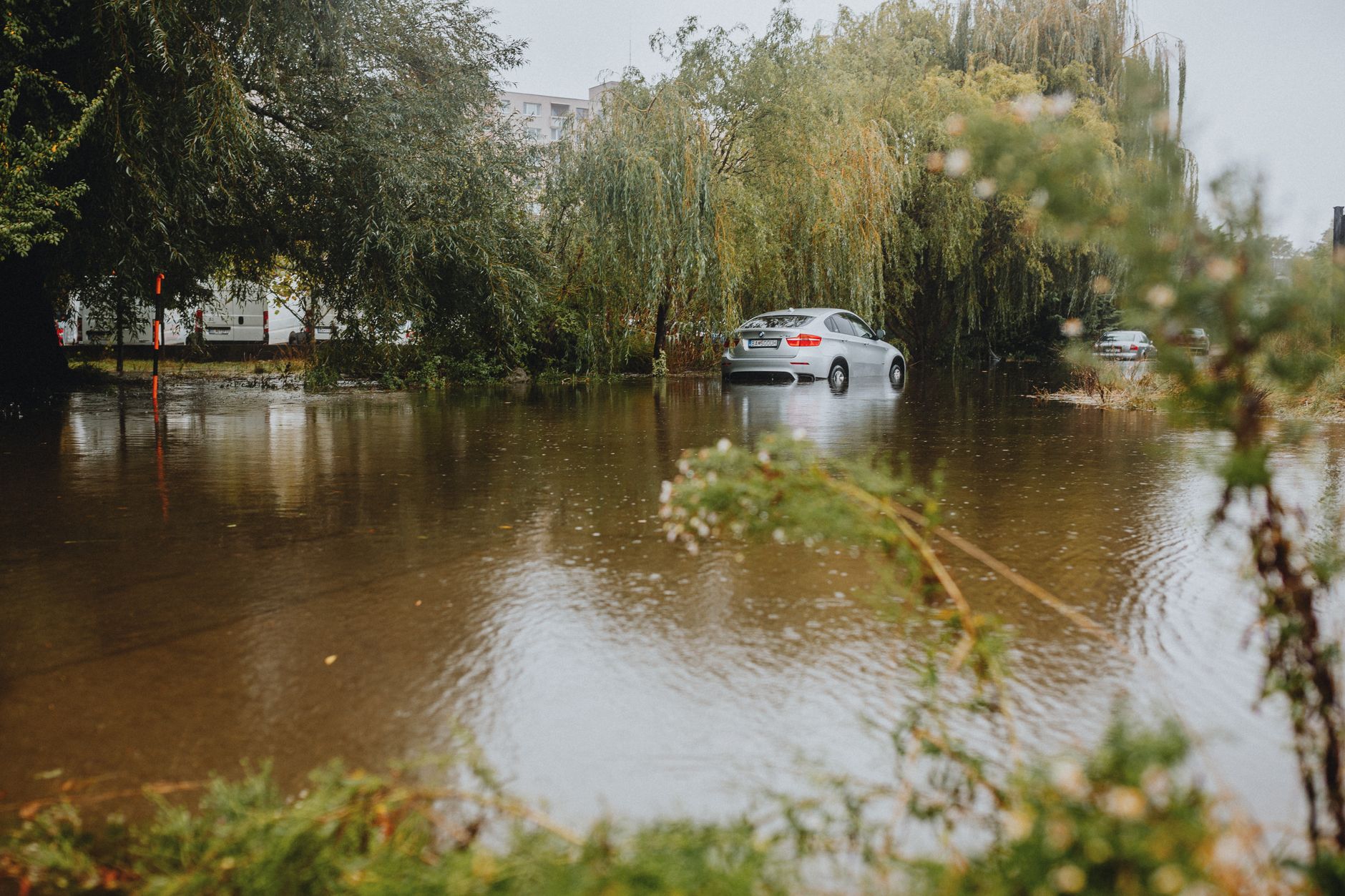
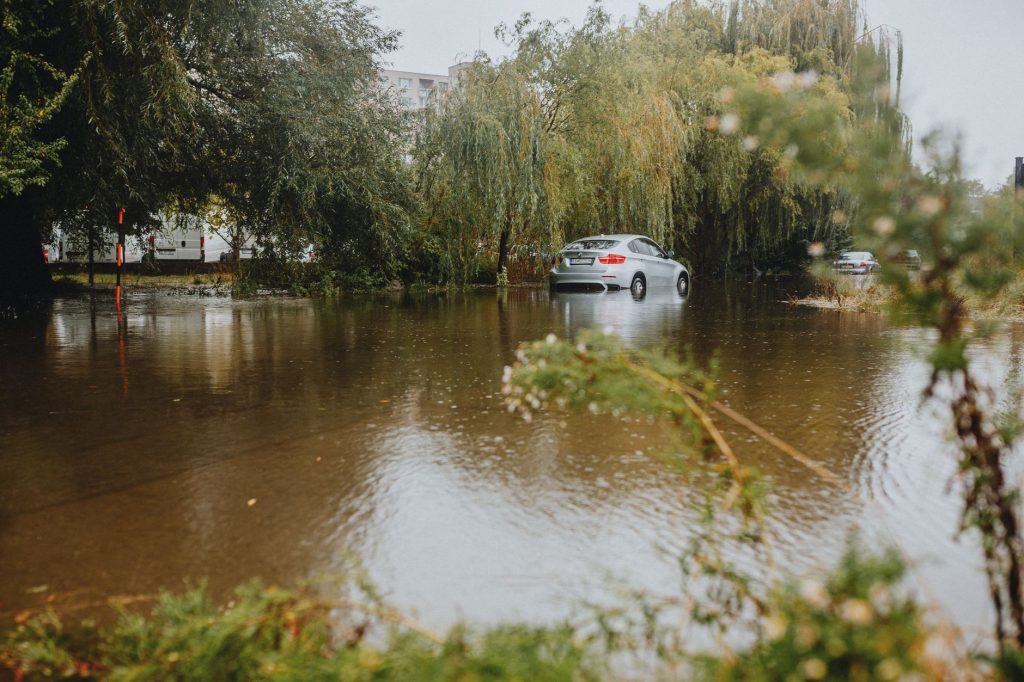
Wardens fill a gap in speed and specificity. National warning systems work at the scale of rivers and catchments. A warden works at the scale of a single terrace. They can say that the water is already at the bottom of the lane, and that is the sentence that makes someone move their car.
They also tell the story afterwards. Residents who feel ignored by distant agencies often listen to a neighbour first, and that makes wardens useful messengers for advice on flood kits, insurance and rebuilding. In my view, that is worth more than another leaflet.
The obvious objection: is this too much to ask of volunteers?
Yes, partly. The fair criticism is that a celebrated volunteer can become cover for a funding gap. If the public sees a heroic neighbour with a torch, it is easy to forget that flood defence, maintenance and dredging decisions belong to public bodies, and that those bodies are the ones who should be questioned.
There is also a human cost. Wardens are often flooded themselves. Being the local face of a disaster while your own ground floor is wrecked is a lot to carry, and sudden attention brings its own pressure, from praise to online abuse when a forecast goes wrong.
My answer is that the two things are not in conflict. We can admire the people and still hold the system to account. In fact the wardens are often the sharpest critics, because they see the gaps first. A good warden who becomes a public voice tends to use the platform to push for drains cleared, warnings improved and communities properly supported, not to collect applause.
What the rest of us should do
If you live in a flood-prone area, find out whether your community has a flood group and what it needs. The Environment Agency’s flood risk checker on GOV.UK will tell you your long-term risk in England, and the equivalent services cover Wales. Sign up for flood warnings, and learn your warden’s name before you need it.
If you are a journalist, producer or local official, treat wardens as partners, not props. Ask what they need, credit them properly and do not leave them to handle the fallout alone. Fame in this field should be the by-product of useful work, and it deserves to come with real support.
Frequently Asked Questions
What does a volunteer flood warden do?
A volunteer flood warden is a local resident who helps their community prepare for and respond to flooding. They pass on warnings, check on vulnerable neighbours and report local conditions to the authorities. Duties vary from one community flood group to another.
How do I become a flood warden in the UK?
Start by contacting your local council or, in England, the Environment Agency to ask whether a community flood group operates near you. Some areas run training for new volunteers. If there is no group, you can ask how to help set one up.
Are flood wardens paid?
Flood wardens are generally unpaid volunteers. They give their time to help neighbours and work alongside official bodies. Training and equipment support depend on the local group and the organisations backing it.
How can I check if my home is at risk of flooding?
You can use the long-term flood risk service on GOV.UK for England, and Natural Resources Wales provides similar information for Wales. Enter your postcode to see the risk from rivers, the sea and surface water. You can also sign up for flood warnings.
Leave a Reply