

Independent funeral directors UK-wide are doing something their trade rarely did a generation ago: talking in public, plainly, about what they actually do. Short videos, honest captions and open Q&As are reaching people who have never arranged a funeral and, for the most part, would rather not think about it. This affects anyone who will one day organise a farewell, which is nearly all of us.
I can’t give you a headcount of who is doing this, and I won’t pretend to. What is easy to see is the pattern in how small, family-run firms present themselves online, and why it lands. Here are six habits worth noticing.
1. They explain the practical bits nobody tells you
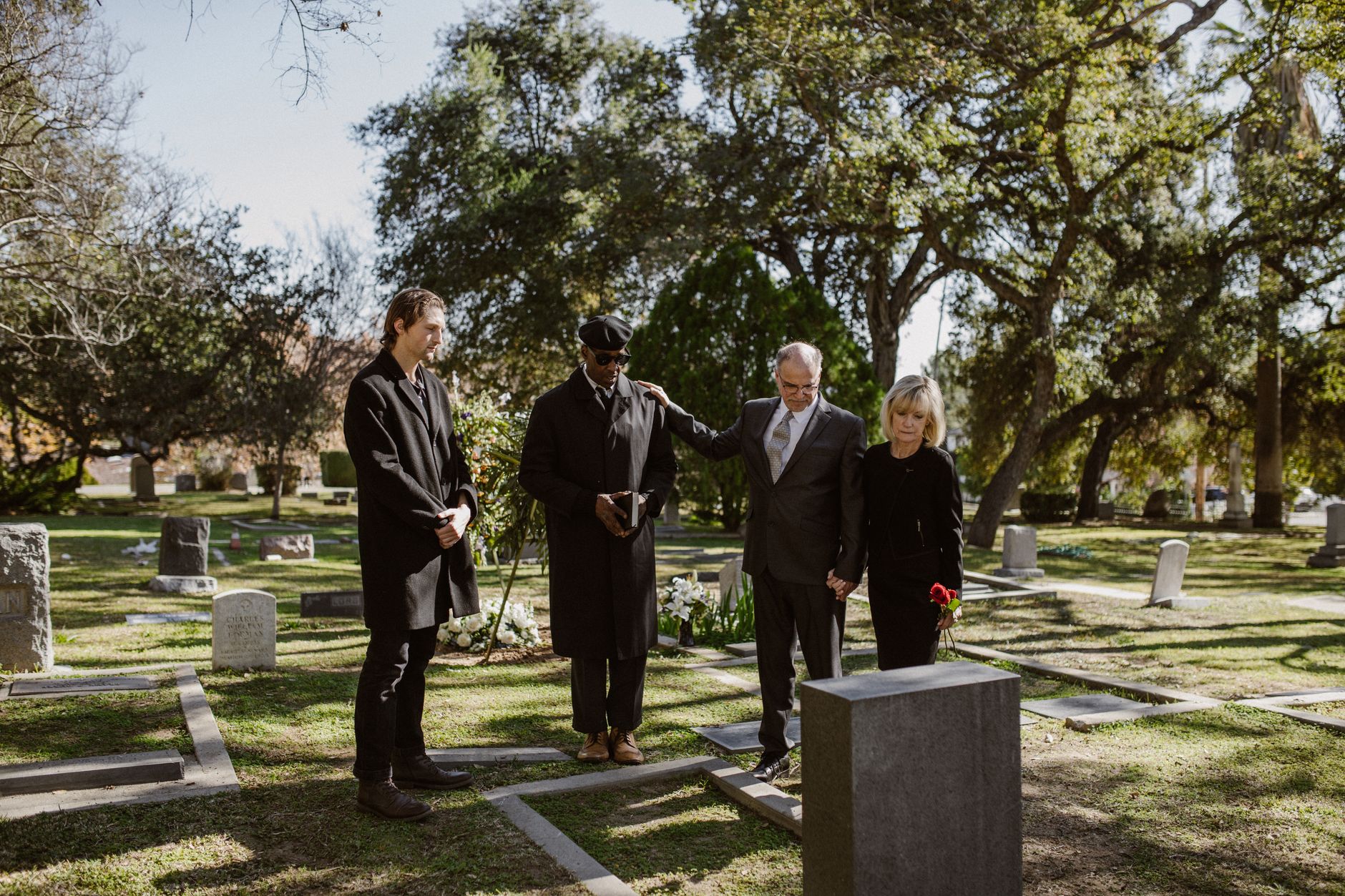
Most people meet a funeral director at their lowest point, knowing almost nothing. Independent firms increasingly fill that gap in advance: what happens after a death at home, what a funeral director collects and when, what a registrar does, and what the family can decide for themselves. In England and Wales a death must normally be registered, and the gov.uk page on what to do after a death sets out the steps. A good post turns that list into something calm and human.
2. They talk about money openly
Cost is the question people feel awkward asking. Since the Competition and Markets Authority’s funeral market order, which came into force in 2021, funeral directors must publish their prices clearly, including on their websites. Independents who go further, with a plain explanation of what a simple funeral includes and what is optional, tend to earn trust quickly. Say a family wants a modest service with no limousines: a director who explains that choice without a hint of judgement has done more good than any advert.
3. They show the ordinary working day
The fear around death is often a fear of the unknown. Posts about polishing the hearse, tidying the chapel of rest, taking a phone call at 3am or making tea for a bereaved family make the job look like what it is: careful, practical care work. The tone is rarely gloomy. Many of these directors are warm, dry and quietly funny, and that surprises viewers.
4. They make room for personal funerals
Independents often point out that a funeral does not have to follow a template. Favourite music, a coffin made from willow or cardboard, a burial in a woodland site, a service in a pub function room or a garden: all of these are possible, and a post showing one gently normalises the idea. Younger audiences, in particular, respond to the notion that a farewell can reflect a person rather than a script.
5. They treat children and grief seriously
Some of the most shared content is simple guidance on talking to children about a death, or on what to say to a grieving friend. The advice tends to be the same: be direct, avoid euphemisms like ‘gone to sleep’, and don’t vanish because you feel awkward. For longer support, the NHS has pages on grief and bereavement, and charities such as Cruse Bereavement Support offer help too.
6. They encourage planning ahead
Death cafés, advice on writing down your wishes and nudges to tell your family what music you want have all moved from the margins to the mainstream feed. Independents are well placed to push this because they see the difference every week between families who knew what their relative wanted and families who were guessing.
Why are British audiences ready to talk about death now?
British audiences are more willing to discuss death than they were because the pandemic made bereavement a shared experience, social media rewards honesty over polish, and funeral pricing rules have made the industry less opaque. I’d add one more reason: the stiff upper lip has been tiring for a long time. People are relieved when someone finally says the quiet part out loud, kindly.
Why independents rather than the big chains?
Independent firms are usually led by a named person who will answer the phone, and that suits personal, camera-light content. A small team can post without a marketing department signing off every line, which is why the tone feels real. That said, size doesn’t guarantee quality, so ask for a written price list and take your time whoever you choose.
What to do if this strikes a chord
You don’t need to wait for a bereavement. Look up the funeral directors near you, read their published prices, and have one ordinary conversation with a family member about what you would each want. Write it down somewhere your family can find it. It takes ten minutes and spares someone a great deal of guesswork later.
If you enjoy stories of people whose everyday work is quietly finding an audience, our piece on the librarians staging a quiet revolution makes a good companion read.



Leave a Reply